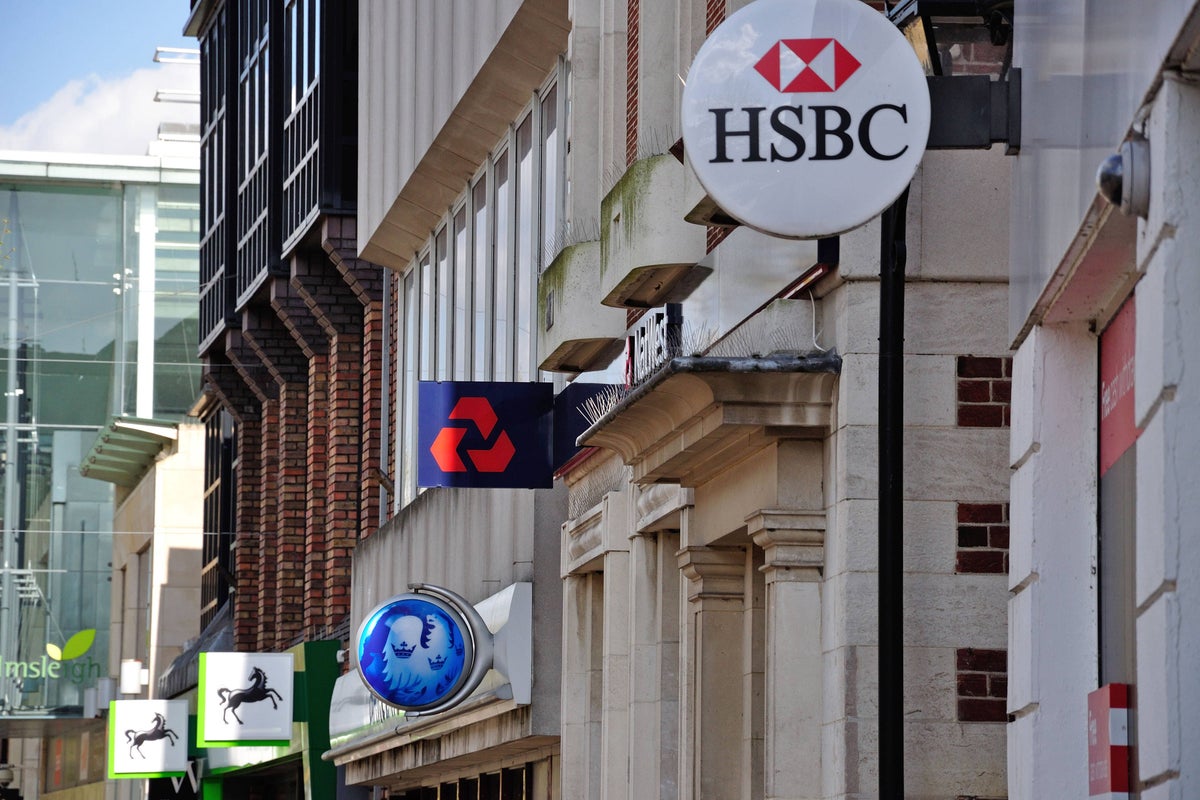
Shares in major British lenders declined on Friday morning following reports that Chancellor John Healey is considering a tax increase for the banking sector in the upcoming October 28 Budget. Lloyds Banking Group and NatWest both saw share prices drop by 2% during morning trading on October 16, 2026, while Barclays also recorded a decline. The reported proposal involves raising the surcharge that banks pay on their profits to generate revenue as the government manages high borrowing costs.
The speculation centers on a potential reversal of a previous policy enacted by former Chancellor Jeremy Hunt, which reduced the bank profit surcharge from 8% to 3%. According to a report in the Guardian, the Treasury is reviewing this measure as a means to address a fiscal buffer that the Institute for Public Policy Research (IPPR) estimates has decreased by up to £15 billion since the spring. The Chancellor has characterized the upcoming fiscal event as a "tough Budget" necessitated by inflation linked to international conflict.
Proponents of the tax hike, including the Trades Union Congress (TUC), argue that the current 3% surcharge rate has resulted in a £6 billion loss in potential Treasury revenue. TUC General Secretary Paul Nowak stated that the "big four" banks are generating approximately £1 billion per week in profits, partly due to high interest rates. The TUC has proposed increasing the surcharge to 16%, a move it claims would raise £24 billion over four years, while the IPPR recommended a temporary windfall surcharge to generate £1 billion for household support.
The proposed tax changes would affect major financial institutions, their shareholders, and employees within the UK banking sector. If the surcharge is returned to 8%, the TUC estimates the government would collect an additional £2.25 billion annually. For the banks, this would represent an increase in their tax liabilities on profits, potentially impacting the capital they have available for lending to small businesses and homebuyers or for distribution as dividends.
Industry groups and opposition politicians state that these changes would have broader economic consequences. UK Finance, the trade body for the sector, warned that higher taxes would weaken the UK’s global competitiveness and could discourage job creation and investment. Shadow Chancellor Andrew Griffith argued that a "raid" on financial services would stifle national economic growth. The Confederation of British Industry also cautioned that the banking sector already faces higher tax rates than competing international financial hubs, suggesting that further sector-specific taxes could deter investment.
The specific details of the tax plan remain unconfirmed, as a Treasury spokesperson stated that tax decisions are only disclosed during official fiscal events and declined to comment on speculation. The next critical date is October 28, 2026, when Chancellor Healey is scheduled to deliver the Budget and clarify whether the surcharge will be adjusted. Until that announcement, market volatility may continue for banking stocks as investors react to ongoing reports regarding the government's fiscal strategy.