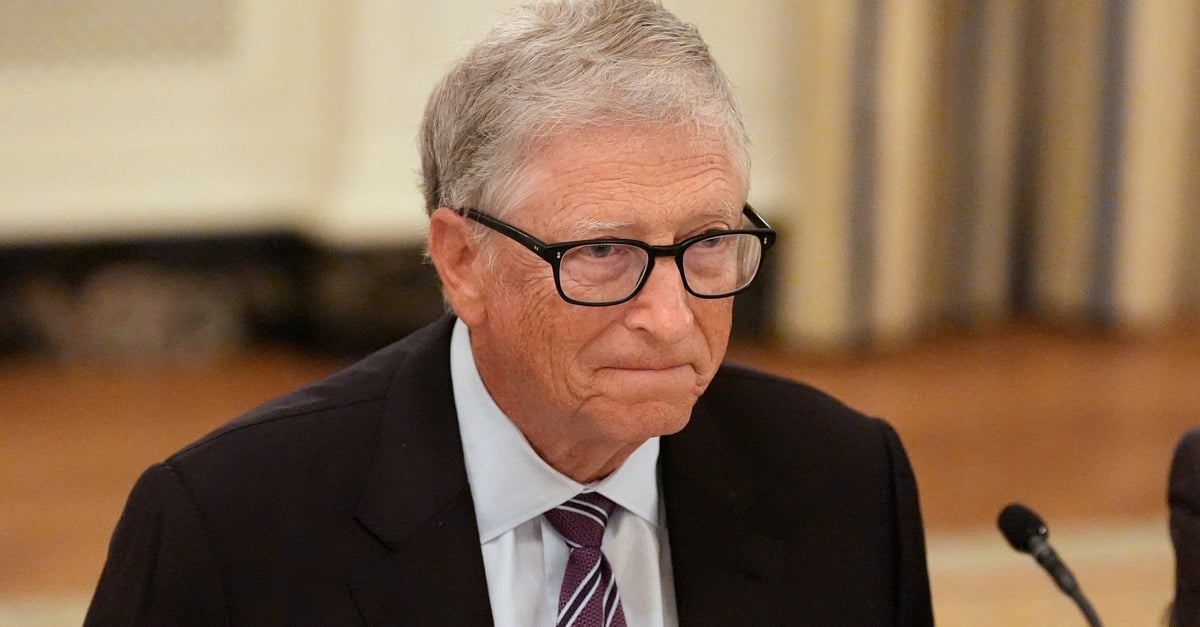
Bill Gates announced on Tuesday, September 15, 2026, that his foundation will pledge $1 billion over the next two years for artificial intelligence efforts aimed at addressing social inequities. The Microsoft co-founder issued the appeal in the Gates Foundation’s annual Goalkeepers report, warning that technology companies and world leaders must act to prevent AI from deepening disparities between rich and poor nations. The funding is intended to improve health outcomes, educational tools, and agricultural practices globally.
The announcement comes amid concerns within the tech industry regarding the speed of AI development. Gates acknowledged that while AI could be a tool for equality, it also carries risks such as fraud, disinformation, surveillance, and cyberattacks. The foundation’s CEO, Mark Suzman, stated that the organization will continue to advocate for leadership in foreign assistance from the United States government, despite international aid cuts during the administration of President Donald Trump.
The $1 billion commitment includes approximately $100 million to build data sets for local languages to ensure AI functions for underserved communities, particularly in Africa. Another $400 million is designated for healthcare tools, including software to assist clinicians in identifying overlooked symptoms. The foundation also pledged roughly $400 million for educational tools and $100 million for agricultural technology, such as apps providing advice to farmers on pest control and weather patterns.
The pledge affects small farmers, healthcare workers, teachers, and underserved populations in developing nations. By allocating $1 billion over two years, the foundation aims to reach those who lack access to English- or Mandarin-based AI tools. For a rural clinician in Rwanda or a small-scale farmer, this could result in receiving advice via a mobile app or using diagnostic software, starting within the next two years.
The scale of this funding is a portion of the Gates Foundation's record budget, though CEO Mark Suzman noted it remains a small fraction compared to the commercial investments made by major tech firms. The foundation is partnering with technology companies, including OpenAI, Anthropic, Google.org, and Microsoft, to develop these tools.
The Goalkeepers report was released ahead of the United Nations General Assembly high-level meetings scheduled for next week in New York. These meetings will include discussions on AI governance. While U.N. Secretary-General António Guterres has advocated for broader governance, U.N. watcher Richard Gowan noted that U.N. processes may move slower than the pace of AI development. The foundation will continue pilot programs, such as training health workers in Rwanda with OpenAI, with plans to expand these efforts to other African countries.