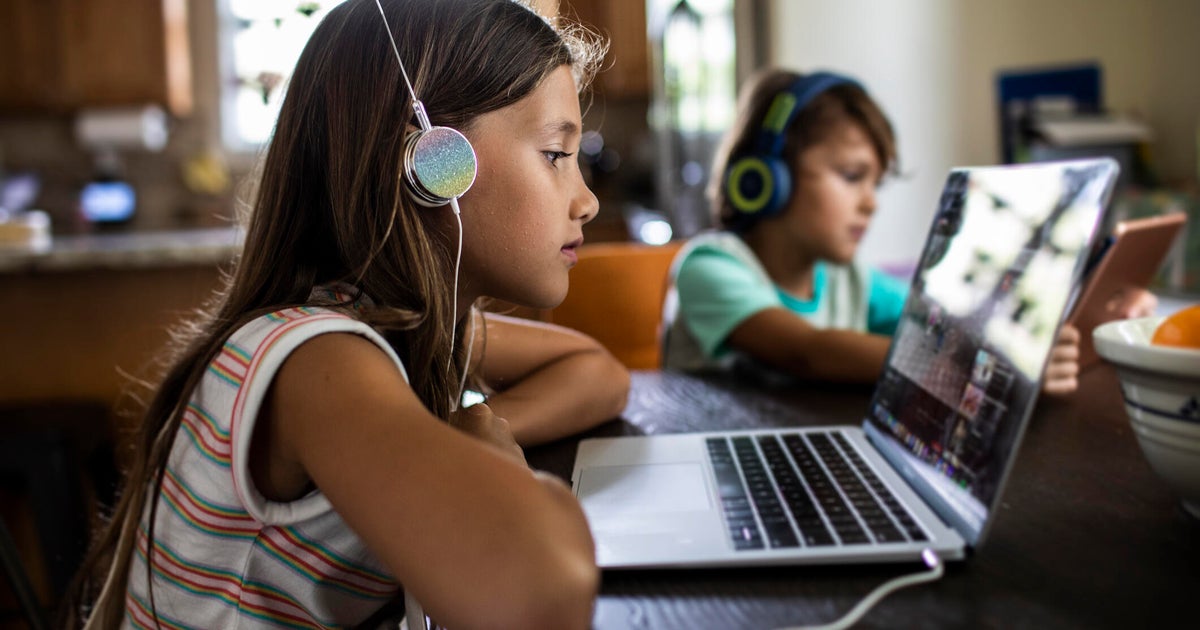
A growing coalition of Democratic and Republican lawmakers is pursuing federal regulations to restrict social media companies, citing concerns over youth mental health and online safety. The movement includes at least 35 U.S. Senate nominees who have sponsored relevant legislation or investigations, alongside state officials such as Texas Senate candidates James Talarico (D) and Ken Paxton (R), who both favor stricter controls despite their differing political backgrounds.
The push for regulation follows several years of proposed policies and recent legal actions against major technology firms. In early August 2026, a New Mexico court ordered Meta, the parent company of Facebook and Instagram, to pay nearly $950 million after finding the company a significant factor in the youth mental health crisis. Later that month, Meta reached a $17 billion settlement with 48 states, the District of Columbia, and three territories, pledging to change settings to protect children.
Central to the federal effort is the Kids Online Safety Act, sponsored by Sens. Richard Blumenthal (D-CT) and Marsha Blackburn (R-TN). The bill would require social media platforms to implement safeguards such as disabling addictive features, allowing minors to opt out of algorithmic recommendations, and limiting communication with users known to be children. One version of the package previously passed the Senate with 91 votes. While companies like Apple support the bill, Meta has spent $10 million on advertising to promote its own parental control features, arguing that blanket bans are less effective than empowering parents.
For the social media industry, the impact is measured in billions of dollars and shifting legal precedents. Beyond Meta’s $17 billion settlement, Roblox reported paying $91 million in settlements related to youth safety in the first half of 2026, and a Kentucky school district secured $27 million from various firms. If federal law establishes a specific "duty of care" for these companies, it could bypass the current liability protections provided by Section 230 of the Communications Decency Act, which has historically shielded platforms from lawsuits involving third-party content. This would open the door for more of the approximately 1,000 school districts currently filing class-action suits to seek damages.
The next steps involve the Trump administration's attempt to link the safety bill to a broader artificial intelligence agenda that could limit state-level technology regulations. While some researchers, such as Sandro Galea of Washington University, note that the causal link between social media and mental health remains "messy," the political momentum is increasing. As of late 2024 and throughout 2025, whistleblowers have provided testimony to Congress alleging that platforms targeted vulnerable teens with specific advertisements. Lawmakers have not yet set a final deadline for a vote on the unified Kids Online Safety Act, but proponents are calling for passage as soon as possible.