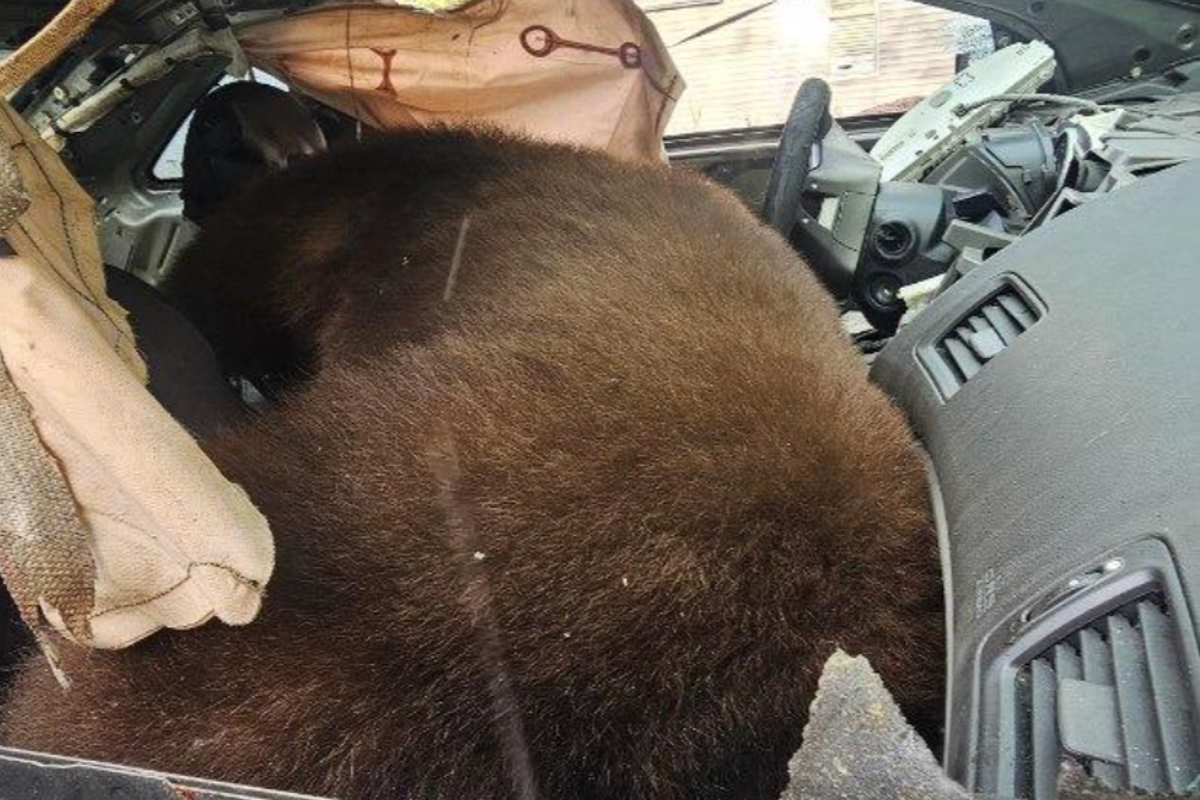
Authorities in Colorado Springs found a 250-pound black bear dead inside an unlocked vehicle after the animal became trapped. According to Colorado Parks and Wildlife (CPW), the bear entered the car to search for food but was unable to exit after the door closed behind it. The animal died due to summer heat, and its body remained in the vehicle for several days before discovery.
CPW Wildlife Officer Travis Sauder reported that bears typically enter vehicles by pulling doors open and leave once they have secured food. In this instance, the bear destroyed the car's interior, leaving fur and dirt across the seats. The agency released photographs showing the damage and the bear's body in the front passenger seat to illustrate the risks of leaving vehicles unsecured in bear-populated areas.
State wildlife officials attributed the increase in bear-human interactions this year to a "food failure" caused by low snowpack and late freezes. These environmental factors have reduced the natural food sources typically available to bears. As a result, the agency reported 6,129 sightings and conflict reports between January 1 and August 13, nearly double the 3,115 reports received during the same period last year.
The financial and environmental costs of these interactions are substantial. When bears become "habituated"—meaning they lose their natural fear of humans after successfully finding food in residential areas—CPW states they often must be killed to ensure public safety. This policy impacts local ecosystems and wildlife conservation efforts. Additionally, the increase in reports places a higher demand on state resources, including CPW officers and local police and fire departments, who were recently called to a similar incident in Manitou Springs on July 29 to assist with a trapped bear.
To mitigate these risks, authorities are advising the public to change daily habits, specifically by locking all vehicle doors and windows and removing trash or food items that emit scents. These measures are intended to prevent bears from overcoming their wariness of humans. While the "food failure" conditions are driven by seasonal weather patterns, the immediate safety recommendations remain in effect indefinitely as wildlife officials continue to monitor sighting numbers, which have already surpassed the 5,299 total reports recorded for all of 2025.