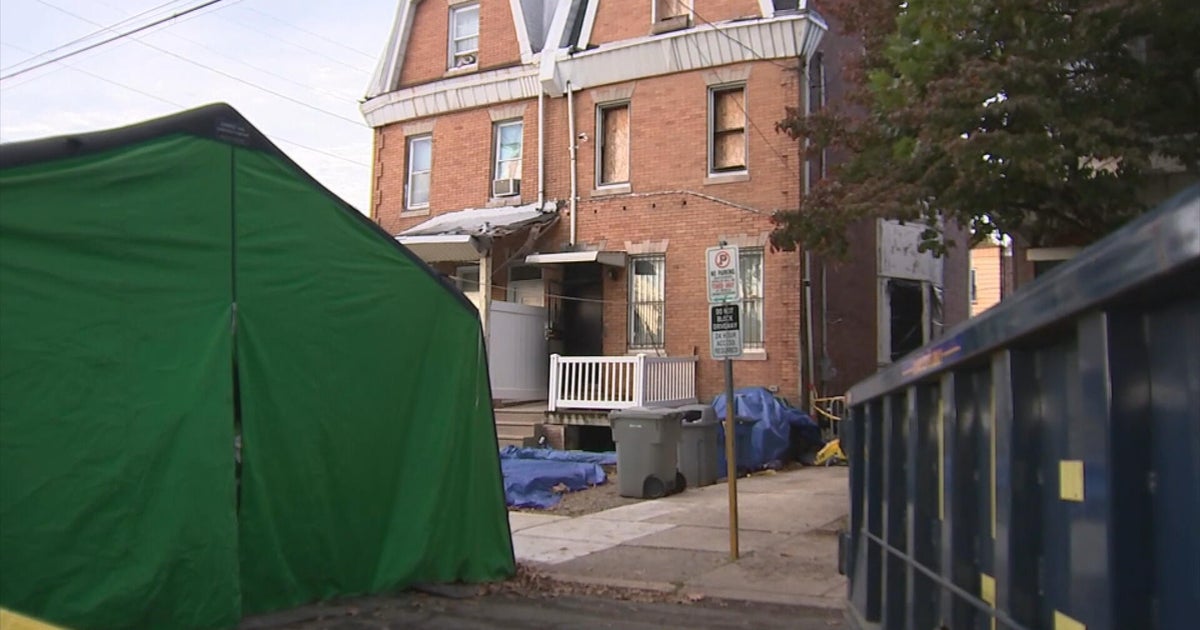
The Philadelphia Medical Examiner's Office responded to a property in the Olney section of Philadelphia on Thursday after bones were discovered in the backyard. The site, located at 417 West Chew Ave., is the former residence of Raymond "R.C." Horsch, a suspected serial killer who died last year. Investigators have not yet determined if the bones are human or animal or if they are connected to the investigation into Horsch's activities.
The discovery occurred during a search for evidence related to at least seven women connected to Horsch and the property, some of whom are feared dead. Law enforcement sources reported earlier in the week that investigators found human DNA inside the home using luminol. The current excavation involves sifting through soil in layers approximately 3 feet deep.
Richard Marx, a retired FBI supervisory agent, stated that the involvement of the medical examiner is standard procedure when items potentially related to a body are located. Investigators have also uncovered opossum carcasses and the remains of a brick outhouse in the yard. Sources told CBS News Philadelphia that Horsch authored books detailing the use of alkaline hydrolysis—a chemical process for dissolving remains—and that chemicals found in the home are undergoing laboratory testing.
The investigation involves the families of at least seven women identified by law enforcement as having connections to Horsch and this property. The search for remains provides a path for these families to receive information regarding their missing relatives. The discovery of DNA and skeletal material, if confirmed as human, would represent physical evidence recovered since the investigation began following the June arrest of Horsch's son, Eugene.
For the residents of the Olney neighborhood, the search involves a law enforcement presence and excavation of a residential lot. The process requires investigators to remove and examine soil down to a depth of 3 feet. The search, involving both the front and back yards, indicates the extent to which local authorities are treating the site as a forensic scene.
The investigation is expected to continue through at least the middle of next week, with crews moving their excavation efforts from the backyard to the front yard once the current area is cleared. Further testing by the Medical Examiner’s Office is required to identify the origin of the bones found on Thursday. No specific date has been reported for the release of the DNA or chemical testing results.