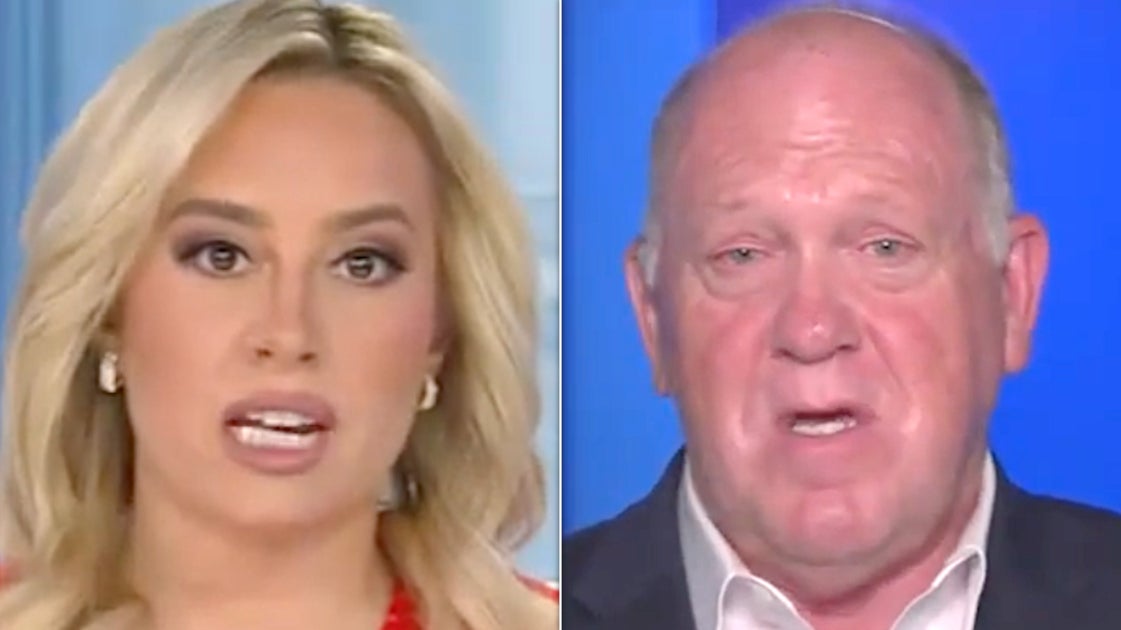
Tom Homan, the official designated as border czar by the Trump administration, stated on Sunday, Sept. 13, 2026, that there are no operational plans to deploy Immigration and Customs Enforcement (ICE) officers to polling places. During an appearance on Fox News, Homan described reports of such plans as a "fear tactic" and an attempt to "smear" the agency. Host Jacqui Heinrich described the statement as "news right there" regarding concerns about federal presence during the upcoming midterm elections.
The comments follow a lawsuit filed in Denver that seeks to block the administration from deploying officers at voting sites. Some Democratic officials, including Illinois Gov. JB Pritzker, have previously expressed concern that the administration might use a federal presence to influence voter turnout. Pritzker suggested in April 2026 that the deployment of armed federal personnel could be used to intimidate voters.
Homan stated during the interview that he has not seen any discussions or plans for immigration enforcement actions at polling sites. He framed the concerns alongside disagreements over election security measures, such as voter identification laws and the use of observers. Homan said the administration wants "fair elections" and intended his remarks to "put to bed" rumors of enforcement sweeps for noncitizens at voting locations.
Other administration officials have provided qualifying statements regarding federal presence. Homeland Security Secretary Markwayne Mullin previously stated that federal forces would only be present at polling places to serve a warrant or in the event of a threat to the site. This distinction has been a point of focus in ongoing litigation asserting that federal immigration enforcement at voting locations could disrupt the electoral process.
The scale of this issue involves voters in all 50 states. For an individual voter, this policy determines whether they will encounter armed federal agents—specifically ICE officers—when they go to their local library, school, or community center to cast a ballot. A visible federal presence could change the day-to-day experience of voting, potentially influencing the time spent at the polls or the willingness of certain populations to participate in person. The lack of a uniform ban on all federal presence, as noted by Secretary Mullin’s warrant exception, means localized enforcement actions could still occur.
These statements relate to how federal immigration authorities interact with state-run electoral processes. If federal agents are deployed for any reason, it may lead to further legal challenges regarding state control over elections. The immediate impact will be felt during the 2026 midterms, but the outcome of the Denver lawsuit and subsequent administration actions will likely shape federal policy for future presidential and local election cycles. The next steps include court rulings on the pending Denver lawsuit and any formal guidance issued by the Department of Homeland Security as the election date approaches.