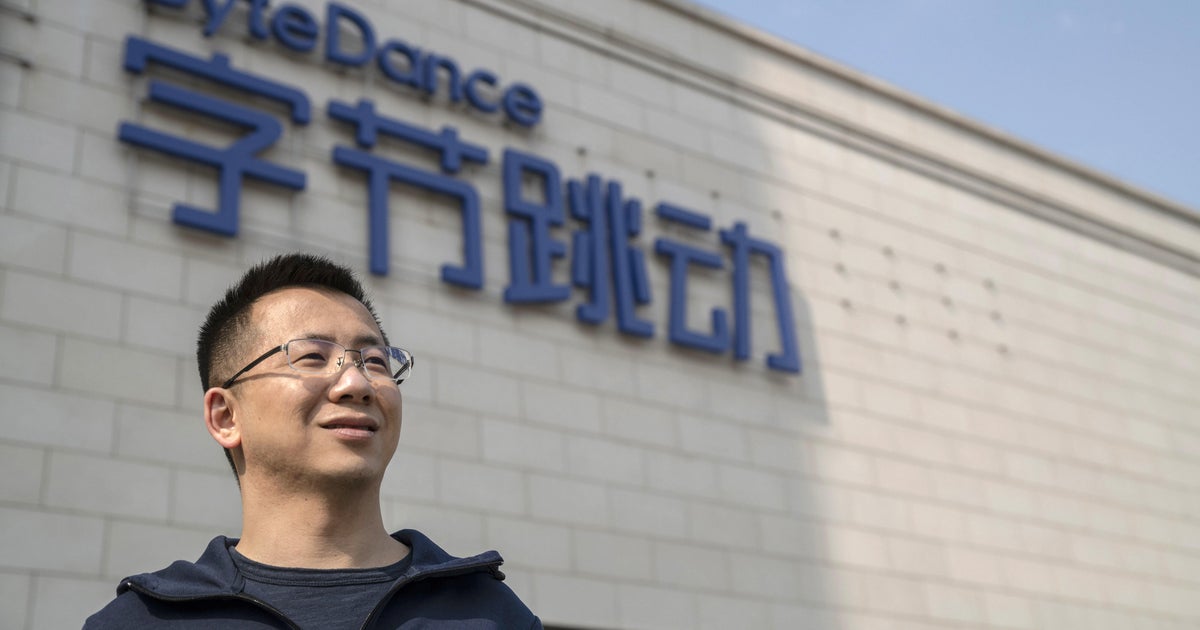
Zhang Yiming, the founder of ByteDance, has reclaimed the top position on the Hurun Research Institute's annual list of China's richest individuals. His net worth reached $100 billion, an increase of 43% from the previous year. The Hurun report attributed the rise in wealth to ByteDance’s expansion into artificial intelligence, noting that the company’s Doubao is currently the most widely used AI assistant in China.
The rankings, released on Tuesday, October 27, 2026, indicate a divergence in the Chinese economy. While technology sectors such as AI, semiconductors, and robotics saw significant gains, industries such as real estate and consumer goods faced declines. Hurun Report chairman Rupert Hoogewerf described the current environment as a "two-speed economy," noting that for the first time, no mainland property developers were ranked in the top 100.
ByteDance is the parent company of the short-video platforms TikTok and Douyin. Following national security concerns in the United States, TikTok's U.S. operations were shifted to a new joint venture in January involving investors like Oracle. ByteDance retains a minority stake in that venture. Zhang, who founded ByteDance in 2012, stepped down as CEO in 2021 but reportedly maintains over 50% of the company's voting rights.
The report identified 1,529 individuals in China with a net worth exceeding 5 billion yuan (approximately $750 million), a 6.6% increase over the prior year. The number of U.S. dollar billionaires in China rose to 1,176, which is 176 more than the total in the United States. Following Zhang on the list were bottled water magnate Zhong Shanshan, whose wealth fell 23% to $61 billion, and Robin Zeng, chairman of battery manufacturer CATL.
For ordinary citizens and small-business owners, the report reflects broader economic challenges. While Zhang’s wealth increased, the consumer and real estate sectors remain under pressure. Small-business owners have reported reduced customer spending as domestic demand is weighed down by a downturn in the property market. Those whose jobs or businesses rely on traditional manufacturing or consumer retail may see different economic conditions than those in government-supported tech sectors.
The economic background for these figures is a 4.5% growth rate in the Chinese economy for the July-September quarter. Chinese leaders have set an annual growth target between 4.5% and 5% for 2026, a decrease from the 5% expansion recorded last year. The success of ByteDance and AI startups occurs alongside a U.S. regulatory environment where TikTok's ownership structure remains a subject of oversight. Future rankings will depend on whether domestic demand recovers and how global trade and technology regulations affect Chinese exports and software platforms.