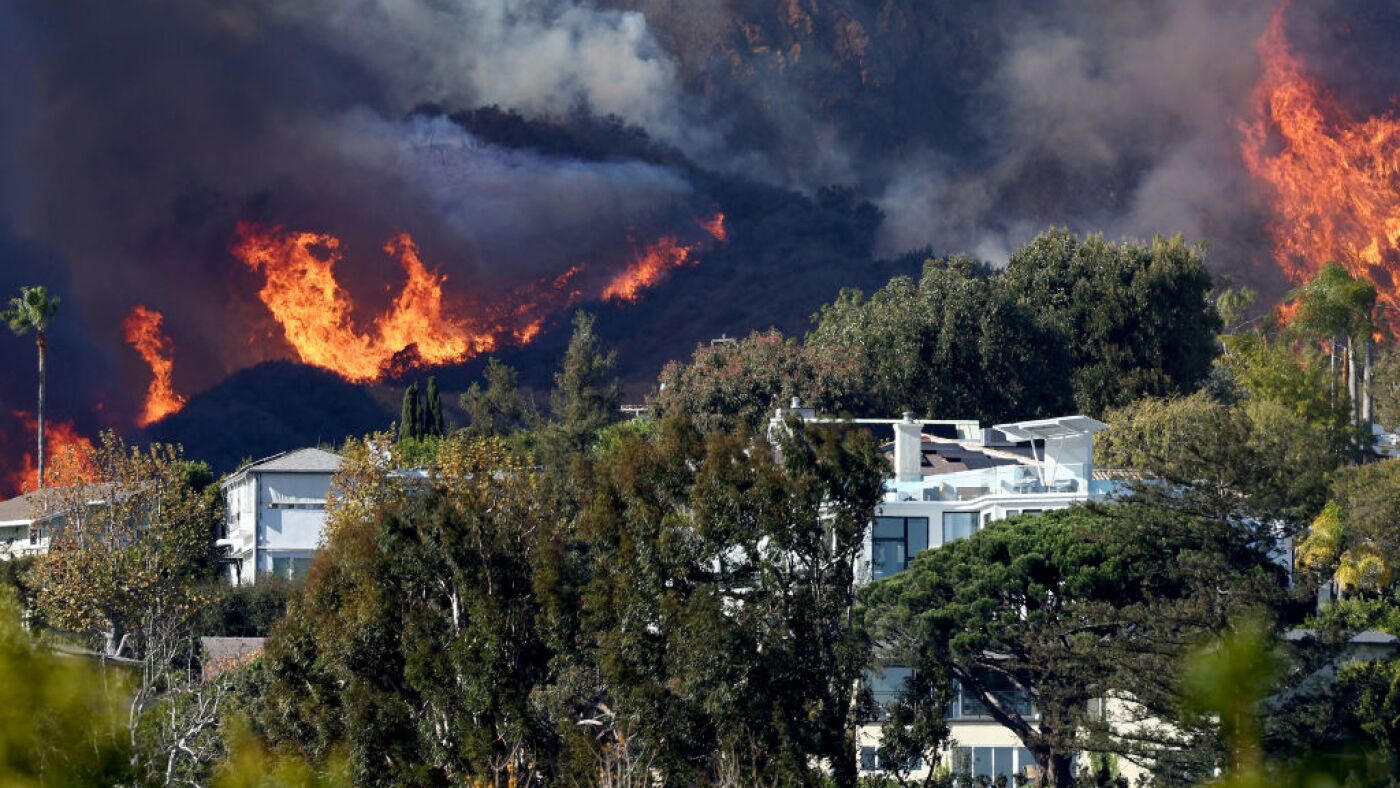
The California Board of Forestry and Fire Protection voted Wednesday to adopt new regulations governing landscaping around homes in wildfire-prone areas. The rules require property owners to manage vegetation within five feet of structures, a space designated as "Zone Zero." These measures are intended to reduce the risk of homes igniting from burning embers carried by high winds during wildfires.
The decision follows several years of discussion regarding the balance between fire safety and property maintenance. Original proposals considered a total ban on all vegetation within the five-foot zone, but the final regulations reflect a compromise following public concerns about the cost of yard maintenance and the loss of greenery. State regulators noted that over 57,000 structures have been destroyed by wildfires in California over the last decade.
Under the new rules, homeowners may keep lawns, flowers, and non-woody plants up to 18 inches tall within Zone Zero, provided they are not located directly under a roofline. Trees are permitted if their branches are trimmed to remain at least five feet away from any structure. The regulations take effect immediately for new construction, while existing homes will have a phased implementation period.
Opponents of the measure, including representatives from community groups like the Mandeville Canyon Association, argued during testimony that the changes could cost homeowners "tens of billions of dollars." Conversely, fire safety experts and state advisors testified that the rules are necessary to address an "existential crisis" affecting home insurance availability and public safety. Some fire officials expressed concern that the compromise allowing certain plants would make inspections more complex compared to a total vegetation ban.
For these households, the day-to-day impact will include annual inspections conducted by local fire departments or state agencies. While residents in existing homes will not face mandatory compliance until 2029 at the earliest, they may notice immediate changes in the insurance market; California law requires insurers to provide discounts to homeowners who implement fire-resistant measures like these. Failure to comply once the rules are mandatory could result in enforcement actions following an initial educational period by inspectors.
The policy sets a significant precedent for the Western United States, as California often pioneers wildfire regulations that other states later adopt. Similar vegetation management rules were recently defeated in Oregon and Washington following public opposition, making California the first to implement such a mandate at this scale. The success or failure of this program may influence whether neighboring states revisit their own wildfire protection laws. Following Wednesday's vote, the state will begin the process of training inspectors, with the primary focus on new construction projects starting immediately.