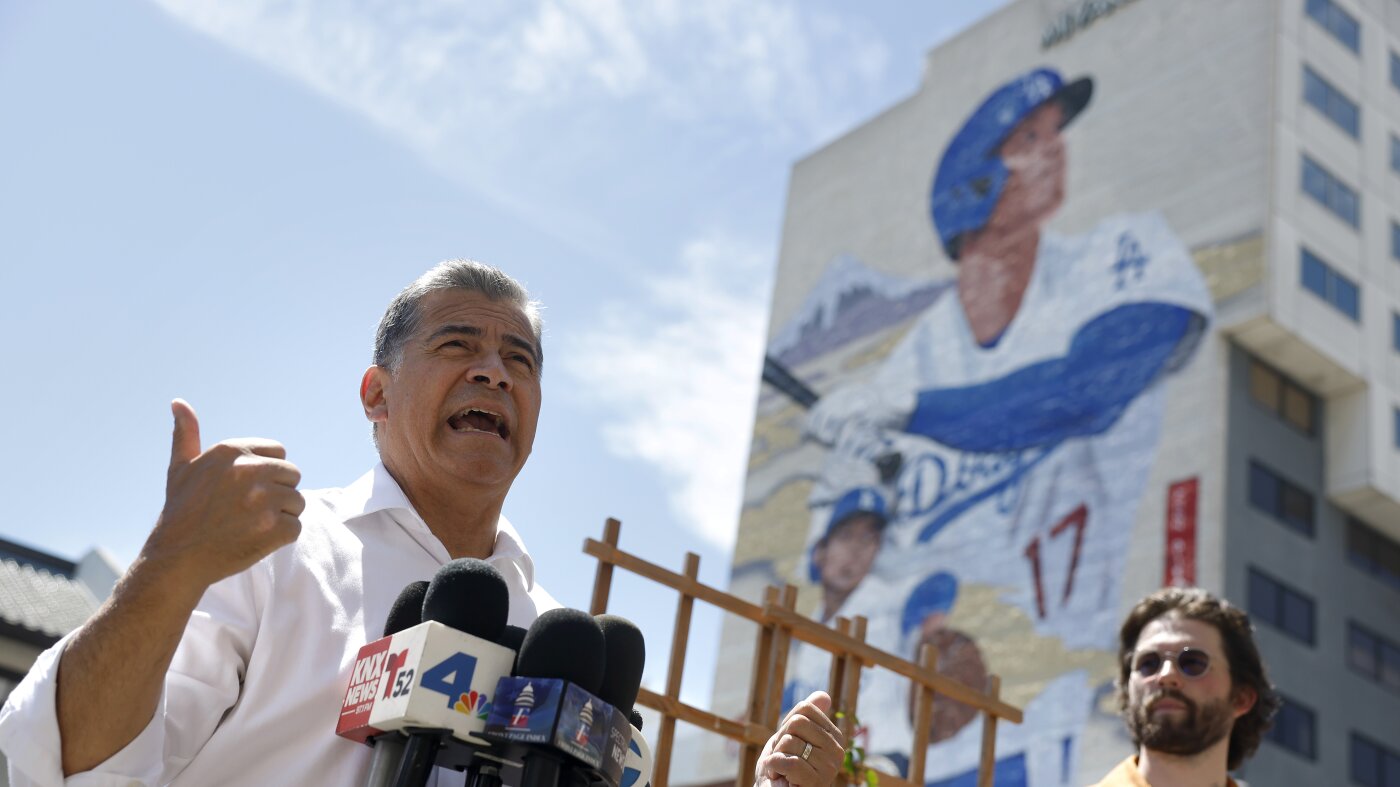
Democrat Xavier Becerra and Republican Steve Hilton are campaigning to succeed Governor Gavin Newsom as California faces projections of a sharp increase in its uninsured population. Data from the University of California, Berkeley Labor Center indicates that the number of uninsured Californians under age 65 could nearly double to 4.6 million by 2030 due to changes in federal and state funding.
The shift follows the passage of the federal One Big Beautiful Bill Act, which Republicans stated was intended to reduce fraud and preserve Medicaid for those in greatest need. The law is estimated to reduce federal Medicaid spending by more than $900 billion over a decade. Additionally, the expiration of enhanced premium tax credits for Affordable Care Act (ACA) plans last year contributed to a national enrollment decline of nearly 3 million people this year.
Becerra, a former U.S. Secretary of Health and Human Services, has pledged to issue an executive order to maintain coverage for those affected by federal cuts. He suggested extracting "waste" from industry administrative costs to fund these efforts but has not specified how the state would replace up to $30 billion in annual federal funding. Hilton has proposed ending state-funded coverage for immigrants without legal status, arguing the savings should be used for state income tax breaks to address high costs.
The financial impact extends to the state's healthcare infrastructure and broader economy. Hospital executives have reported an increase in unpaid medical bills, and insurance experts warn that as healthy individuals leave the insurance pools, premiums for those remaining will likely rise. Federal funds currently provide one-third of California's total state budget and over 60% of the funding for Medi-Cal, the state's Medicaid program. The loss of up to $30 billion annually creates a significant budgetary gap that the next governor must address through spending cuts, new revenue, or alternative funding models.
The next administration will also face legal and local pressures. California law requires county governments to provide healthcare to indigent residents, and these local authorities are already requesting additional state funding to manage a growing number of patients requiring free care. While Governor Newsom and current lawmakers have delayed some state-level cuts until July 2027, the long-term sustainability of the state's expanded coverage remains undecided. Voters will consider a "billionaire tax" on the November ballot, though Becerra has stated his opposition to that specific measure. Currently, polling suggests Becerra is the frontrunner for the November election.