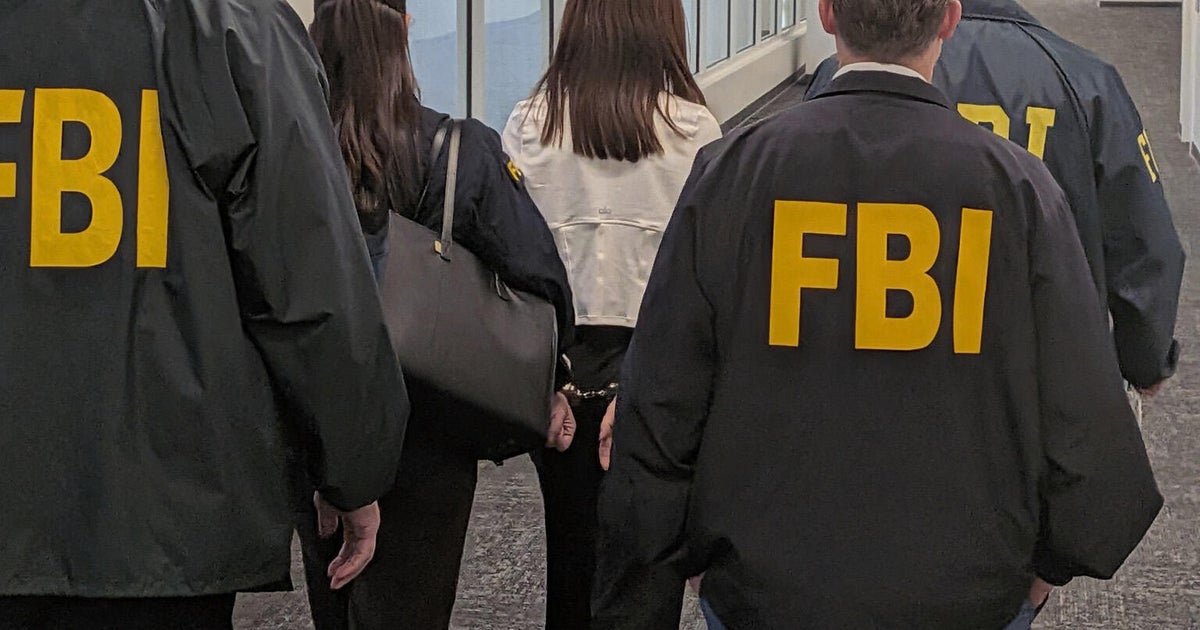
Wanying "Heather" Zhang, a 34-year-old real estate agent from Irvine, California, appeared in Los Angeles federal court on Monday, Oct. 5, 2026. Federal authorities arrested Zhang on Sunday, Oct. 4, at Los Angeles International Airport as she allegedly attempted to board a flight to Shanghai, China. She is charged with acting as an unregistered agent of the Chinese government.
Federal investigators alleged that Zhang and an accomplice traveled to the Seattle area in September 2025 to surveil the son of Taiwanese President Ching-Te Lai. According to an FBI affidavit, Zhang was directed by individuals she understood to be Chinese government officials. Law enforcement sources identified the target as Ting-Yu Lai, an engineer in his 30s who works for the electronics firm Philips and lives in a Seattle suburb with his wife and child.
During the court hearing, Zhang confirmed her name and stated she understood the charge against her. Although she was initially represented by a public defender, Judge Steve Kim ruled that Zhang's income disqualified her from court-appointed counsel and ordered her to hire a private attorney. Prosecutors from the Justice Department's National Security Division and the U.S. Attorney’s Office were present but said they were not authorized to comment on the proceedings.
The FBI's criminal complaint cited text messages obtained via a search warrant for Zhang’s iCloud account. In one exchange on the day of the alleged surveillance, Zhang reportedly messaged a handler, "Saw him. Young male," and stated she was video recording. Security camera footage from a neighbor allegedly showed Zhang filming the president's son and his family as they arrived home. U.S. Attorney Bill Essayli stated that Zhang had been known to officials since 2025, but her recent booking of a flight to Shanghai prompted the arrest.
The scale of the potential legal penalty for the defendant is significant, as a conviction for acting as an unregistered foreign agent carries a maximum sentence of 10 years in federal prison. For the public, this case highlights the specific day-to-day activities that federal law enforcement classifies as illegal foreign agency, such as surveilling private residences, documenting license plate numbers, and transmitting personal information to foreign officials without legal disclosure. The FBI affidavit noted that information about the relatives of senior Taiwanese officials is viewed by the U.S. government as potential leverage that could be used by China during international conflicts.
The effects of this arrest include increased scrutiny of individuals with ties to foreign governments. This case follows the recent arrest of a man for allegedly selling $300 million in AI chips to China and a guilty plea by a former mayor for acting as an illegal foreign agent. Zhang is currently remanded to the custody of U.S. Marshals. Her detention hearing is scheduled for Wednesday, Oct. 7, followed by a preliminary hearing on Oct. 19 and a post-indictment arraignment on Oct. 23, 2026.