The Plain Record

Neutral daily news — clear headlines, complete facts.

National

California woman diagnosed with rare neurological variant after months of paralysis

Vanessa Abraham was diagnosed with a rare variant of Guillain-Barré syndrome four months after suffering respiratory failure and paralysis.

Published August 19, 2026 at 9:20 AM EDT

The short answer

Vanessa Abraham was diagnosed with a rare variant of Guillain-Barré syndrome four months after suffering respiratory failure and paralysis. A California woman who experienced sudden paralysis and respiratory failure was diagnosed with a rare variant of Guillain-Barré syndrome four months after her symptoms first appeared.

California woman diagnosed with rare neurological variant after months of paralysis

The Facts

Who
Vanessa Abraham, Dr. Jared Rosen, and Dr. Kiril Kiprovski.
What
Diagnosis of a rare variant of Guillain-Barré syndrome following severe paralysis and ICU hospitalization.
When
Symptoms began in 2019; diagnosis was confirmed four months later.
Where
San Diego, California
Why
The diagnosis identifies a rare form of a neurological disorder that affects approximately 3% of Guillain-Barré patients, highlighting the difficulty of identifying conditions that lack a single definitive test.

Timeline of what happened

Key dates and decisions, in the order they occurred.

  1. 2019

    Vanessa Abraham begins feeling ill with flu-like symptoms and voice changes.

  2. 2019

    Abraham collapses and is admitted to the ICU for respiratory failure.

  3. 2019

    Abraham is discharged from the ICU after one month without a diagnosis.

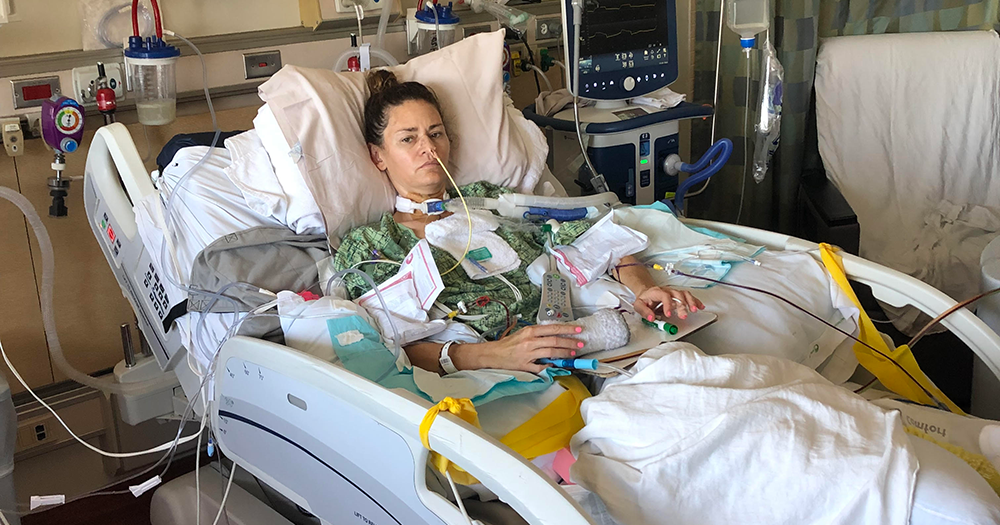
A California woman who experienced sudden paralysis and respiratory failure was diagnosed with a rare variant of Guillain-Barré syndrome four months after her symptoms first appeared. Vanessa Abraham, a speech pathologist, was hospitalized in 2019 after symptoms initially mistaken for the flu led to a total physical collapse that required intubation in an intensive care unit (ICU).

Abraham was eventually transferred to UC San Diego Health, where she remained in the ICU for a month. During her stay, doctors were unable to determine the cause of her paralysis, which left her unable to speak, eat, or hold up her head. She communicated with medical staff, including then-medical student Dr. Jared Rosen, while remaining conscious of her condition.

Four months after the onset of symptoms, Abraham was diagnosed with the pharyngeal-cervical-brachial variant of Guillain-Barré syndrome. According to Dr. Kiril Kiprovski, a neurologist at NYU Langone, this specific variant attacks the muscles in the diaphragm and throat rather than beginning in the legs as is common with the standard form of the disorder. Abraham subsequently began receiving intravenous immunoglobulin treatment, which utilizes donor antibodies to strengthen the immune system.

For patients and their families, the impact of such a rare diagnosis involves prolonged periods of medical uncertainty and intensive physical recovery. Abraham required inpatient physical therapy, outpatient follow-up, and specialized swallowing and voice therapy. The condition also resulted in mental health challenges, as Abraham reported experiencing severe anxiety and depression during her recovery process. These needs can persist for years; six years after the event, Abraham still manages neuromuscular weakness while maintaining her daily routine and working as a speech pathologist.

The case also underscores the long-term professional and psychological adjustments required for ICU survivors. Abraham now participates in support groups for ICU-related trauma and uses her experience to inform her work with patients who have compromised speech. While most patients with this syndrome eventually improve as the body regenerates, the timeframe for recovery is often measured in months or years rather than weeks. Abraham’s former medical student, Dr. Rosen, is now finishing a fellowship in critical care medicine, citing this case as his inspiration for specializing in the field.

Summaries are written by The Plain Record to state the facts of a story plainly and without political slant. See our editorial standards, or report a correction.

← Back to the front page

Questions readers ask

What happened: California woman diagnosed with rare neurological variant after months of paralysis?

Diagnosis of a rare variant of Guillain-Barré syndrome following severe paralysis and ICU hospitalization.

Who is involved?

Vanessa Abraham, Dr. Jared Rosen, and Dr. Kiril Kiprovski.

When did this happen?

Symptoms began in 2019; diagnosis was confirmed four months later.

Where did this happen?

San Diego, California

Why does this matter?

The diagnosis identifies a rare form of a neurological disorder that affects approximately 3% of Guillain-Barré patients, highlighting the difficulty of identifying conditions that lack a single definitive test.