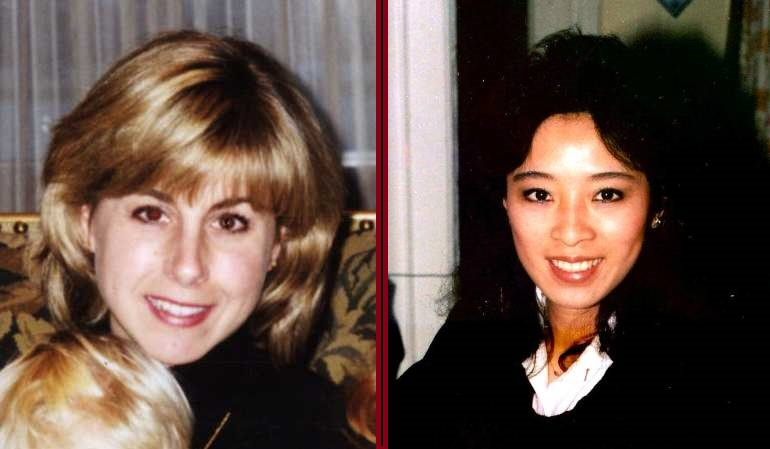
At 8:19 on the morning of September 11, 2001, a telephone rang inside an American Airlines reservations office in North Carolina. The woman on the other end was Betty Ong. She was calling from an airplane.
Ong was 45 years old and had been a flight attendant for American Airlines for 14 years. That morning, she was working Flight 11, the early flight from Boston to Los Angeles. The Boeing 767 had taken off from Logan International Airport about 20 minutes earlier. Something had gone terribly wrong.
“The cockpit's not answering,” Ong told the reservation agent. There had been stabbings. Something like Mace had apparently been sprayed near the front of the cabin. People were having trouble breathing. Ong couldn't reach the pilots. Then she said what she believed was happening: “I think we're getting hijacked.”
The words are remarkable now because of everything we know came afterward. Ong did not know that four airplanes would be hijacked that morning. She did not know that another aircraft would strike the South Tower, that a third would hit the Pentagon, or that passengers and crew members aboard a fourth would fight back over Pennsylvania. She did not know that the United States was under attack, and she almost certainly did not understand where Flight 11 was going.
She knew only what was happening around her, so she began reporting it. For the next several minutes, while an event that would change American history was unfolding around her, Betty Ong did something strikingly ordinary: She stayed on the telephone.
A Normal Morning
American Airlines Flight 11 departed Boston at 7:59 a.m. There were 92 people aboard: two pilots, nine flight attendants and 81 passengers, including five men who would hijack the aircraft. The flight was supposed to cross the country and arrive in Los Angeles later that morning.
For the first few minutes, nothing appeared unusual. At approximately 8:14 a.m., the pilots made their last routine communication with air traffic controllers. Then the aircraft stopped responding. Investigators later concluded that the hijacking probably began at about that time.
What happened next had to be reconstructed from fragments. There were no survivors and no complete recording from inside the cabin. Investigators would eventually piece together the sequence using air-traffic-control recordings, airline records, radar data, passenger manifests and telephone calls. Most important among those calls were the ones made by two flight attendants: Betty Ong and Madeline “Amy” Sweeney. The 9/11 Commission would later write that their reports tell us most of what we know about how the hijacking of Flight 11 occurred.
The takeover appears to have happened quickly. Two flight attendants near the front of the aircraft were attacked. Passenger Daniel Lewin was also attacked and fatally wounded. The cockpit was taken, and the pilots could no longer be reached. Something resembling Mace or pepper spray was released near the front of the aircraft, making it difficult to breathe. Passengers and crew members were pushed toward the rear. The hijackers claimed to have a bomb.
Somewhere amid that confusion, information began moving backward through the cabin. And Betty Ong reached for a phone.
What Seat Are You In?
The first person Ong reached was an American Airlines reservations agent. The conversation initially had an almost procedural quality. The people on the ground needed to establish who was calling, which flight she was on, where she was sitting, where the flight had originated and where it was supposed to be going.
Ong answered their questions. She was aboard Flight 11, traveling from Boston to Los Angeles. She was the number-three flight attendant, positioned toward the rear of the airplane. Then she returned to what mattered. The cockpit wasn't answering. Someone had been stabbed in business class. Two flight attendants had been stabbed. People near the front could not breathe properly. Something was very wrong.
Listening to the surviving recording today, one of the most striking things is Ong's voice. She does not sound detached from what is happening, nor does she sound unaware of the danger. She sounds focused. Nydia Gonzalez, an American Airlines employee who eventually joined the call and began communicating directly with Ong, later described her as “calm, professional and in control.”
That composure mattered. Gonzalez had worked as a flight attendant herself. She understood the language Ong was using and the significance of what she was describing. As Ong talked, Gonzalez relayed the information to American Airlines operations. A chain of communication was forming between the airplane and the ground. The people on the ground were beginning to understand that Flight 11 had been hijacked.
But they still did not understand what kind of hijacking this was. Neither did Ong.
Another Flight Attendant Tries to Get Through
Elsewhere in the coach cabin, another flight attendant was trying to accomplish the same thing.
Madeline “Amy” Sweeney was 35 years old and had worked for American Airlines for 12 years. She was married and had two young children. She was not originally scheduled to work Flight 11 that morning; according to accounts later given by her family, Sweeney had agreed to take the flight as an extra shift.
Now she was aboard an aircraft whose cockpit had been seized.
Sweeney tried to contact American Airlines, but her first attempts failed. She kept trying. Eventually, using a calling card belonging to fellow flight attendant Sara Low, Sweeney reached Michael Woodward, an American Airlines flight-services manager at Logan Airport. It was approximately 8:32 a.m.
By then, Betty Ong had already been on the telephone for more than 10 minutes. Flight 11 now had two connections to the ground.
The women were not giving identical reports. They were positioned differently, speaking with different people and receiving information from others aboard the aircraft. That was precisely what made the calls so valuable. Together, they were creating a picture of what was happening inside the airplane.
Sweeney told Woodward that the flight had been hijacked. She reported the injuries: One flight attendant was seriously wounded and receiving oxygen, another had been injured, and a passenger had been gravely wounded. The crew had asked whether there was a doctor aboard. The cockpit could not be reached. The hijackers claimed to have a bomb.
Then came another kind of information: seat numbers.
The Importance of a Seat Number
On an airplane, a seat number is mundane information. It tells a passenger where to sit. On the morning of September 11, seat numbers became intelligence.
Ong and Sweeney relayed information about where some of the attackers had been sitting. American Airlines had the passenger manifest, which meant employees on the ground could compare the seat locations being reported from the aircraft with names on the passenger list. The airline began identifying the people involved in the takeover.
Neither Ong nor Sweeney was conducting an investigation, and they could not have known how significant those details would become. They were doing something much simpler: observing what was happening around them and telling someone. Because they did, however, authorities had some of their earliest information about the people carrying out the attack.
The calls also reveal something else about those minutes aboard Flight 11. The crew was still functioning.
In the Cabin
It is easy, looking backward, to imagine the passengers and crew of Flight 11 simply waiting for what was coming. That is not what the available evidence suggests.
The flight attendants were working. They were trying to help injured colleagues and searching for medical supplies. Oxygen was administered to one of the wounded flight attendants, and the crew asked whether there was a doctor aboard. Passengers were moved away from the danger near the front. Information traveled through the cabin, and some of that information then traveled outside the airplane through Ong and Sweeney.
There is something almost organizational about what the crew managed to do. One person could see something, another could learn about it, and that information could move toward the rear of the aircraft until Ong or Sweeney could relay it to someone on the ground. No one had designed this system. The crew created it because the normal system had collapsed.
The pilots were unreachable. The cockpit was gone. The airplane was no longer under their control. But the cabin crew continued doing what cabin crews are trained to do in emergencies: communicate, assess and assist.
What they could not know was that the basic assumptions underlying much of their hijacking training were about to become obsolete.
The Old Rules of Hijacking
Before September 11, the conventional understanding of commercial-airline hijackings was very different from what it became afterward. A hijacker generally wanted something: a destination, money, political concessions or the release of prisoners. The airplane and the people aboard were bargaining chips.
That understanding shaped how crews were trained to respond. Cooperation could keep passengers alive until the aircraft landed and authorities could take over. Flight 11 initially contained elements of that familiar pattern. The cockpit had been seized, the attackers claimed to have a bomb, and the airplane had changed course. What was happening was terrifying, but hijacking itself was not unprecedented.
What almost no one aboard Flight 11 could reasonably have understood was that the people who had seized the aircraft did not need the passengers as bargaining chips. They did not need the airplane to land.
The airplane was the weapon.
On the ground, pieces of that reality were beginning to emerge. In the cabin, Betty Ong and Amy Sweeney were still trying to understand what they could see.
Two Views of the Same Airplane
At approximately 8:26 a.m., Flight 11 turned south. It was heading toward New York. Ong reported that the airplane was flying erratically. Air traffic controllers were tracking it, American Airlines personnel were trying to understand the reports coming from the cabin, and the military would soon be notified.
Aboard the airplane, the passengers and crew remained trapped inside a very different field of information. They could feel the airplane turn and descend. They could look through the windows. But they could not see a radar screen or the aircraft's route. They could not know what controllers knew.
The people watching Flight 11 from the ground had the opposite problem. They could see where the aircraft was going, but they could not see what was happening inside it.
That is one of the most haunting aspects of the final minutes of Flight 11. The truth was divided between the airplane and the ground. Ong and Sweeney knew what was happening inside. The people on the ground could increasingly see what was happening to the airplane. No one yet had the entire picture.
The Plane Begins to Descend
Ong stayed on the line as the minutes passed. Questions were asked and information was repeated. People on the ground tried to determine what was happening in the cockpit, but Ong could not tell them. She couldn't get there.
At one point, she reported that the aircraft was flying erratically again. Sweeney was noticing the changing flight as well and remained on the telephone with Woodward in Boston.
By approximately 8:41 a.m., Sweeney reported something that reveals how incomplete the passengers' understanding remained. Many people in the coach cabin apparently believed there was a medical emergency in first class. The cockpit had been taken, people had been attacked and two flight attendants were on telephones reporting a hijacking, yet some passengers farther back in the airplane apparently still did not understand the full situation.
The crew was managing not only an emergency, but information itself.
Then the airplane began descending.
Near the end of her call, Sweeney told Woodward that something had changed. The aircraft was descending rapidly. Woodward asked her to look outside. Sweeney did. She could see water and buildings. The airplane was flying extremely low.
For someone on the ground looking at radar, those observations could be placed into a larger picture. Flight 11 was approaching Manhattan. For Sweeney, looking through an airplane window, there was only what she could see: buildings, water and the ground getting closer.
Betty Ong was still connected to American Airlines as well. Her call had lasted for roughly 25 minutes when the connection was lost at about 8:44 a.m. There is no dramatic final statement preserved from Ong, no farewell or declaration about what was about to happen. The connection simply ended.
Sweeney's call ended shortly afterward.
At 8:46:40 a.m., American Airlines Flight 11 struck the North Tower of the World Trade Center.
Everyone aboard was killed.
What Remained
For millions of people, September 11 began on television: a burning building, then another airplane, another impact, smoke, sirens, people running and eventually buildings collapsing. Those images became the collective memory of the day.
But before September 11 became something the world watched, it was something happening to individual people who could see only the small piece directly in front of them.
That is what makes the calls from Flight 11 so important.
Betty Ong could not see the World Trade Center. Amy Sweeney could not see the map of Flight 11's path. Neither woman knew that historians would someday study her words. They were simply trying to get information out of an airplane.
Ong's call lasted roughly 25 minutes. Sweeney's sustained call lasted about 12. Together, those conversations became the principal eyewitness account of what happened aboard Flight 11. They documented attacks on crew members and a passenger, established that the cockpit was inaccessible, described conditions in the cabin, provided information about where the attackers had been sitting, and showed that the cabin crew continued working after control of the airplane had been lost.
But there is another reason to remember the calls. They preserve something that a timeline cannot: how people behaved when confronted with a situation they could not fully understand.
Betty and Amy
Betty Ong was known by her family as someone who took care of people. She grew up in San Francisco, one of six children, and eventually became a flight attendant, spending 14 years with American Airlines.
Amy Sweeney had spent 12 years with the airline. She was a wife and the mother of two children. By chance, she had taken an extra shift that placed her aboard Flight 11 that morning.
On September 11, neither woman knew that she was participating in an event that would be studied for generations. There was no reason they should have behaved as historical figures.
They didn't. They behaved like flight attendants.
They gathered information, communicated and tried to help the injured. They kept the ground informed and remained at their posts.
Nydia Gonzalez would later emphasize something about Ong that sometimes gets lost in descriptions of the call. Ong was calm, professional and focused. Accounts of Sweeney's conversation with Woodward describe a similar composure.
That does not mean they were unafraid. We cannot know what either woman was feeling. Courage does not require the absence of fear.
What we can know is what they did.
They kept working.
The Voices From Flight 11
There is a temptation, when remembering September 11, to tell the story backward. We know the ending, so everything that happened beforehand seems to point inevitably toward it.
But Betty Ong and Amy Sweeney did not live those minutes backward. They lived them forward.
At 8:19, Ong did not know what would happen at 8:46. At 8:32, Sweeney did not know what she would see outside the window 12 minutes later. Each woman had only the information available to her at that moment. Something had happened to the pilots. People were injured. The cockpit was inaccessible. The airplane had changed direction. Someone needed to know.
So they called, and they kept calling.
Twenty-five years later, September 11 is often remembered through scale: thousands of lives lost, enormous buildings collapsing, wars that followed, security systems transformed and a country changed. The story of Betty Ong and Amy Sweeney asks us to remember the day at a different scale.
Two women were in the cabin of one airplane. Around them were injured colleagues and passengers who did not entirely understand what was happening. At the other end of two telephone connections, people on the ground were asking questions: What flight are you on? Where are you sitting? What can you see?
Ong and Sweeney answered as carefully as they could.
They could not save Flight 11, and they could not know what was coming. But in the final minutes of their lives, Betty Ong and Amy Sweeney created a record of what was happening around them.
Because they stayed on the line, the people aboard that airplane did not disappear into an unknowable final half-hour. We know that the crew was trying to help. We know that they were communicating. We know that they were caring for the wounded. We know that they were still working.
And we know the names of Betty Ong and Amy Sweeney—not because they sought attention that morning, but because when almost everything aboard Flight 11 had gone wrong, they continued doing what they could for the people around them.
That is how their voices survived the flight.
And that is why, 25 years later, we can still hear them.