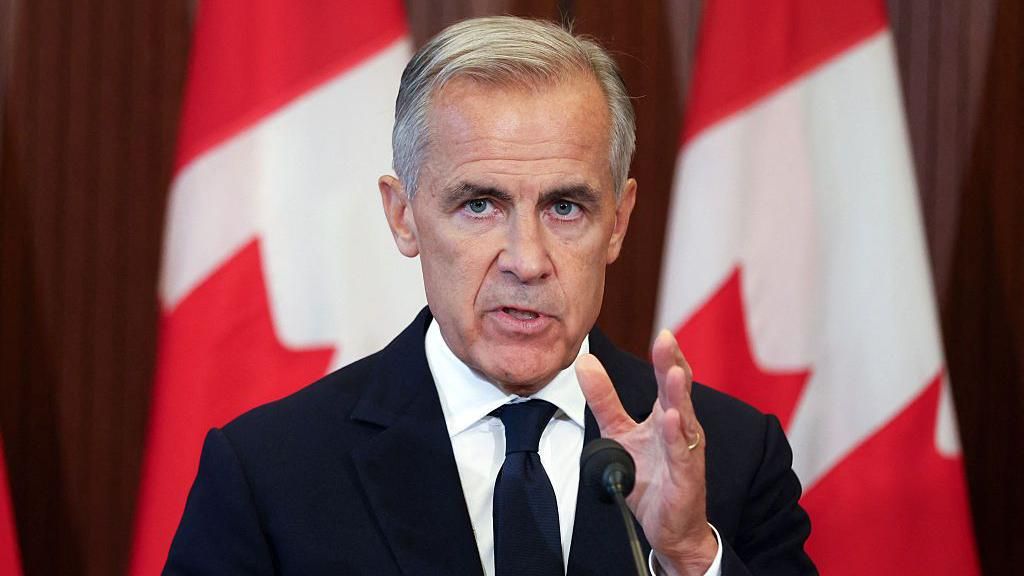
Canadian Prime Minister Mark Carney announced Saturday that Canada will implement retaliatory tariffs on U.S. goods after trade negotiations between the two countries collapsed late Friday. The prime minister stated that Canada would match U.S. levies "dollar-for-dollar" starting September 8, following the imposition of new 50% U.S. tariffs on various Canadian goods.
The breakdown followed more than a year of intermittent negotiations that intensified ahead of a U.S.-imposed deadline. Earlier this week, both nations expressed optimism about reaching an agreement; however, talks failed after both sides accused each other of introducing last-minute changes to previously discussed terms.
Carney stated he walked away from the negotiations because the U.S. terms were "unacceptable" and would have restricted Canada’s ability to sign trade deals with other nations. U.S. Trade Representative Jamieson Greer told Fox News that the U.S. had been willing to reduce some tariffs as part of the deal but accused Canada of making "new demands and walk backs." While U.S. President Donald Trump has not yet commented on the collapse, his administration previously declined to renew the United States-Mexico-Canada Agreement (USMCA) in its current form.
For the average household, these tariffs function as a tax on imported goods. Canadian consumers may notice price increases on U.S.-made appliances and electronics starting September 8, while U.S. consumers could see higher costs for Canadian-sourced vehicles, timber for home building, and food products. The "dollar-for-dollar" retaliation strategy means that for every dollar of tax the U.S. collects on Canadian imports, the Canadian government intends to collect an equivalent amount on American exports, potentially impacting the bottom line of small businesses and large manufacturers that rely on cross-border supply chains.
The failure to reach a deal also creates uncertainty for the future of the USMCA, the treaty that governs North American trade. Carney noted that the breakdown was "certainly not good news" for the pact, which Canada and Mexico recently sought to renew for 16 years. With U.S. Trade Representative Greer stating there are no current plans to resume talks, the 50% tariffs remain in place indefinitely. The next significant development is scheduled for September 8, when Canada's retaliatory levies are set to take effect, though the government stated it would release specific details of those counter-measures in the coming days.