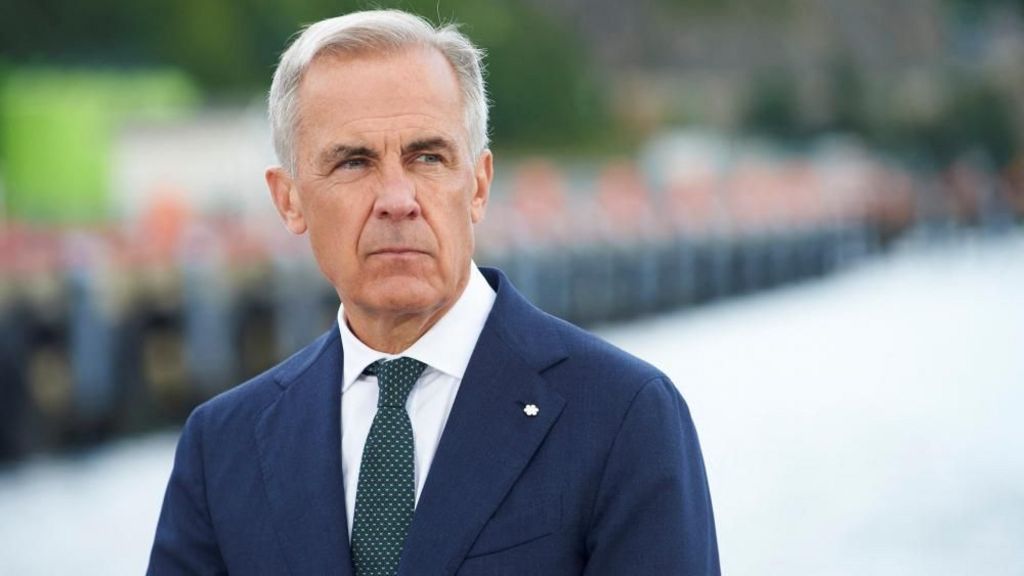
A new wave of U.S. tariffs on Canadian goods took effect Saturday following the collapse of trade negotiations between the two countries. Canadian Prime Minister Mark Carney announced the suspension of talks shortly before a Friday night deadline, stating that Canada will implement reciprocal "dollar for dollar" tariffs on U.S. products in response.
The breakdown follows intensive negotiations that began in July after President Donald Trump threatened a 50% levy on approximately $20 billion (C$28 billion) of Canadian imports. While the U.S. had briefly paused the tariffs earlier in the week citing progress toward a deal, Prime Minister Carney said last-minute changes to the proposed U.S. terms were "unfair" and "uneconomic," leading him to recall negotiators to Ottawa.
U.S. Trade Representative Jamieson Greer stated that Canada declined to finalize the agreement under terms previously discussed and introduced new demands that disrupted the negotiations. Prior to the breakdown, officials were reportedly discussing a deal to reduce U.S. tariffs on Canadian steel and aluminum from 50% to 25%, and on automobiles from 25% to 15%, in exchange for Canadian provinces restoring U.S. alcohol to retail shelves.
The scale of the dispute involves approximately $20 billion in Canadian imports and threatens a portion of the 13 million American jobs that the U.S. Chamber of Commerce states depend on trade under the U.S.-Mexico-Canada Trade Agreement. The U.S. Chamber of Commerce warned that these measures would disrupt supply chains and increase costs for U.S. families. In Canada, the immediate day-to-day change will likely involve retaliatory tariffs on U.S. goods, a move supported by Ontario Premier Doug Ford but one that U.S. Trade Representative Greer said the U.S. would "not tolerate."
What happens next remains uncertain as official negotiations are currently suspended. While a recent Abacus Data poll indicated that 36% of Canadians support retaliation and 30% favor continued negotiation, the U.S. has stated it will take further action if Canada implements counter-tariffs. The U.S. continues to seek concessions regarding Canadian dairy quotas and the removal of bans on U.S. alcohol sales, which were imposed by Canadian provinces last year. No dates for a resumption of talks have been announced.