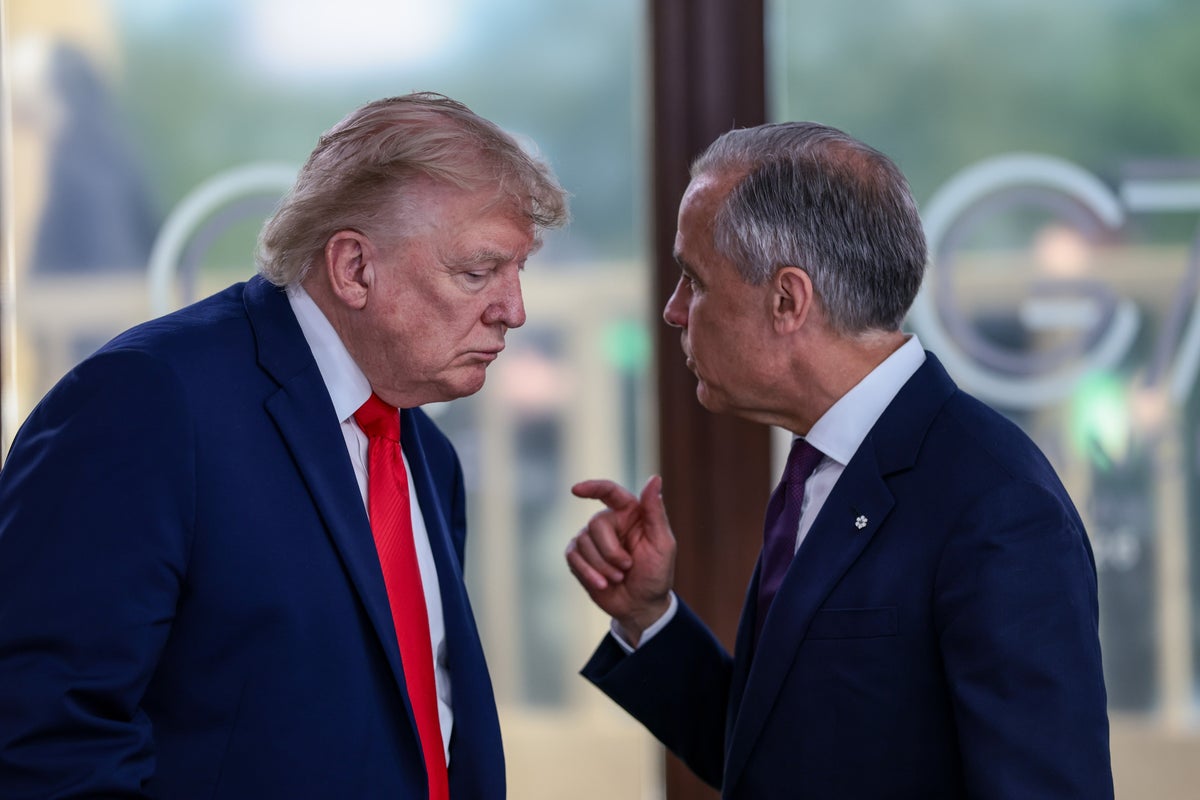
Canadian Prime Minister Mark Carney warned on Thursday, October 15, that some outside the country are seeking to "break us so they can own us." Speaking at a rally in Calgary, Carney urged voters in Alberta to reject a motion to direct the government to initiate legal procedures for potential separation in a referendum scheduled for Monday, October 19. The Prime Minister stated that foreign entities are working to break the nation apart at a time of global instability.
The referendum follows a period of trade tension between Canada and the United States, including comments from U.S. President Donald Trump suggesting Canada could become the 51st U.S. state. The vote in Alberta, which holds the world’s fourth-largest proven oil reserves, will determine whether citizens want to remain a province or direct the provincial government to begin legal procedures for a possible future vote on separation. Premier Danielle Smith, who called for the vote, has expressed support for remaining in Canada while seeking changes.
During his address to approximately 5,000 attendees at the BMO Centre, Carney acknowledged regional frustrations regarding federal resource policies. He highlighted his government's fast-tracked approval of the proposed Pacific Link pipeline to the Pacific coast as evidence of a renewed partnership with the province. Carney argued that the pipeline would support 140,000 jobs and that Canada must build economic resilience to reduce its reliance on the American market.
Opponents of the Prime Minister's message, including pro-independence organizers Tanya Clemens and Keith Wilson, characterized Carney’s commitments as insufficient. Wilson argued that the Prime Minister should repeal federal measures that he claimed could lead to taxes on oil exports. Clemens, co-chair of Let Alberta Decide, stated that the referendum serves as leverage for future negotiations with the federal government.
The referendum also influences the relationship between the Canadian federal government and its provinces, particularly concerning natural resource jurisdiction. A significant vote for the separation process would force the Liberal government under Carney to negotiate the terms of the federal union. This occurs against a backdrop of trade disputes with the United States, where the potential for new tariffs or export taxes remains a concern for Canadian energy producers and federal policymakers alike.
What happens next: Advance voting for the referendum is scheduled to conclude on Saturday, October 17. The final vote will take place on Monday, October 19. Prime Minister Carney is scheduled to hold a second rally in Edmonton on Friday, October 16, as part of the "Forever Canadian" campaign. The results of the Monday vote will determine whether the Alberta government is directed to begin the formal legal process required to explore future independence.