A growing number of candidates in the 2026 midterm election cycle are opting out of televised debates, according to an analysis of Senate and gubernatorial races. Eighteen of 35 Senate contests and 12 of the 36 gubernatorial races did not feature a debate between the major party candidates.
Strategists from both parties attribute the decline to the high risks associated with viral social media clips and the lack of perceived benefit for incumbents or frontrunners. Democratic strategist Chuck Rocha stated that while candidates rarely win a race during a debate, they can "certainly lose one" through unscripted mistakes. Republican strategist Terry Sullivan noted that candidates are often focused on avoiding a "5% mistake."
In previous cycles, debates were more frequent in competitive races. According to data from the Cook Political Report cited in the analysis, all toss-up Senate races in 2016, 2018, and 2020 featured debates. By contrast, two of the five races currently rated as toss-ups by CBS News—Ohio and Texas—do not have debates scheduled. Candidates who have declined to participate, such as Arizona Governor Katie Hobbs (D) and Ohio gubernatorial candidate Amy Acton (D), cited concerns over "political soundbites" or a lack of civil dialogue.
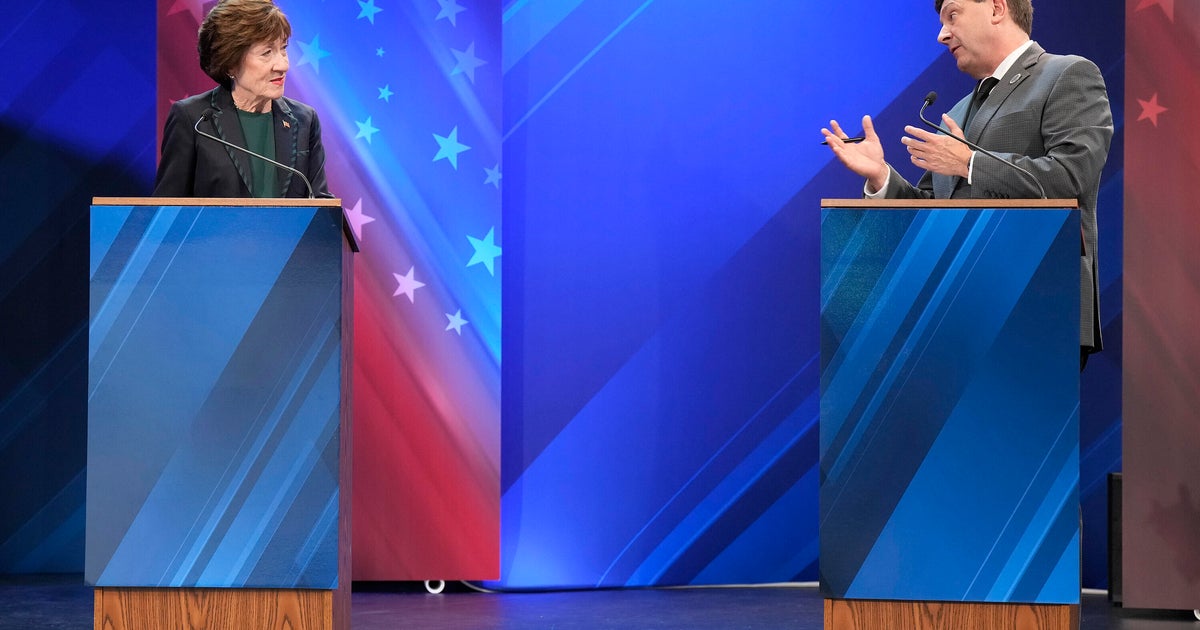
In races where debates did occur, exchanges often became personal and quickly spread online. During the Maine Senate debate on Oct. 15, Democratic nominee Troy Jackson told incumbent Sen. Susan Collins (R-ME) to "shut up" following an accusation about a protester. In Michigan, candidates Mike Rogers (R) and Abdul El-Sayed (D) exchanged accusations regarding extremism and a relative's business ties. Purdue University professor Kathryn Cramer Brownell noted that social media has shifted the focus of debates to filtered, partisan clips.
This trend affects voters in at least 30 states where major-party candidates for top offices did not appear on a stage together. In 18 Senate races and 12 gubernatorial races, residents lost the opportunity to compare candidates' temperaments and policy platforms side-by-side without the filter of campaign advertisements or partisan media. In Texas, where the Senate race is on track to be the most expensive in history, voters did not see a head-to-head exchange between Republican Ken Paxton and Democrat James Talarico, despite Talarico's offers to debate.
The shift changes the experience of the election cycle for voters, who must now rely on solo town halls, press releases, or social media to evaluate candidates. For example, in Alabama, voters saw two separate events: a campaign appearance by Sen. Tommy Tuberville (R) and a solo "debate" by former Sen. Doug Jones (D), where he played video clips of his opponent. This lack of direct interaction means candidates can more easily avoid answering for past actions or specific policy proposals, such as Paxton's history of legal issues or Hobbs' legislative record, according to statements from their respective opponents.
This movement could diminish the role of non-partisan debate commissions and local news outlets that traditionally host these events. If major candidates continue to find debates "low-reward," the practice may be reserved only for challengers who lack name recognition. The success or failure of candidates who skipped debates may determine whether this strategy becomes a permanent fixture in American campaigning. Currently, candidates in several states are holding individual town halls or using social media as alternatives as the election deadline approaches.