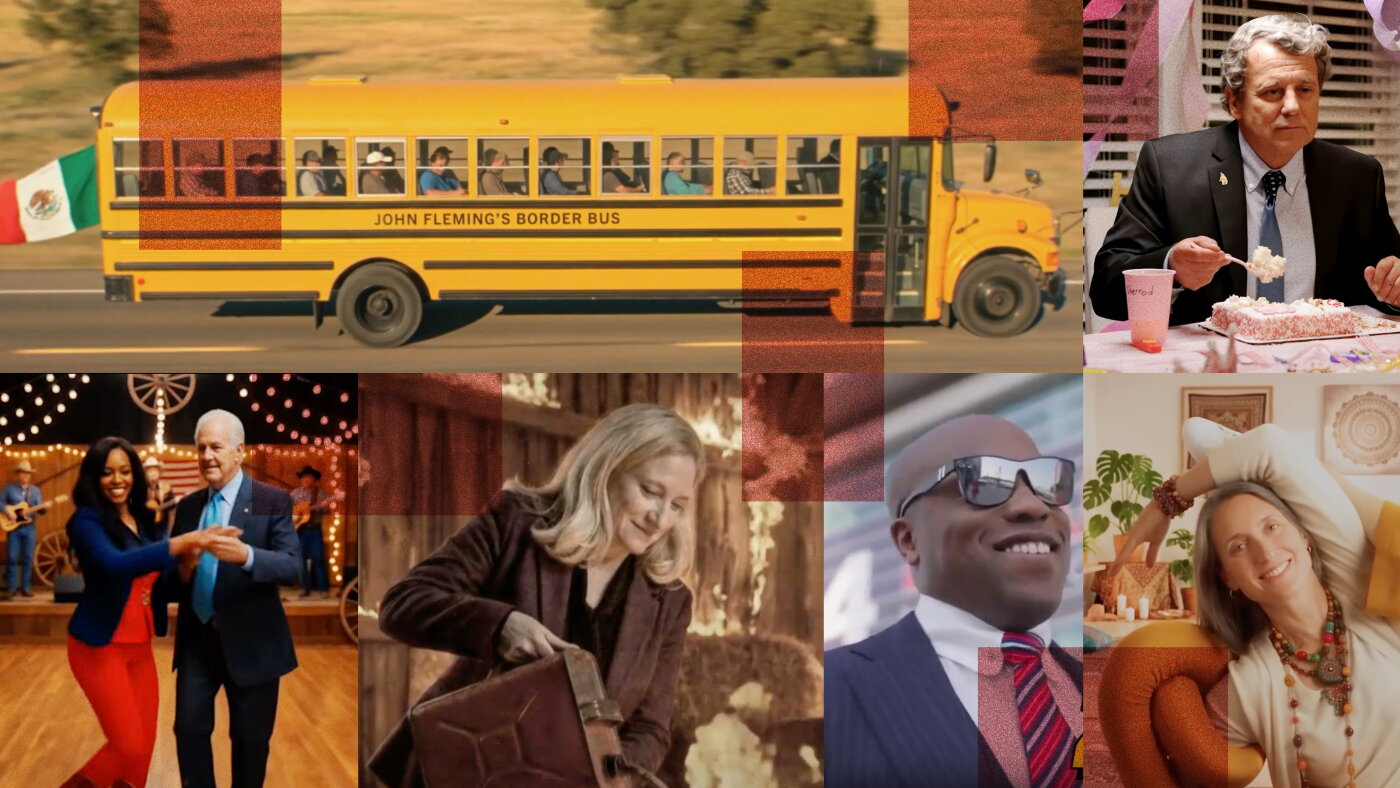
Candidates and political organizations are using artificial intelligence to produce campaign advertisements for the 2026 midterm elections. Data from the Wesleyan Media Project indicates that at least 164 political ads nationwide have been produced or enhanced by AI so far this year. While some of these ads have appeared in races for the U.S. Senate and mayoral offices, many are surfacing in local and down-ballot contests.
The trend follows the 2024 election cycle, where experts initially expressed concern that AI would be used to create deceptive "deepfakes." In response, 31 states passed legislation either prohibiting deepfakes or requiring AI disclosures. Scott Babwah Brennen, director of the Center on Technology Policy at New York University, stated that while widespread deceptive deepfakes have not materialized, campaigns are instead using the technology for satire and parody, similar to digital political cartoons.
In North Carolina, Republican state Sen. Michael Lee released an ad featuring an AI-generated version of his opponent, Democrat Jessica Bichler, contorting into impossible shapes while the ad critiqued her policy positions. Lee’s campaign included a disclaimer noting the use of AI and stated that voters are capable of identifying parody. Bichler issued a cease-and-desist letter regarding the ad's characterization of her stances, though she noted that some supporters were confused by the video.
Other examples of AI usage include an ad by Texas Republican Senate candidate Ken Paxton showing his opponent, Democrat James Talarico, reading from a Bible. Talarico described the ad as deceptive. In Ohio, an ad depicted Democratic U.S. Senator Sherrod Brown overstaying his welcome at a party. Michael Franz of the Wesleyan Media Project noted that AI is being adopted because it allows campaigns to enhance visual content at a relatively low cost compared to traditional production methods.
The National Conference of State Legislatures reports that 31 states now have laws regulating this content. According to the Wesleyan Media Project, at least 164 ads have utilized AI enhancement this year. For a voter, this means political content appearing in social media feeds or on television may feature lifelike images or videos of candidates performing actions that never occurred in reality.
The lifelike quality of AI can lead to confusion. Jessica Bichler reported that constituents questioned how an opponent gained access to her private business premises based on AI-generated footage. As the technology becomes cheaper and more accessible, voters in local and down-ballot races are likely to see these digital parodies in their local media markets leading up to the November elections.
The use of AI sets a precedent for how political satire is delivered, moving from static cartoons to synthetic video. This shift forces campaigns to decide whether to adopt the technology, while legal teams must navigate state-level disclosure requirements. Potential litigation may occur over how AI-generated figures represent a candidate's platform. What happens next depends on the outcomes of the 2026 midterms and whether existing state laws are sufficient to manage voter confusion, with the November 3, 2026, election date approaching.