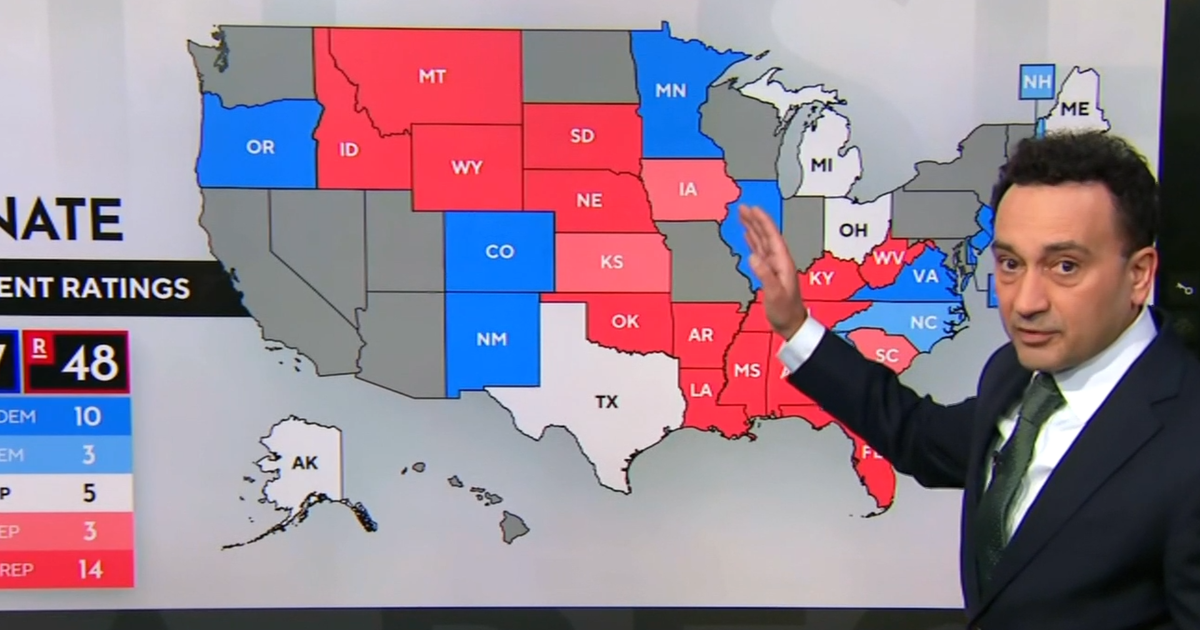
Public officials and candidates made final campaign appearances over the weekend of November 1, 2026, as the United States prepared for midterm elections. President Donald Trump and various congressional candidates held rallies across several states, while representatives from both parties discussed economic policy, election integrity, and internal party divisions during televised interviews.
The campaign efforts follow a month in which President Trump held dozens of in-person and tele-rallies. According to broadcast reports, more than 52 million votes have already been cast ahead of Election Day. The results of these contests will determine the balance of power in Washington D.C., with several high-profile races in Michigan, Texas, Alaska, and New York remaining closely contested.
In Michigan, Sen. Bernie Sanders (I-VT) defended senatorial candidate Abdul El-Sayed against criticisms from fellow Democrats and Republicans. Rep. Haley Stevens (D-MI) expressed misgivings about El-Sayed’s campaign ads and views on Israel, while Sen. Ted Cruz (R-TX) and President Trump questioned El-Sayed's fitness for office. Sanders characterized the Republican rhetoric as racist and noted that El-Sayed has disavowed alleged ties to the Muslim Brotherhood.
In New York, Rep. Mike Lawler (R-NY) defended his record in a closely watched district, citing bipartisan legislation and constituent services. He responded to allegations regarding his ties to Elon Musk, whose political action committee has provided financial support for his campaign. Lawler also alleged that Democratic groups were violating election laws in his district, a claim he said is under investigation by the FBI and the Department of Justice.
The scale of the election is reflected in the 52 million early votes already cast and the tens of millions of voters expected to participate on Election Day. In individual states, the impact is more localized; for example, Gov. Josh Shapiro (D-PA) addressed claims by the Department of Homeland Security that as many as 14,576 noncitizens could be registered to vote in Pennsylvania. While Shapiro stated the administration provided no evidence to back the claim, the resolution of such disputes affects the certification of results and public trust in the 2026 electoral process.
A person's day-to-day experience after the election would be influenced by the winning party's approach to the "affordability crisis" cited by candidates from both sides. This includes potential changes to tax codes, housing supply legislation, and energy permits that affect the price of groceries, gas, and rent. In Alaska, a dispute over the U.S. Senate race involves allegations of ballot stacking, which could lead to a legal challenge by the Justice Department. Following the close of polls on Tuesday, the next steps include the tabulation of remaining ballots, state-level certifications, and potential court dates to resolve contested results.