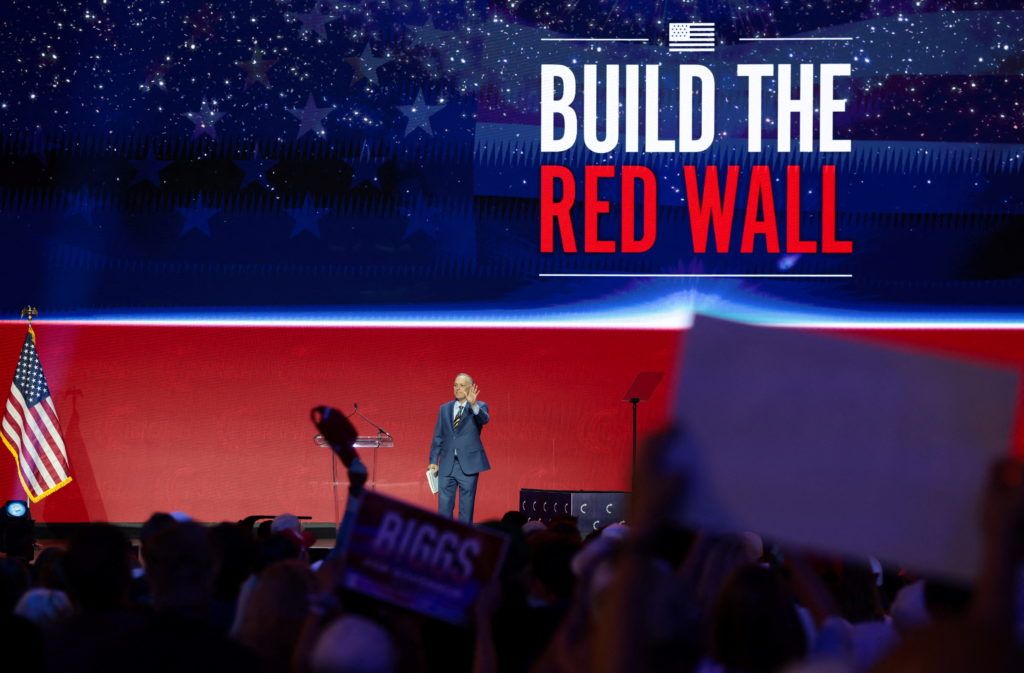
Republican candidates who have questioned the legitimacy of the 2020 election are appearing on ballots for key offices in several battleground states. These individuals are seeking statewide positions that hold authority over the management of future elections.
The presence of these candidates follows the 2020 presidential election and subsequent challenges to its results. White House correspondent Liz Landers reported Tuesday on the potential impact these candidates could have on the administration and certification of voting processes if they are elected.
The candidates are running for offices including governor and secretary of state. These roles typically oversee voting procedures, the maintenance of voter rolls, and the formal certification of election tallies. The specific names of the candidates and the exact number of individuals running for these offices were not reported in the segment.
For an individual voter, the effects of these elections would be noticed in the day-to-day mechanics of participating in democracy. This includes the availability of polling places, the rules governing mail-in ballots, and the specific procedures used to verify and count votes. Changes to these administrative rules can alter how long a person waits in line to vote or the requirements for a ballot to be considered valid. These changes would likely become evident during the next major election cycle following the seating of new officials.
The knock-on effects could influence the legal and procedural precedents for future election disputes and the coordination between state and federal election authorities. Decisions made by these officeholders can set the stage for how states interact with the Electoral College and federal oversight agencies. What happens next depends on the results of the upcoming general elections in these battleground states. The specific dates for these elections and the subsequent inauguration of winners were not reported.