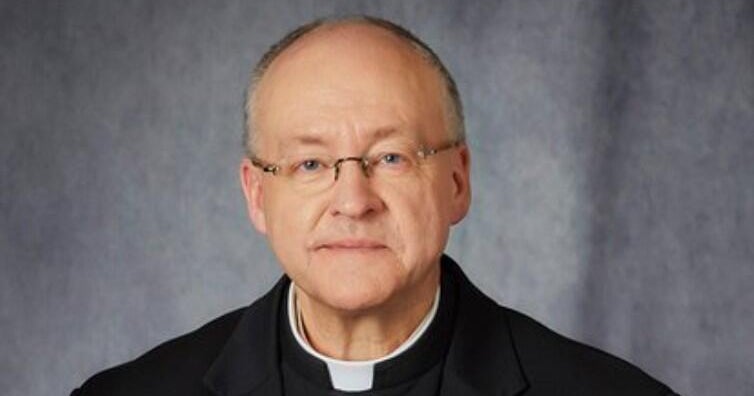
Two Catholic bishops have expressed regret over participating in a White House meeting that resulted in the public release of images showing them in prayer with President Donald Trump. Milwaukee Archbishop Jeffrey Grob and Des Moines Bishop William Joensen stated that the encounter, which took place on a Thursday, was intended to be a private discussion on policy issues but was publicized by the administration without their consent. The images and video were released less than two weeks before the midterm elections.
The meeting followed invitations extended in September to discuss immigration enforcement, religious worker visas, abortion, and federal tax credits for private education. Grob and Joensen both stated they were told the session would be private and might include an opportunity for prayer with the president. Grob noted that 12 bishops in total attended the meeting, which he emphasized was not an endorsement of the president or his political party.
Archbishop Grob issued a statement titled "A Public Apology," reporting that he received distraught feedback from congregants who felt the images were used for political purposes. Bishop Joensen also issued a statement, writing that he felt the meeting was exploited for partisan reasons. When asked if the White House had obtained consent to release the materials, spokesperson Taylor Rogers declined to answer directly, stating instead that Trump has been a great president for Catholic Americans.
The event prompted concern among some Catholic congregants, particularly those in the Milwaukee and Des Moines dioceses. According to the bishops, the release of these materials occurred less than 14 days before a national election, creating what they described as a public perception of political endorsement.
For church members, the impact included a sense of "pain" or being "wounded," as reported by Grob, particularly among families who say they have been affected by the administration's policies. The incident highlights differing views within the U.S. Conference of Catholic Bishops regarding the administration. While some leaders, such as Bishop Robert Barron, have served on an administration commission, others have denounced specific policies as running counter to Catholic teaching.
The bishops indicated they would seek to be more prudent in future engagements with political leaders at all levels. No further meetings or specific policy changes resulting from this session were reported by the sources. The White House has not clarified its future protocol for religious meetings.