Federal health officials announced Wednesday that a cyclospora outbreak linked to iceberg lettuce has expanded to 15 states. The Centers for Disease Control and Prevention (CDC) added Arkansas, Iowa, Missouri, Nebraska, New Hampshire, and North Carolina to the list of affected areas, joining nine states previously identified in the investigation.
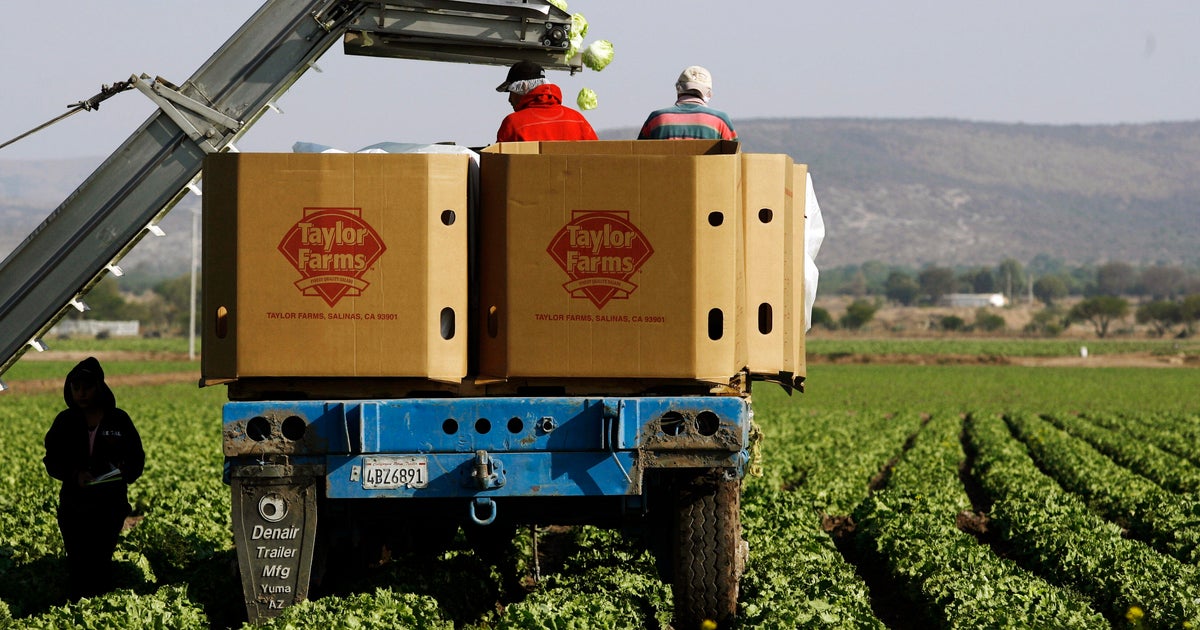
The investigation into the source of the parasite has centered on shredded iceberg lettuce from Taylor Farms locations in central Mexico. While the Food and Drug Administration (FDA) initially reported a false positive test result for a sample from the company last month, the agency clarified the following day that evidence continues to point toward Taylor Farms as the source. The company has since recalled iceberg lettuce grown in that region.
Cyclospora is a microscopic parasite that infects the bowels, typically causing symptoms such as watery diarrhea and explosive bowel movements. Health officials noted that Michigan has been the most heavily impacted state, reporting more than 12,000 cases and two deaths. Nationally, the total number of cases this year has reached over 25,000, which surpasses the previous record of approximately 4,700 illnesses reported in 2019.
For the average person, this outbreak translates to a risk of severe gastrointestinal illness that can be difficult to diagnose and trace. A person who consumes contaminated lettuce may not experience symptoms for several weeks, and the CDC notes it can take up to six weeks for officials to confirm if a specific illness is part of a larger outbreak. This delay in reporting and the complexity of laboratory analysis for cyclospora mean that consumers may notice the effects on their health long after the initial exposure. Additionally, public health officials have cited staffing cuts at local, state, and federal levels as a factor that may limit the capacity to quickly contain such outbreaks.
The current situation sets a precedent for how federal agencies handle conflicting test results, as seen with the FDA's initial report of a false positive at Taylor Farms. The knock-on effects include a broader strain on the healthcare system, particularly in states like Michigan, and increased scrutiny of produce imported from central Mexico. What happens next depends on the FDA's ongoing monitoring of five separate cyclospora outbreaks. While Taylor Farms has issued a recall, health officials warned that it is not yet clear if the outbreak is under control or if other types of produce may be involved. Missing from the report are specific deadlines for the conclusion of the investigation or a timeline for when the recall might be lifted.