Data from the Centers for Disease Control and Prevention (CDC) shows that the United States has recorded 2,566 measles cases so far in 2026, marking the highest number of infections in more than 30 years. The figure, updated through mid-August, already exceeds the 2,289 cases reported during all of 2025.
The U.S. has maintained an official measles elimination status since 2000, but health officials stated that ongoing outbreaks have put that designation at risk. Measles is a highly contagious respiratory disease that can lead to severe complications, including lung and brain infections, cognitive issues, deafness, or death. While the virus was largely controlled for decades, cases have fluctuated, with a notable previous peak of 1,274 cases in 2019.
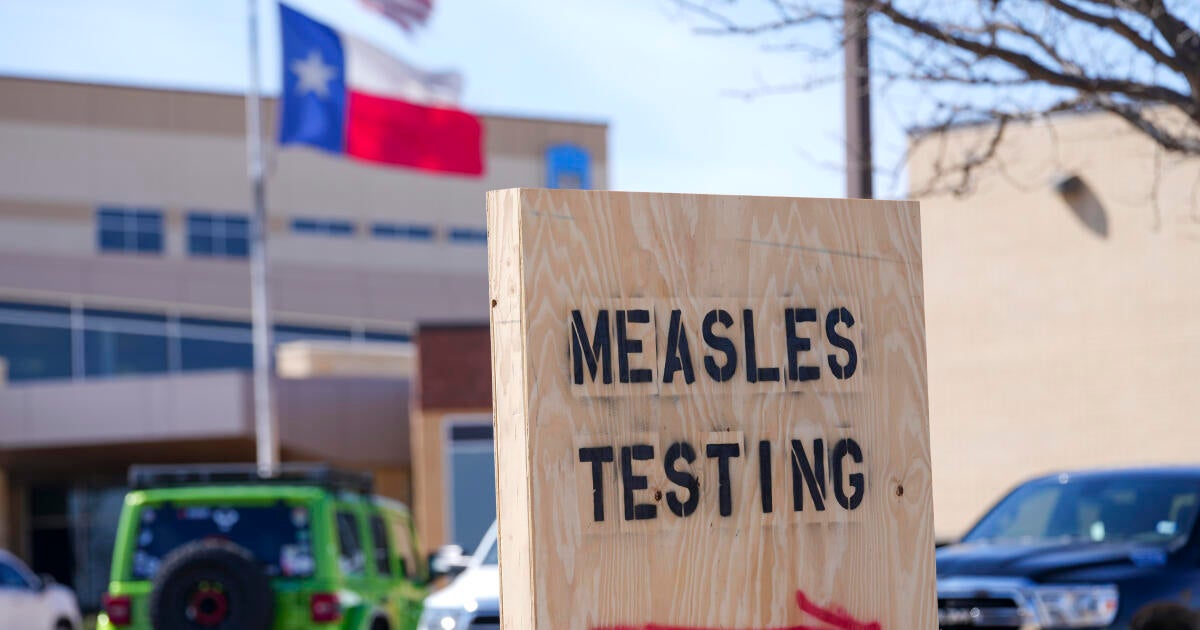
CDC data indicates that the majority of current cases occur among individuals who have not been vaccinated. In 2025, more than 750 cases were linked to a single outbreak in West Texas, which resulted in the deaths of two unvaccinated children. Health experts attribute the rise in preventable infections to declining vaccination rates, noting that only 92.5% of kindergartners were vaccinated against measles in the 2024–2025 school year, down from 95.2% in 2019–2020.
The scale of the increase is significant: the 2,566 cases reported so far in 2026 represent a more than 100% increase over the 1,274 cases seen in 2019, which was the previous recent high. For households, this trend translates to a heightened risk of medical costs and time away from school or work due to quarantine requirements or illness. While the source does not provide specific dollar amounts for individual medical bills, it notes that severe cases can lead to lifelong health changes like deafness or cognitive impairment.
The knock-on effects of these outbreaks include potential changes to national public health policy and the possible loss of the nation’s 26-year "elimination" status. Dr. Jay Bhattacharya, director of the National Institutes of Health, recently stated that standard childhood vaccinations are "very important" for children's health. What happens next depends on the CDC's weekly data releases, which occur every Friday. These preliminary counts will continue to be updated as state health departments report new confirmed cases throughout the remainder of 2026.