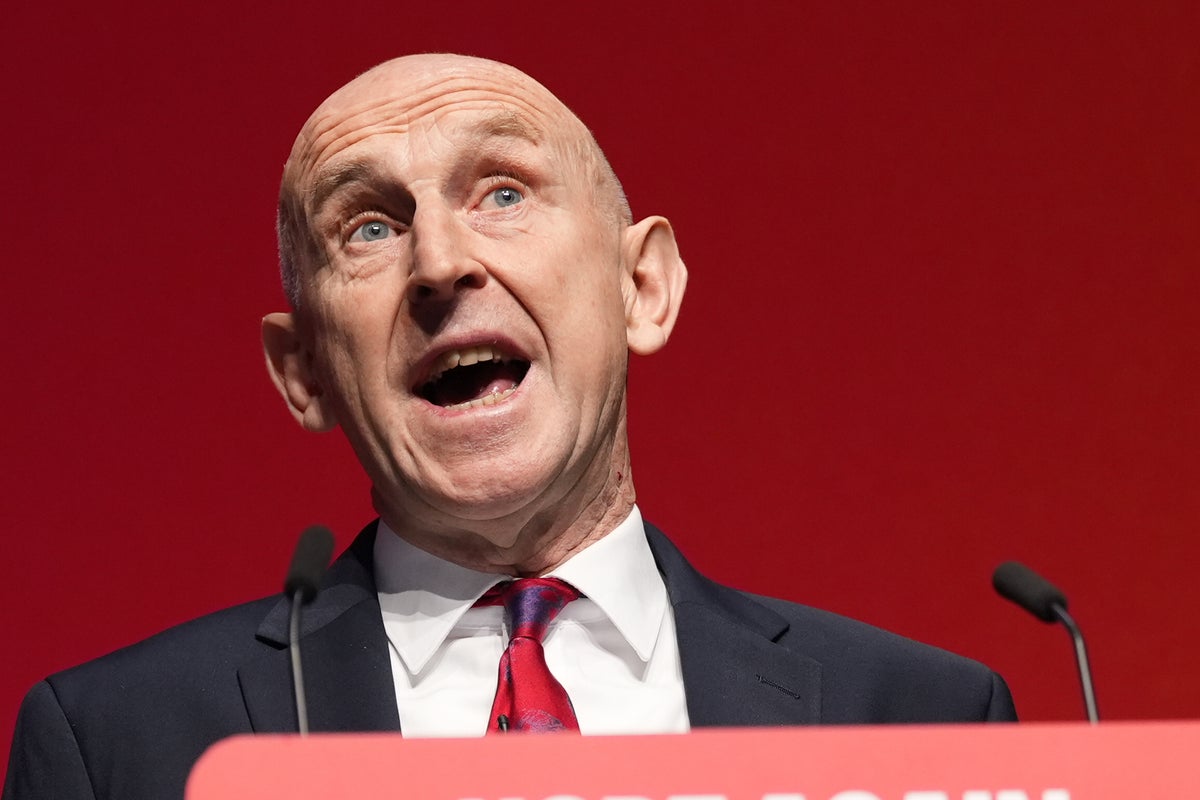
Chancellor John Healey is scheduled to deliver his first Budget on October 28, 2026. The statement is expected to address government fiscal priorities including military spending, welfare reform, and support for households facing rising energy costs. Prime Minister Andy Burnham has indicated that the government is reviewing various measures to manage public finances while funding recent policy pledges.
The Budget follows a period of increased pressure to address the cost of living. Mr. Burnham has previously reduced VAT on electricity bills, and the government is now considering additional support ahead of a scheduled energy price cap increase in January. Mr. Healey stated on October 15, 2026, that the government intends to provide "breathing space" for both businesses and households in response to current energy costs.
Tax policy is expected to be a central component of the statement. Reports indicate a potential crackdown on online retailers to ensure marketplaces like Amazon and eBay collect VAT from foreign sellers, a move projected to raise approximately £1bn. Additionally, the government is detailing the "Your First Home" scheme, which would allow first-time buyers to access mortgages with a 2.5% deposit and a 20% loan for the property value.
Higher-value property owners may see a rise in their tax obligations. Plans introduced by the previous chancellor for a "mansion tax" on properties worth over £2m are reportedly being considered for expansion. If the threshold is lowered to £1.5m, the number of affected properties would nearly double from 123,000 to approximately 245,000, with annual charges reaching up to £7,500. Additionally, the financial services sector is advocating against a proposed windfall tax on banks. The Confederation of British Industry and UK Finance have argued that banks already pay a 3% corporate tax surcharge and a bank levy, and further hikes could impact their international competitiveness.
The Budget must also address a £5bn funding requirement for the Defence Investment Plan announced in May. While the Prime Minister has suggested that welfare bill reductions could be achieved by supporting more people into work, he has ruled out "crude cuts" to benefits. Following the October 28 delivery of the Budget, the next major fiscal deadlines include the scheduled rise in fuel duty and the energy price cap adjustment on January 1, 2027, followed by the proposed implementation of property tax surcharges in April 2028.