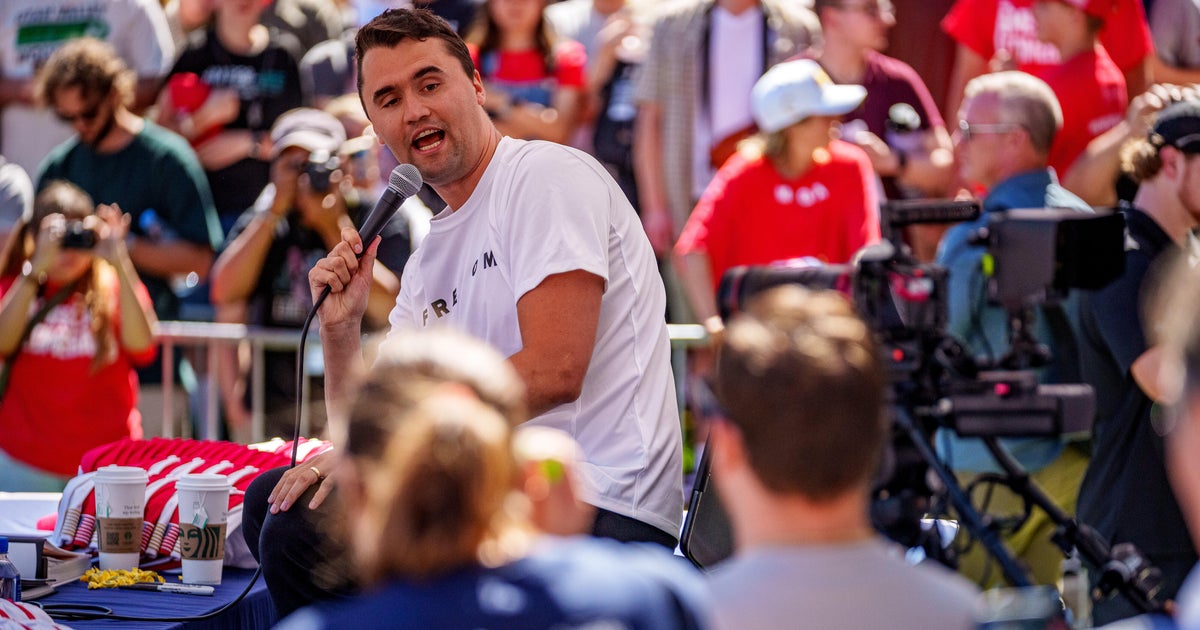
The family of conservative activist Charlie Kirk filed a wrongful death notice on Wednesday, September 16, 2026, alleging that Utah officials failed to prevent his assassination. The notice, a required step under state law before filing a lawsuit, names Utah Valley University (UVU), former university president Astrid Tuminez, the campus police department, Police Chief Jeffrey Long, and the state of Utah. The filing claims Kirk's death resulted from reckless decisions regarding event security.
The legal action follows the September 10, 2025, shooting of the 31-year-old Kirk during an outdoor student debate at the UVU campus in Orem. Kirk was shot from a rooftop more than 400 feet away while approximately 3,000 people were in attendance. Attorneys for the family, led by D. Loren Washburn, argued that the university failed to implement safeguards, including bag checks, metal detectors, and drone monitoring of nearby rooftops.
According to the notice, campus police staffing was below recommended levels, and officials failed to coordinate with local law enforcement or establish a secure perimeter. The document also states that no first responders were immediately available after the shooting, requiring Kirk to be transported to a hospital in a private vehicle instead of an ambulance. Chief Long previously stated that six officers staffed the event alongside Kirk’s eight-person private security team. The university has since announced plans to expand its police force.
Tyler Robinson, a Utah resident, is charged with aggravated murder in the case and could face the death penalty if convicted. Prosecutors alleged that Robinson targeted Kirk due to his political beliefs and presented evidence including surveillance video, DNA linking him to a rifle, and a handwritten note. On September 1, a judge ordered the case to proceed to trial, though a specific date has not been set. The Utah Attorney General’s Office declined to comment on the potential litigation.
For the public, particularly students and visitors at Utah public universities, the case highlights potential shifts in campus security protocols. Following the shooting, UVU announced an expansion of its police force, which may result in increased security presence, different event entry procedures, or changes in how campus resources are allocated for public gatherings. The family's attorney argued that the 2024 attempted assassination of Donald Trump should have served as a precedent for rooftop security, suggesting that future public events may face more stringent surveillance and perimeter requirements.
The case also sets a potential precedent for the liability of public institutions during high-profile political events. The legal proceedings will test the extent to which a university is responsible for protecting speakers from third-party violence. With the criminal trial of Tyler Robinson moving forward and the window now open for a formal civil lawsuit, these proceedings will determine both criminal culpability and civil liability. The next steps involve the state's response to the notice and the scheduling of a trial date for Robinson.