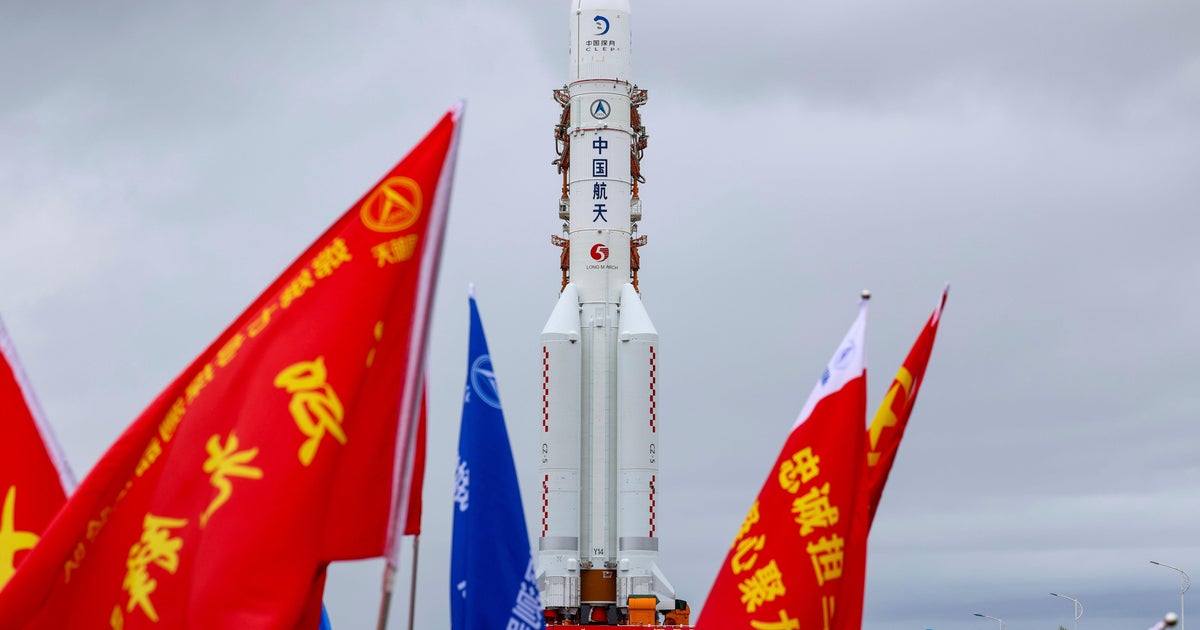
The China Manned Space Agency announced on Sunday that it is postponing the Chang'e-7 lunar mission, stating the spacecraft did not meet the necessary launch conditions. The mission, which was scheduled to lift off from the Wenchang Space Launch Site on Hainan Island, will no longer take place during its planned window this year.
The decision followed what officials described as a "comprehensive assessment" based on the principles of "prudence, reliability and absolute mission success." Agency officials did not provide specific details regarding the technical or environmental factors that prevented the launch. The Chang'e-7 mission was designed to explore the lunar south pole and search for water ice within permanently shadowed craters.
This postponement follows several weeks of site preparations at Wenchang for what would be the seventh mission in China’s lunar exploration program. According to the state-run Xinhua news agency, the mission was intended to achieve breakthroughs in key space technologies and conduct environmental and resource surveys. Previous successes in the program include the Chang'e-6 probe, which in 2024 became the first to return rock and soil samples from the far side of the moon.
For international observers and space agencies, the delay represents a shift in the schedule of lunar exploration. The mission's focus on water ice is a critical component for future sustained presence on the moon, as water can be processed for life support and fuel. The Chang'e-7 mission was expected to provide data on whether these resources are accessible in the moon's southern regions, information that would be used by future missions to plan lunar habitats or refueling stations.
The next steps for the mission remain unclear, as the China Manned Space Agency did not provide a new launch date or a revised timeline for when the mission might meet launch conditions. While China works to reschedule this mission, other international efforts continue, including NASA's Artemis II mission, which recently completed a flight around the moon. The Chinese agency stated only that the mission cannot occur within the current year's window, leaving the specific duration of the delay unknown.