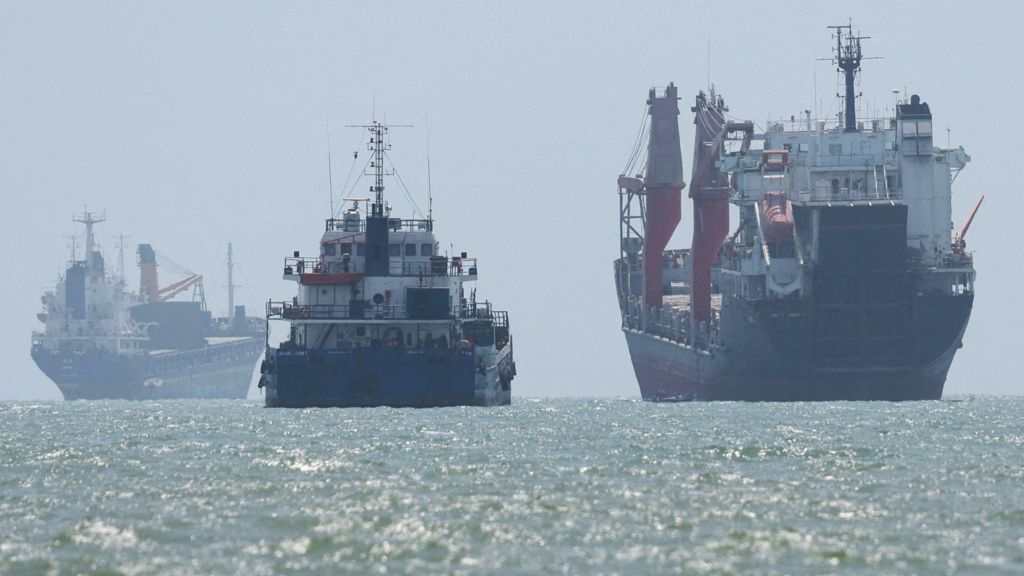
The United States government announced a plan on Monday to expand economic sanctions against Iran and any nations that continue to conduct business with Tehran. U.S. Treasury Secretary Scott Bessent characterized the move as a significant financial offensive intended to isolate the Iranian regime's revenue sources. In response, China’s foreign ministry stated it would take necessary measures to protect its interests, describing the U.S. actions as illegal unilateral sanctions.
The new measures, referred to by the U.S. Treasury as "Operation Economic Outcast," follow the expiration of a 60-day ceasefire in the six-month-old Iran war. The conflict and subsequent naval blockades have restricted traffic through the Strait of Hormuz, contributing to global oil price increases. While Iran is already subject to heavy U.S. sanctions, Secretary Bessent stated the new package targets approximately 60 entities, individuals, and vessels identified as facilitators for Iranian oil trade evasion.
China currently serves as the largest purchaser of Iranian oil, with approximately 90% of Iran's energy exports directed to Chinese markets. Foreign ministry spokesman Lin Jian stated that trade between China and Iran follows international law and should not be disrupted. Meanwhile, Iranian Economy Minister Ali Madanizadeh said Tehran has developed a two-year plan to manage the economic impact and is prepared to counter the U.S. measures.
For individual businesses and financial institutions, the policy means a choice between maintaining access to the U.S. financial system or continuing trade with Iran. While the U.S. has not specified the exact dollar amount of revenue it intends to block, the measures are designed to halt the flow of Iranian oil, which currently supplies a significant portion of the energy needs for the world's second-largest economy. Analysts from Capital Economics noted that because China has historically not recognized unilateral U.S. sanctions, the immediate impact on Iranian energy flows may be limited.
The policy sets a precedent for U.S. diplomatic interactions, as President Donald Trump is expected to contact world leaders with specific requests to cease interactions with the Iranian government. The expansion of these sanctions occurs just before a scheduled meeting between President Trump and Chinese President Xi Jinping next month. This development could influence future trade negotiations, particularly regarding rare earth minerals, as China previously tightened export controls on these critical high-tech components in response to trade tensions. Beyond China, the measures may also affect trade partners such as India, Russia, Turkey, Iraq, and Pakistan.