China’s National Bureau of Statistics reported on Wednesday that the nation’s economy grew at an annualized rate of 4.3% in the second quarter of 2026. This figure marks the slowest quarterly growth since late 2022 and fell below the 5% growth rate recorded in the first quarter of the year. The total economic growth for the first half of 2026 reached 4.7%.
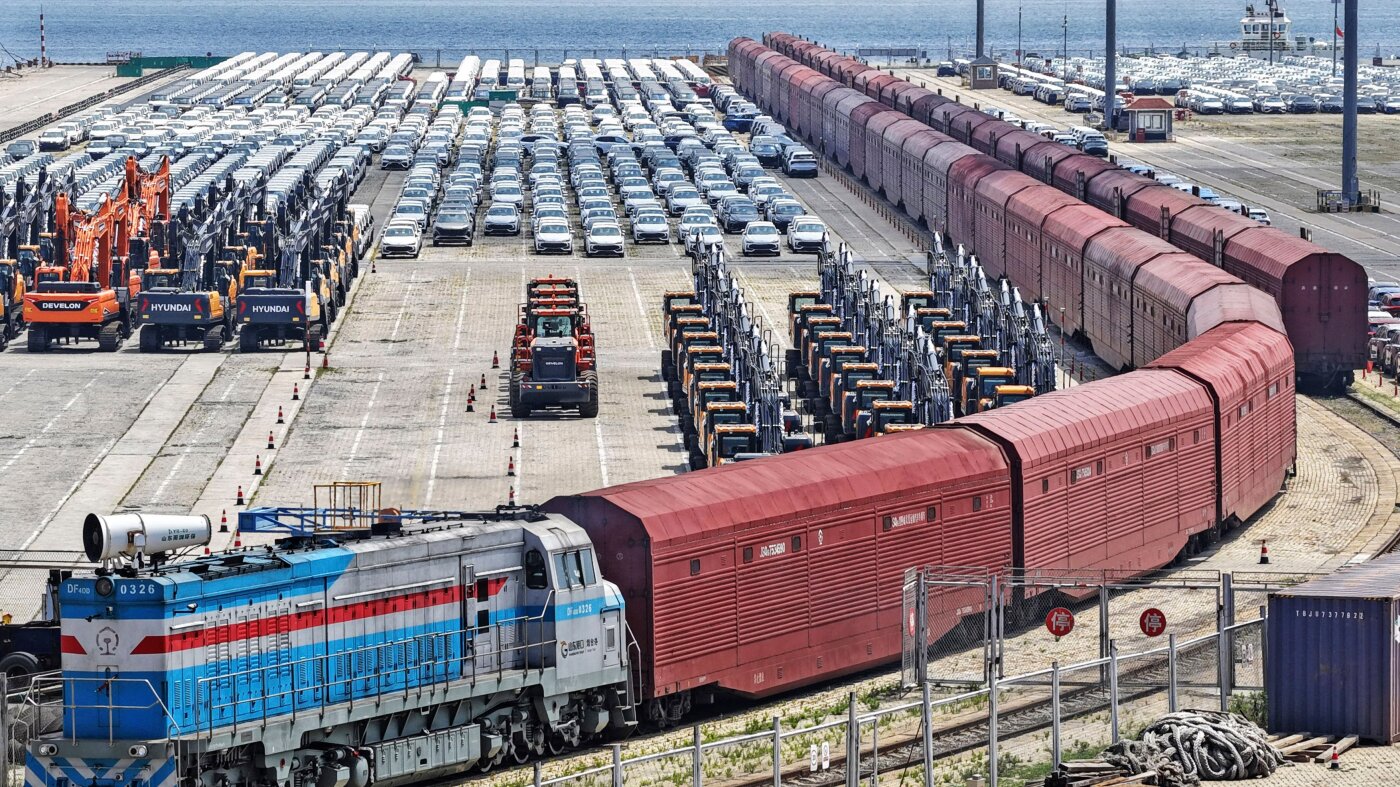
The report detailed a divergence between industrial production and domestic consumption. Exports rose 17.6% in the first half of the year, supported by demand for electric vehicles and artificial intelligence technology. However, domestic indicators remained lower, with retail sales rising 1.3% and fixed-asset investment falling 5.7% during the same period. Housing prices also continued to decline.
Government officials and economists attributed the trend to an imbalance between supply and demand. Mao Shengyong, deputy head of the National Bureau of Statistics, stated that the government would focus on building a robust domestic market to stabilize employment. Meanwhile, analysts from ING Bank and Cornell University noted that heavy state investment in high-tech sectors has not yet offset the impact of the prolonged property slump and cautious consumer spending.
For the full year of 2026, Chinese leadership has set a growth target of 4.5% to 5%. The International Monetary Fund recently adjusted its annual forecast for the country to 4.6% growth, citing potential long-term slowdowns as the economy transitions toward high-tech manufacturing.