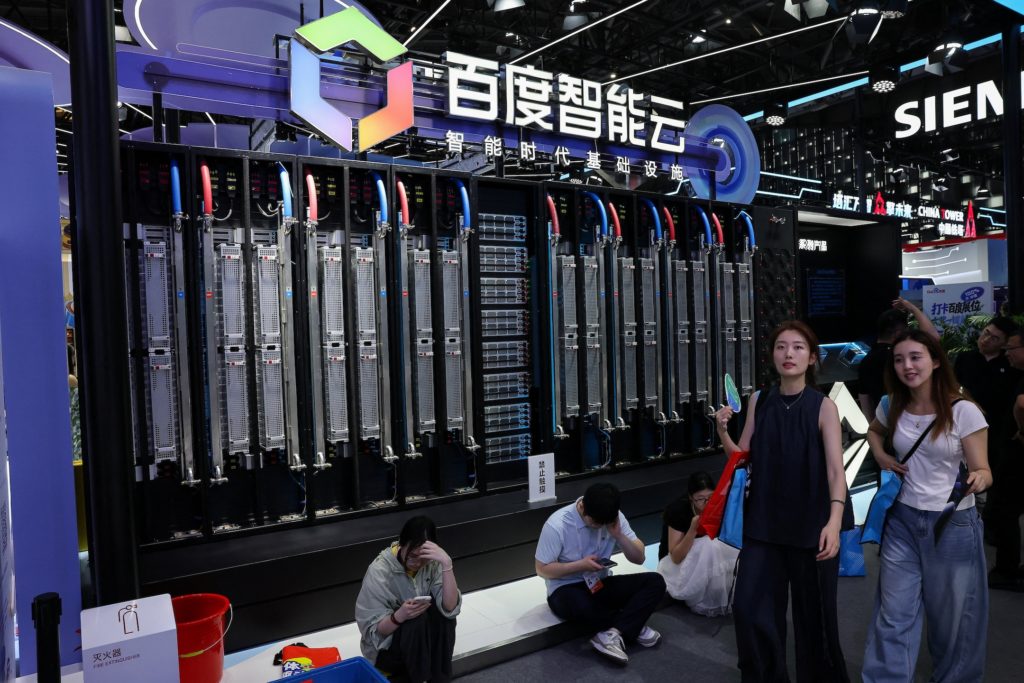
Chinese technology firms Moonshot AI and Alibaba recently released new artificial intelligence models that demonstrate performance levels comparable to leading American systems. These "open-weight" models are free for public use and require significantly less financial investment to operate than models developed by U.S.-based companies such as OpenAI and Anthropic. According to Amrith Ramkumar of The Wall Street Journal, Chinese engineers have maintained this pace of development by using "distillation" techniques—training their systems based on existing U.S. models—and utilizing hardware workarounds to bypass current export restrictions on advanced semiconductors.
The development has prompted debate within the U.S. government and the technology sector regarding competition and national security. Some executives from American AI companies have requested that the White House restrict access to Chinese AI models, citing concerns about safety safeguards and a lack of regulatory oversight. Conversely, other members of the Silicon Valley technology community argue against government intervention, suggesting that U.S. companies should instead compete by developing their own open-source models.
In response to the narrowing technology gap, the White House announced a plan to redirect billions of dollars in federal funding to accelerate domestic innovation. The policy shifts financial support from large universities toward individual researchers. Additionally, administration officials confirmed they are considering further trade actions, such as placing specific Chinese companies on trade blacklists. These potential restrictions could affect U.S. businesses, including firms like Airbnb, that have begun incorporating Chinese AI models into their operations to reduce costs.