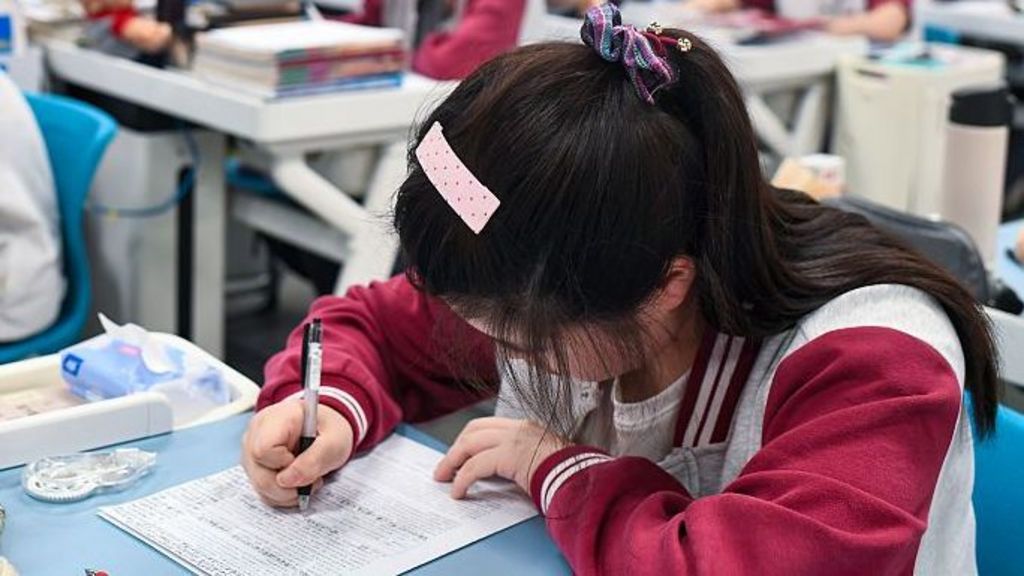
Chinese authorities and medical experts report a rising trend of prescription drug misuse among minors, often attributed to academic and social pressures. Students interviewed by the BBC described purchasing medications such as cough suppressants, painkillers, and epilepsy treatments online to cope with anxiety surrounding elite class placements and national examinations. These substances, when taken in excessive doses, can cause hallucinations, slurred speech, and impaired coordination.
The Chinese government has implemented several measures to address the issue, including reclassifying specific cough suppressants as psychotropic drugs and tightening controls on pharmacies. However, teens reported circumventing these restrictions by using alternative keywords on shopping platforms or purchasing unregulated substances through social media chat rooms for as little as 10 yuan ($1.50) per gram. Official data from 2025 showed a 41% decrease in newly identified drug users under 35, yet the National Narcotics Control Commission noted that prescription drug misuse among minors remains a growing concern.
Experts, including sociologist Xiang Biao, suggest the behavior is linked to an isolating environment where students spend up to 10 hours a day in school. The pressure is further intensified by family expectations, particularly in households with only one child. A 2023 study for China's Mental Health Blue Book estimated that 95 million people in the country suffer from depression, with more than 30% of those individuals being under the age of 18.
The impact extends to the national labor market and social stability. With one in five young people in China currently struggling to find employment despite achieving high grades, the perceived value of academic success has become a source of acute anxiety for both parents and children. This mental health strain is occurring at a time when China faces a shortage of specialized medical professionals; a 2020 study in The Lancet reported only 500 qualified child psychiatrists across the entire nation, most of whom are concentrated in major cities like Beijing and Shanghai.
To address these gaps, the Chinese government has set a deadline of 2030 to establish a comprehensive nationwide system for psychological support and crisis intervention. As of 2026, the State Council reports that over 92% of primary schools and 95% of junior middle schools have installed mental health counselors. While major cities have begun integrating mental health into their curricula, the effectiveness of these measures will depend on the government's ability to increase the number of specialized medical personnel and manage the evolving online marketplace for prescription medications.
What happens next: The government's psychological support system is scheduled for full implementation by 2030. In the interim, authorities continue to monitor online platforms for the sale of regulated substances. Students who have recovered from addiction, such as 22-year-old Lu Jingchan, have begun using social media to campaign against the misuse of prescription drugs, while schools continue to expand counseling services to meet the 2030 targets.