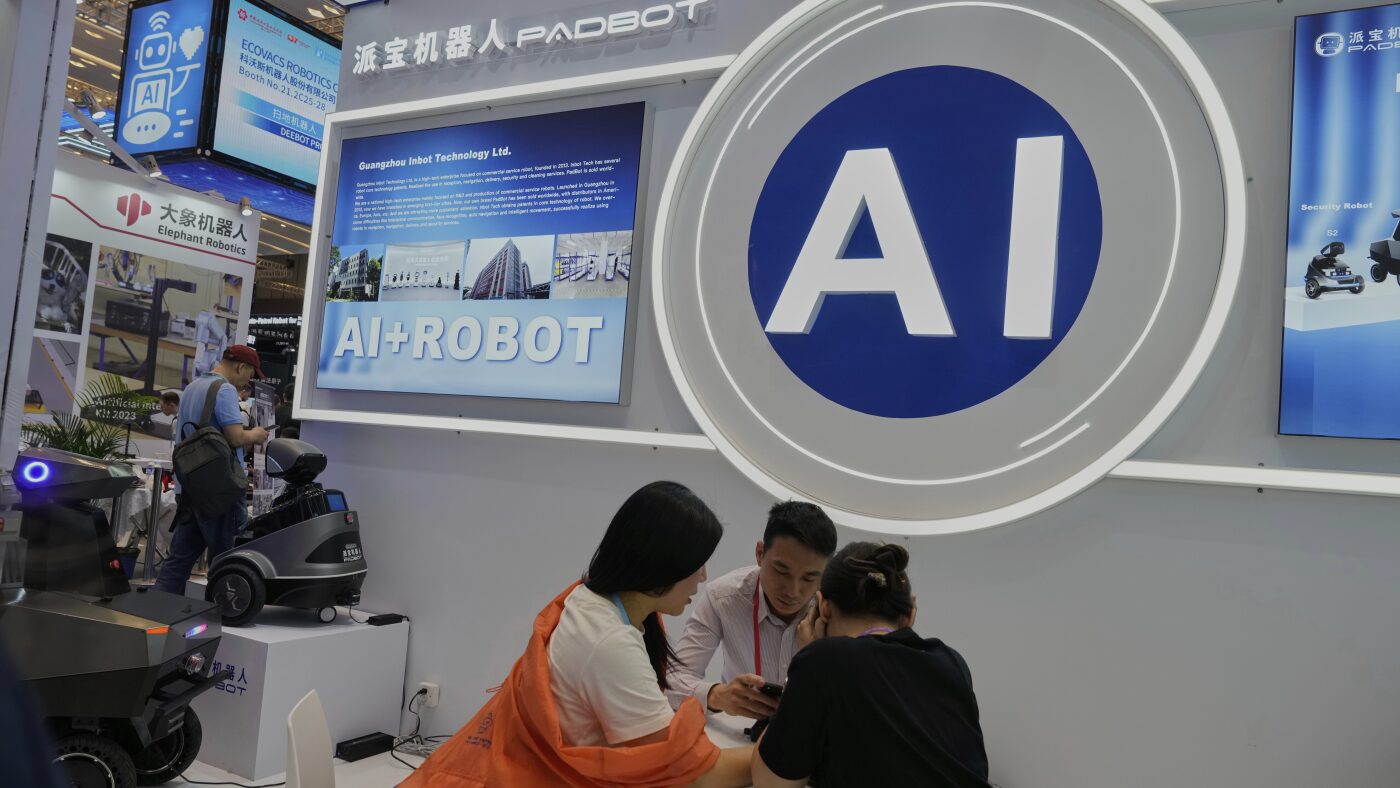
Courts in several Chinese cities have recently issued rulings in favor of workers who were replaced by artificial intelligence (AI). In one specific case this summer, a court in Guangzhou ruled that the dismissal of a graphics designer who was replaced by AI technology was unlawful. Similar rulings have been reported in other cities across the country as laborers express concern over job security in the face of automated systems.
These legal actions occur as the Chinese government continues a national effort to lead in the global development of artificial intelligence. While the courts have established some protections for workers, employees in various sectors report continued anxiety regarding the potential for widespread job displacement. The Guangzhou ruling is being described by labor advocates as a victory for workers' rights within the country's evolving technological landscape.
In a separate development, the cultural significance of milk consumption in Rwanda is under scrutiny. Milk bars are a common feature of daily life in the country, and the beverage is traditionally consumed at the end of the day. However, reports suggest that the widespread popularity of the drink may be associated with health or social challenges for the population, though specific data on the nature of these problems was not detailed.
The scale of the technological shift is significant as China attempts to become a global leader in AI. For an individual worker, these court rulings could mean the difference between maintaining a salary and facing sudden unemployment. The concrete change for employees is the ability to challenge dismissals in court, potentially securing reinstatement or settlements if a company replaces their human role with an algorithm without following proper legal procedures.
These rulings set a precedent for how the Chinese judiciary balances national industrial goals with existing labor protections. While the government pushes for rapid AI integration, the courts are beginning to define the limits of how that integration can affect individual livelihoods. What happens next depends on whether higher courts uphold these local decisions and how corporations adjust their hiring and firing practices to comply with these new legal interpretations. No specific dates for future appeals or new legislation were reported.