Courts in China have begun ruling in favor of workers who lost their jobs due to the implementation of artificial intelligence. While the Chinese government is encouraging companies to adopt AI technologies, the judicial system has determined in some instances that replacing human employees with automated systems is unlawful.
The rulings come as Chinese companies implement AI at a scale that exceeds current adoption rates in the United States. This rapid integration has led to the displacement of workers across various sectors, prompting legal challenges from those affected by the transition to automated labor.
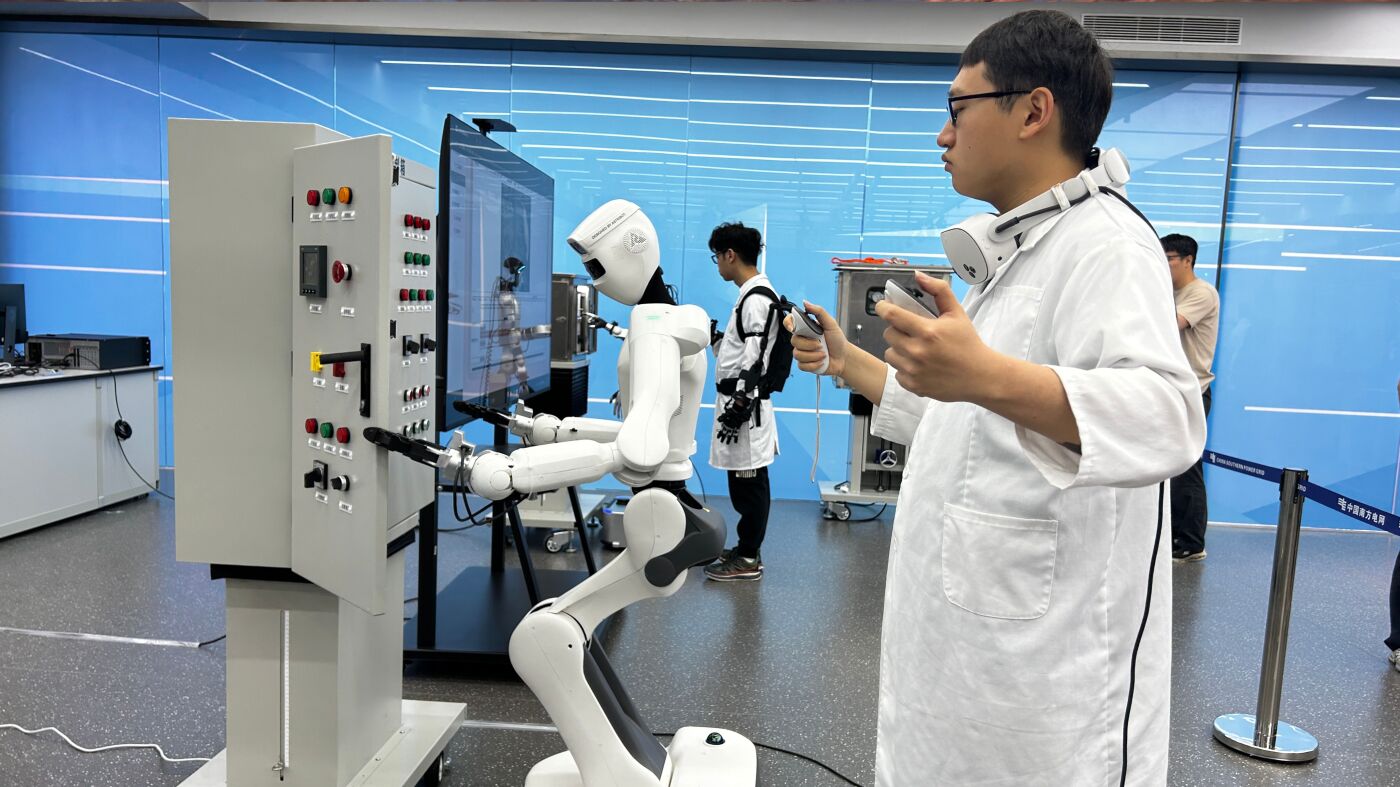
Recent documentation from the Guangzhou region shows human workers training humanoid robots to perform tasks such as pushing buttons. While these robots are expected to eventually assume these human roles entirely, the legal system has started to establish limits on how and when companies can terminate human staff in favor of these technologies.
A worker in China may notice this change through increased job security or the ability to file a lawsuit if their position is eliminated by AI. Although the courts have sided with employees in specific cases, the source reports that widespread anxiety persists among the workforce. This suggests that while legal precedents are being set, they have not yet mitigated the general fear of technological unemployment.
The knock-on effects include a potential slowdown or complication of the government's push for AI adoption as companies must now navigate labor laws during implementation. This sets a precedent for how judicial systems in highly automated economies might balance technological progress with worker protections. What happens next depends on further court rulings and whether the Chinese government adjusts its AI adoption policies in response to these legal challenges; however, specific upcoming court dates or new legislative deadlines were not reported.