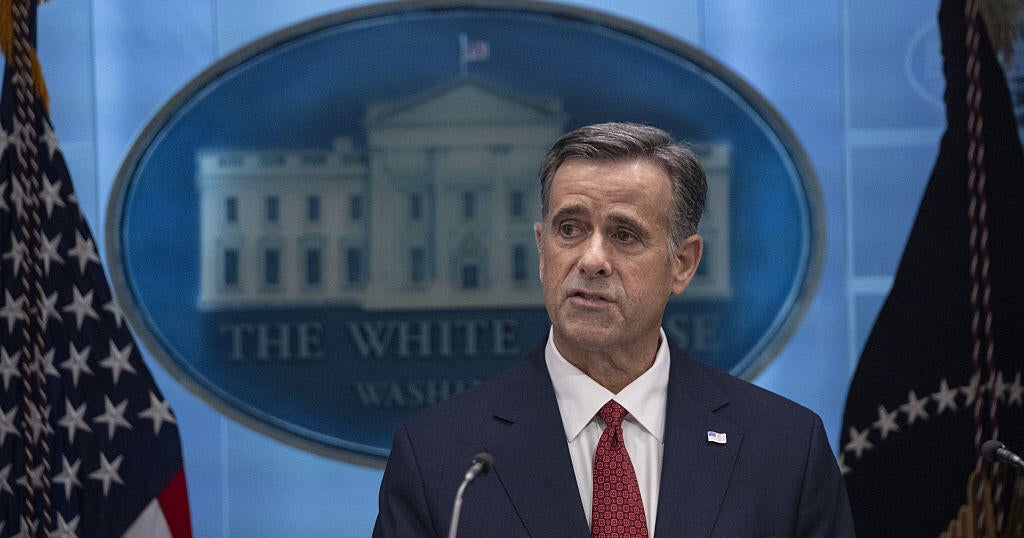
CIA Director John Ratcliffe traveled to Moscow this week to warn Russian officials against attacking NATO member states, according to multiple people familiar with the matter. The visit follows U.S. intelligence assessments suggesting Russia may attempt to test the unity of the North Atlantic Treaty Organization (NATO) and the Trump administration's commitment to the alliance.
The secretive trip became public on Tuesday after a U.S. Air Force aircraft was observed at a Moscow airport and a diplomatic motorcade was seen in the city. The CIA declined to comment on the trip, but Kremlin spokesperson Dmitry Peskov confirmed that Ratcliffe met with Russian intelligence officials. Peskov stated that Ratcliffe did not meet with President Vladimir Putin.
During the discussions, Ratcliffe also addressed the conflict with Iran, warning of additional sanctions if the Strait of Hormuz is not reopened to shipping. Ukraine was notified of the U.S. delegation's trip in advance and was asked to suspend strikes for the duration of the visit, according to a senior Ukrainian official. President Trump described the trip on Wednesday as "semi-routine" and linked it to his efforts to end the war between Russia and Ukraine.
Recent U.S. intelligence assessments indicated that Russia might authorize provocative actions on NATO territory, such as cyberattacks or hybrid operations, to evaluate the alliance's response. Officials cited recent drone incursions into Romania and a Russian missile entering Polish airspace last month as examples of activities causing concern. Under Article 5 of the NATO treaty, members agree to defend any member that is attacked, though President Trump has frequently criticized member states regarding their defense spending.
The scale of the tensions involves billions of dollars in military aid and the deployment of thousands of troops across Europe. A failure to deter Russian provocations could lead to changes in international shipping costs and energy prices, particularly if threats to the Strait of Hormuz—a primary transit point for global oil—result in further sanctions or closures. Individuals in the U.S. and Europe would notice the impact through fluctuations in fuel prices and potential shifts in federal spending toward or away from international defense commitments.
The meeting sets a precedent for direct intelligence-channel communication between the Trump administration and the Kremlin despite ongoing military conflicts. The knock-on effects include how Ukraine manages its military operations during U.S.-led diplomatic windows and how NATO allies adjust their own defense budgets in response to U.S. pressure. What happens next depends on whether Russia alters its activity in Europe or if the U.S. moves forward with the additional sanctions mentioned by Ratcliffe; specific deadlines for these actions were not reported.