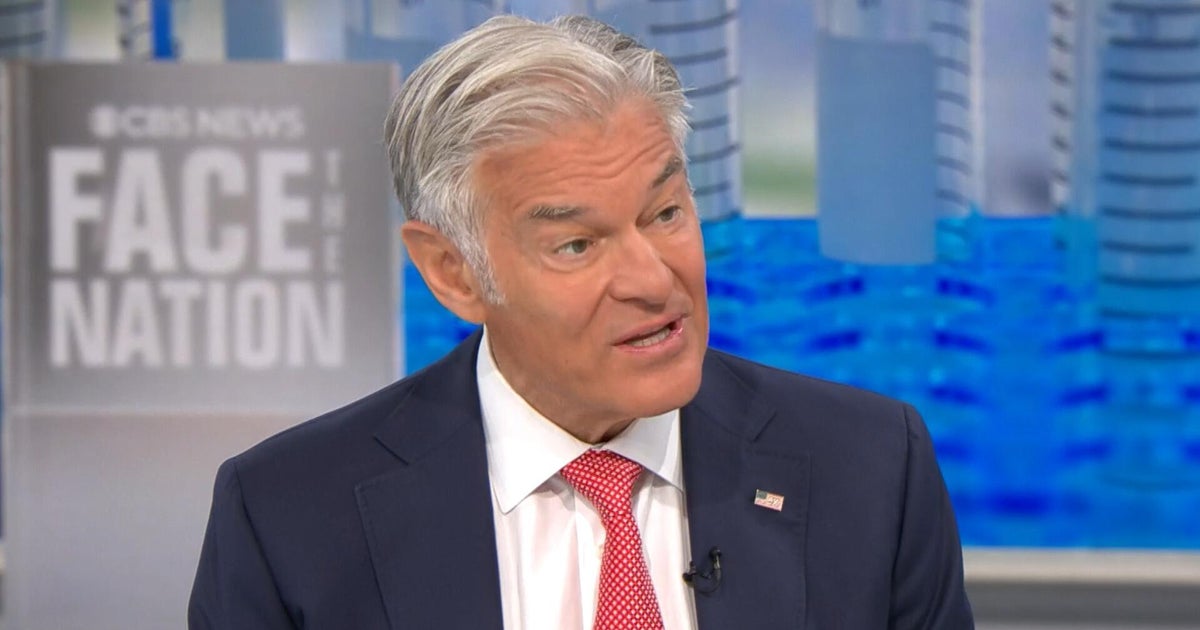
Dr. Mehmet Oz, administrator of the Centers for Medicare and Medicaid Services (CMS), stated Sunday that the measles, mumps, and rubella (MMR) vaccine is "not a lethal vaccine." The comment, made during a televised interview on "Face the Nation," follows statements by President Trump, who earlier this month claimed without evidence that the combined vaccine could be "lethal" if not administered as three separate shots.
The disagreement comes as the Trump administration encourages childhood vaccinations amid a rise in measles cases, which have reached their highest levels in 35 years. President Trump recently signed an executive order suggesting the MMR vaccine components be offered separately. Currently, the measles, mumps, and rubella vaccines are not available on the U.S. market as individual shots.
During his interview, Oz emphasized that the president wants Americans to follow their doctors' recommendations while maintaining "autonomy to decide what their kids receive." He noted that separate shots are available in other countries and argued that parents should have the right to ask questions or seek exemptions based on religious or other beliefs.
The Centers for Disease Control and Prevention (CDC) reported last week that vaccination rates among kindergarteners fell to 92.4% during the 2025-2026 school year. This is a decline from the 95.2% recorded during the 2019-2020 school year. Health officials note that the current rate is below the 95% threshold required for herd immunity.
A change to separate injections would alter the day-to-day medical experience for families, requiring three distinct appointments or needle sticks instead of one. While the president claims this would mitigate risks he described as "lethal," the head of CMS, Dr. Oz, has clarified that the current combined vaccine is not lethal. Parents would notice these changes in their local clinics and doctors' offices if manufacturers begin producing separate doses for the U.S. market, which are currently unavailable. The executive order also focuses on increasing parental autonomy, which could result in broader religious or personal belief exemptions in states that currently have stricter mandates.
The knock-on effects of these statements and policies may influence future state-level legislation regarding school entry requirements. If vaccination rates continue to stay below the 95% herd immunity level, public health institutions may face increased pressure to manage outbreaks, which have already reached a 35-year high. What happens next depends on how pharmaceutical companies respond to the administration's preference for separate shots and whether states choose to clarify or expand exemption eligibility for parents. No specific deadline for the availability of separate vaccines has been reported.