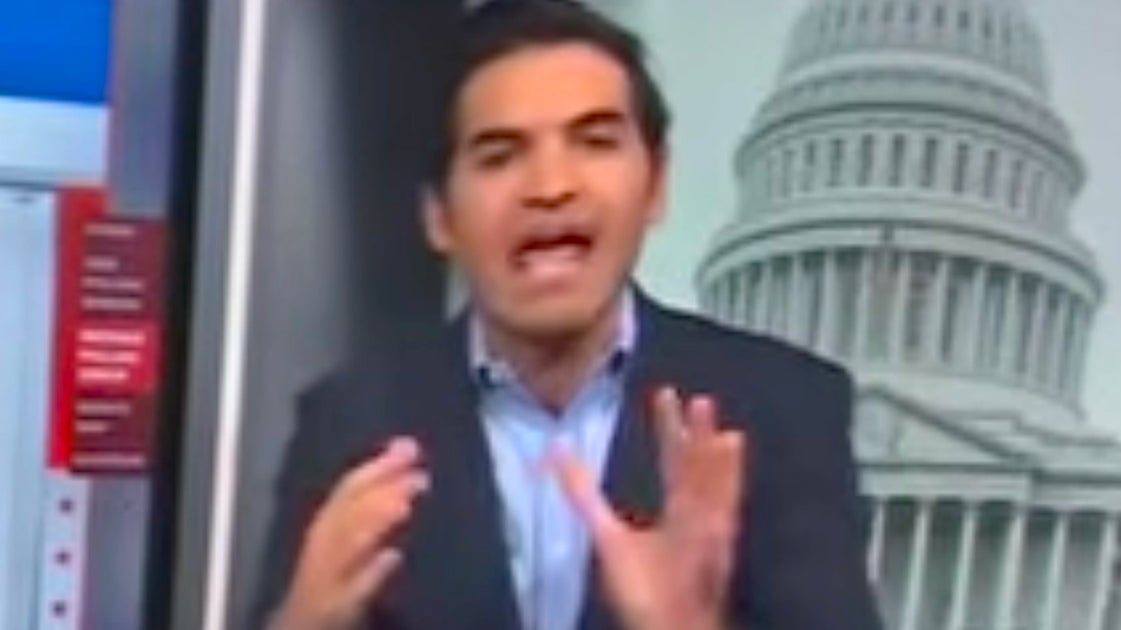
CNN chief data analyst Harry Enten stated on Friday, October 16, 2026, that while current polling aggregates show Democrats leading in several key U.S. Senate races, the margins remain within a range that could allow Republicans to maintain control of the chamber. Enten described the situation as a "big siren warning sign" for Democrats, noting that historical polling errors have previously resulted in Republican victories that contradicted pre-election data.
The analysis comes as both parties contest the upcoming midterm elections. Enten noted that the U.S. Senate is expected to be the primary focus on election night, though he also observed that Republicans could potentially maintain control of the House of Representatives. Current polling aggregates show Democratic candidates leading in Iowa, Texas, Michigan, and Ohio, and holding a tie in Kansas.
Enten reported that the average error rate for these state-level polling aggregates is 3.7 percentage points. Because the leads in most of the contested states fall within this margin, he stated the Senate remains "too close to call." The data used for these aggregates includes polling sentiment collected only over the past 21 days.
For individual households, the shift in Senate control could lead to changes in federal tax policy, healthcare legislation, and social programs. A Republican-controlled Senate would likely pursue different spending and regulatory agendas than a Democratic-controlled one. The concrete impact on a citizen’s paycheck or benefits would depend on which specific bills pass the new Congress and are signed into law. Enten noted that the current polling has been "tight" for several weeks, meaning the final results will depend on whether Election Day turnout matches current survey data.
The knock-on effects of these elections extend to the 2028 presidential cycle and the functioning of federal agencies. A split Congress or a single-party sweep would dictate the ease with which a president can confirm cabinet members and pass annual budgets. Enten noted that Republicans are "very much in the ballgame" to maintain their current standing. The final determination will occur on election night, which is scheduled for November 2026, following the final weeks of the campaign. The specific date for election night was not reported in the source text.