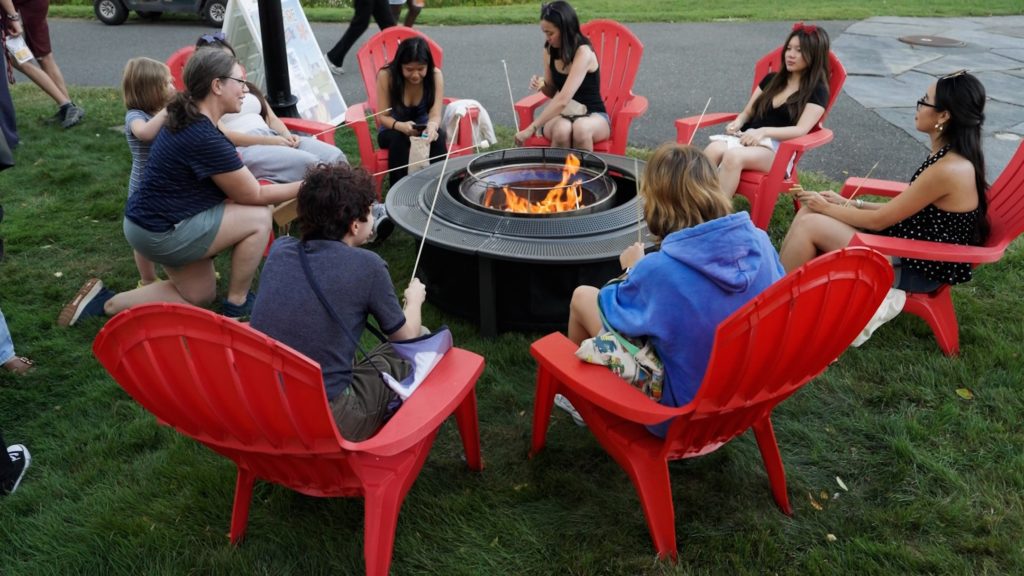
Colleges are increasingly incorporating the instruction of social skills into their curricula to prepare students for a job market influenced by artificial intelligence. While higher education debates often focus on tuition costs and career prospects, educators are placing renewed emphasis on interpersonal abilities as a necessary component of workforce readiness.
The focus on social skills comes amid a broader discussion regarding the "skills gap" in the United States. On June 5, 2025, the Center for American Progress reported that the U.S. House Committee on Education and Workforce highlighted the need for improved worker training. During that period, an executive order was signed by Donald Trump to create 1 million new active apprenticeships to address the demand for skilled labor in high-demand sectors.
To meet these demands, community colleges have utilized work-based learning models, including registered apprenticeships, internships, and cooperative education. These programs combine academic instruction with hands-on experience, such as practicums in nursing and social work. According to Jobs for the Future, work-based learning involves students completing meaningful tasks in a workplace to develop the technical and interpersonal skills required for career advancement.
For students, the emphasis on social and technical skills through experiential learning is intended to change the transition from school to work. Instead of entering a job with only theoretical knowledge, students would notice a more direct application of their studies in their daily tasks and potentially more stable career pathways. Employers who participate in these talent pipelines have reported concrete benefits, such as lower staff turnover rates and the ability to cultivate a more diverse workforce by training students in the latest industry technologies.
The knock-on effects of these programs extend to local economic development, as colleges align their training with the needs of regional businesses and unions. This creates a precedent for how higher education institutions may adapt to an economy where routine tasks are increasingly handled by artificial intelligence, leaving interpersonal communication as a primary human contribution. Moving forward, the effectiveness of these efforts may depend on federal and state investment levels, as the Center for American Progress noted that current executive orders have not always explicitly called for increased funding for the community colleges already performing this training.