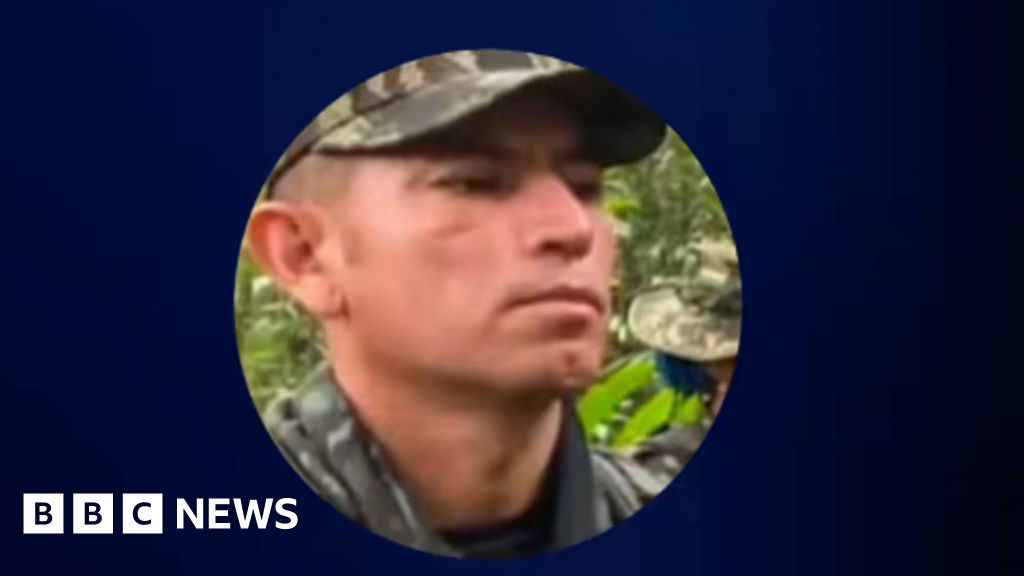
Colombian security forces killed Hernando Forero Mosquera, an alleged leader of a dissident rebel faction, during a military operation in central Colombia over the weekend. The operation occurred shortly after the inauguration of President Abelardo de la Espriella, who has ordered a military crackdown on illegal armed groups and drug trafficking organizations.
The operation targeted Forero Mosquera, known by the alias "El Ruso," who military intelligence officers identified as the leader of Frente 28. This group is a dissident faction of the Revolutionary Armed Forces of Colombia (Farc), a left-wing rebel group that signed a peace agreement with the government in 2016. According to officials, dissident factions like Frente 28 did not accept the peace terms and are currently involved in illegal mining and cocaine trafficking.
President de la Espriella reported that the operation in a rural area of Meta province resulted in the deaths of Forero Mosquera and three other alleged group members. In a separate offensive in Antioquia province, the president stated that soldiers killed two alleged members of the Gulf Clan, a different criminal organization. These actions followed a campaign promise by de la Espriella to use air strikes and military force against groups he characterized as "narco-terrorists," shifting away from the negotiation-focused "total peace" strategy of his predecessor, Gustavo Petro.
On the scale of international cooperation, the U.S. State Department announced plans on Friday to provide $1 billion (£740 million) in security assistance to de la Espriella's administration. This funding, which amounts to a significant influx of resources for the Colombian military and police, is tied to the country's entry into the "Shield of the Americas," a U.S.-led alliance focused on combating transnational crime and drug trafficking. For the average Colombian citizen, this may result in a more visible military presence and increased security operations funded by foreign aid.
The immediate reaction to the new administration's policy included retaliatory violence. On Saturday, a car bomb at a tollbooth in Cauca province injured two security guards, and a police officer in Cesar province was killed by explosives dropped from a drone. As the government continues its offensive, the timeline for future military operations remains open-ended. The U.S. security assistance and Colombia's participation in the regional alliance suggest a long-term commitment to this combative approach, with further developments expected as the new administration implements its stated policy of relentless targeting of armed groups.