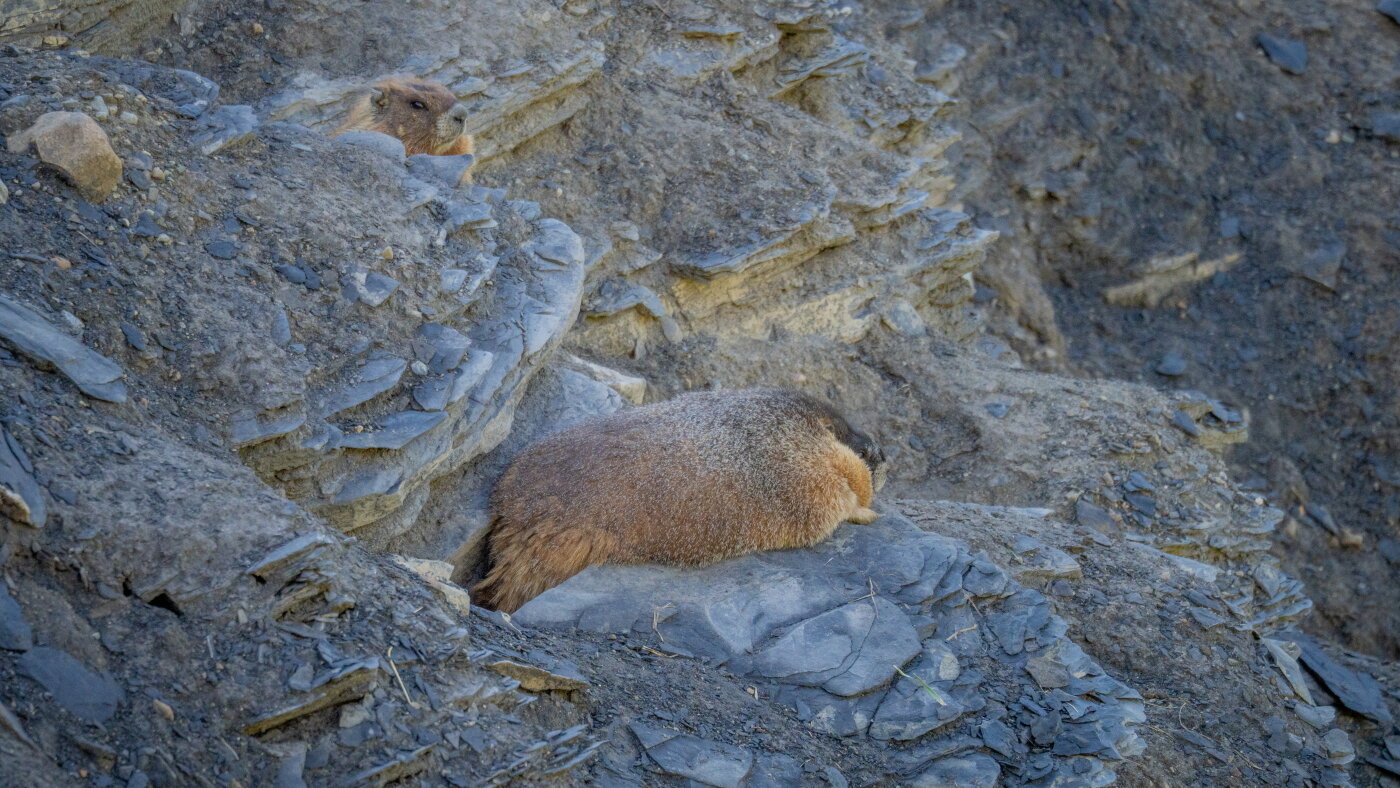
A yellow-bellied marmot named Dawn was announced as the winner of the first "Fat Marmot Week" on Sunday. The competition, which tracked weight gain among eight marmots in Colorado, concluded with Dawn receiving the most public votes and the highest recorded weight gain among the monitored animals.
The Rocky Mountain Biological Laboratory's (RMBL) Marmot Project established the event in August 2026 to increase public interest in the rodents as the research program faces significant funding reductions. The project has studied individually tagged marmots in the wild since 1962, making it one of the longest-running mammal research initiatives. Yellow-bellied marmots are considered "true hibernators" that rely on stored fat to survive mountain winters that last more than six months.
According to researchers at the RMBL, Dawn gained 4.5 pounds during the month of August, reaching a final weight of 13 pounds. The project staff identified him as a father who was observed eating rocks. Other marmots in the eight-animal field included G, Dan's Hat, Citroen, Open Kite, 1, Dandelion, and Stonehenge. Stonehenge, a female marmot, was noted by researchers for surviving the loss of her litter to a badger earlier in the year.
For the researchers and students involved, the success of public engagement efforts like Fat Marmot Week determines whether they can continue monitoring the long-term health and behavior of the species. Without new sources of revenue to replace lost grants, the 64-year data set—used to track biological responses to climate and habitat shifts—may cease after the upcoming year. The scale of the funding gap was not specifically detailed in dollars beyond the current "dire" outlook for the period following next year.
The competition was modeled after the "Fat Bear Week" event in Alaska, which draws more than one million annual voters. Organizers hope the marmot version will translate into a similar boost in donations and public support. The immediate day-to-day impact for the marmots themselves is a transition into hibernation, where they will lower their body temperatures and slow their breathing to survive the winter on the fat reserves documented during the contest. The Marmot Project will continue to seek donations as it evaluates its budget for the years following 2027.