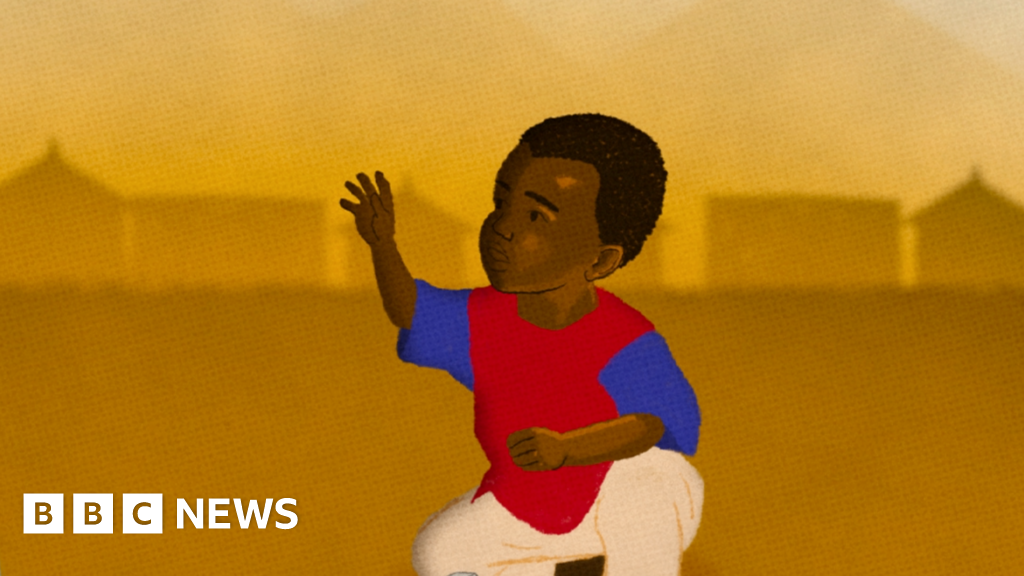
Women and children in Sudan face significant barriers to obtaining legal identification for infants born during the ongoing civil war. Mothers who are unable to provide a father's name or who gave birth following sexual assault report that they cannot secure birth certificates or national identification numbers for their children. The issue is compounded by the displacement of families and the collapse of administrative infrastructure in conflict zones.
The conflict between the Sudanese military and the paramilitary Rapid Support Forces (RSF) began in April 2023. In October 2024, the city of el-Fasher, a former military stronghold in Darfur, fell to the RSF and allied militias after an 18-month siege. During this period, humanitarian organizations report that numerous women were subjected to sexual violence while attempting to flee the city or while held in captivity.
Under the Sudanese Child Act of 2010, children born outside of marriage have a legal right to identity. Attorney Majida Idris stated that the registration process requires a mother to file an official report of assault, which then triggers documentation by social services and the civil registry. However, Idris noted that in regions like Darfur, the shutdown of civil registry offices and the collapse of civil services have made these legal procedures impossible to follow for thousands of families.
The Nada Al-Azhar Foundation for Disaster Prevention and Sustainable Development (Nada), a Sudanese aid organization, reports that social stigma further prevents the registration of these births. Shaza Ahmed, the foundation's director general, stated that 90% of cases recorded by the group involve families who refuse to file official reports of sexual assault. Many of the mothers are themselves minors under the age of 18, requiring a guardian to initiate legal proceedings.
The impact extends into adulthood, as the absence of a legal identity prevents individuals from obtaining official documents, such as passports for travel, or securing formal employment. Aid workers warn that this creates a generation at risk of living under permanent social stigma without legal rights or protections. In areas like Darfur, the primary obstacle is the physical absence of functioning government offices, meaning even mothers willing to navigate the legal requirements have no venue to do so. The daily reality for these families is a state of administrative limbo where they cannot access aid or services tied to legal residency.
What happens next depends on the potential reactivation of civil registry offices in accessible areas, a step advocated by legal experts to address the growing number of unregistered children. However, no specific dates for the restoration of these services have been reported as the conflict continues. Families currently residing in camps or humanitarian hubs continue to rely on non-governmental organizations like the International Medical Corps and Nada for basic medical care and psychological support while their legal status remains unresolved.