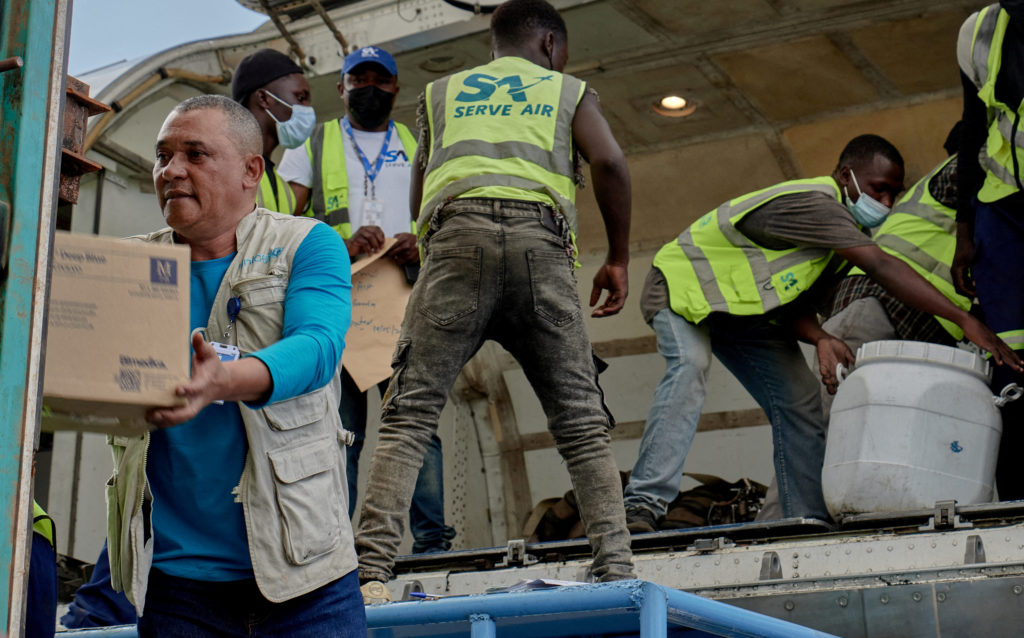
The Democratic Republic of the Congo will receive 70,000 doses of the Ervebo Ebola vaccine to assist in containing a current outbreak, according to an announcement Thursday by the World Health Organization (WHO) and its partners. The vaccine has proven effective in previous Ebola outbreaks, though it is not specifically licensed for the Bundibugyo virus responsible for the current surge in cases.
The current outbreak, which has spread across six provinces in eastern Congo, has resulted in 2,476 deaths out of 5,208 confirmed cases. Health officials noted that the virus is spreading approximately three times faster than the 2014-2016 West Africa outbreak, which was the deadliest on record. Experts believe this strain may have begun spreading as early as February in the mining town of Mongbwalu, three months before a formal declaration on May 15.
The International Coordinating Group on Vaccine Provision confirmed the doses would be released immediately following a request from the Congolese government. Of the 70,000 doses, 20,000 are designated for a Phase 3 clinical trial to test the vaccine's efficacy against the Bundibugyo virus. The remaining 50,000 doses are intended for front-line health workers. While Ervebo is not licensed for this specific strain, the WHO stated that laboratory and animal data suggest it may offer some protection.
For individuals in the affected six provinces, the deployment of these vaccines represents the primary medical intervention available for a virus strain that currently lacks a specifically approved treatment. Health workers and residents will see the introduction of Phase 3 clinical trials, involving 20,000 doses, to determine if a vaccine designed for a different Ebola strain can successfully halt the Bundibugyo virus. The speed of the response is critical because many new cases are being discovered outside of monitored networks, indicating the virus is outpacing current tracking efforts.
The outcome of this vaccine deployment will set a precedent for how international health agencies manage rare viral strains during active emergencies. If the Ervebo vaccine proves effective against the Bundibugyo virus in the Phase 3 trial, it could change future protocols for responding to rare Ebola variants. According to the International Coordinating Group on Vaccine Provision, the doses are scheduled for immediate release, though specific dates for the commencement of the clinical trials or the completion of the 50,000-dose frontline vaccination drive were not reported.