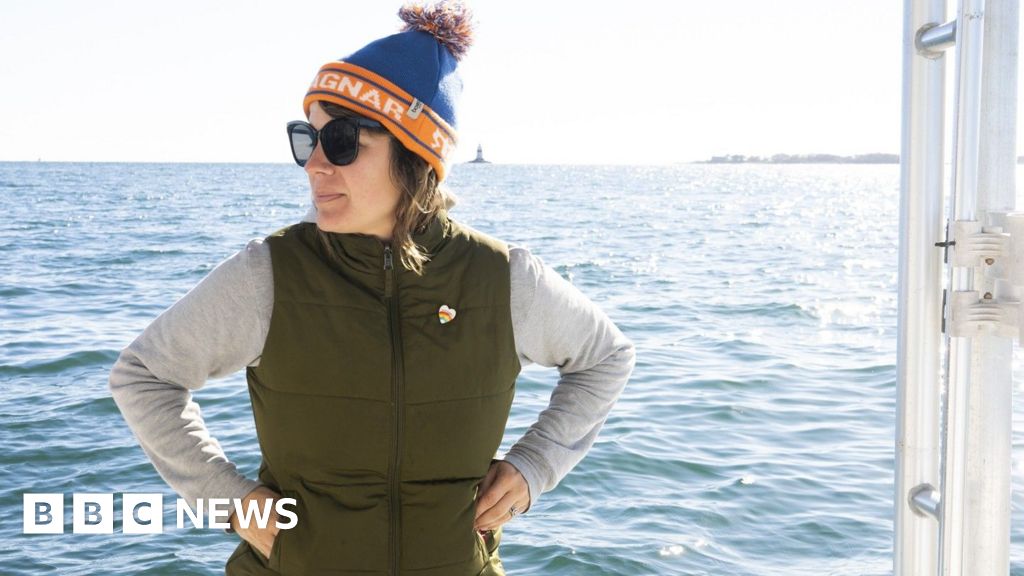
Suzie Flores, owner of the Stonington Kelp Company, is part of a growing effort to establish sugar kelp farming as a viable industry in New England. Operating out of Stonington, Connecticut, Flores harvests the seaweed during the spring months following a winter growing season. While the United States currently imports over 90% of its seaweed from Asia, small-scale domestic producers are attempting to build local markets by partnering with regional restaurants and educational institutions.
The industry faces significant logistical and environmental challenges. This past winter, severe storms and freezing temperatures resulted in a 40-50% crop loss for Flores's farm. Additionally, the U.S. lacks the processing and distribution infrastructure found in established markets like Japan and South Korea. To address the lack of initial demand, Flores has focused on marketing East Coast sugar kelp to high-end chefs as a fresh, seasonal alternative to imported dried varieties.
Supporters of the burgeoning sector, including the non-profit GreenWave, state that kelp farming offers environmental benefits by absorbing nitrogen and improving water quality. Proponents also suggest that seaweed cultivation could provide supplemental income for commercial fishermen in towns where traditional industries, such as lobster fishing, have declined. Currently, the industry remains small, with growth dependent on the expansion of processing facilities and increased consumer adoption.