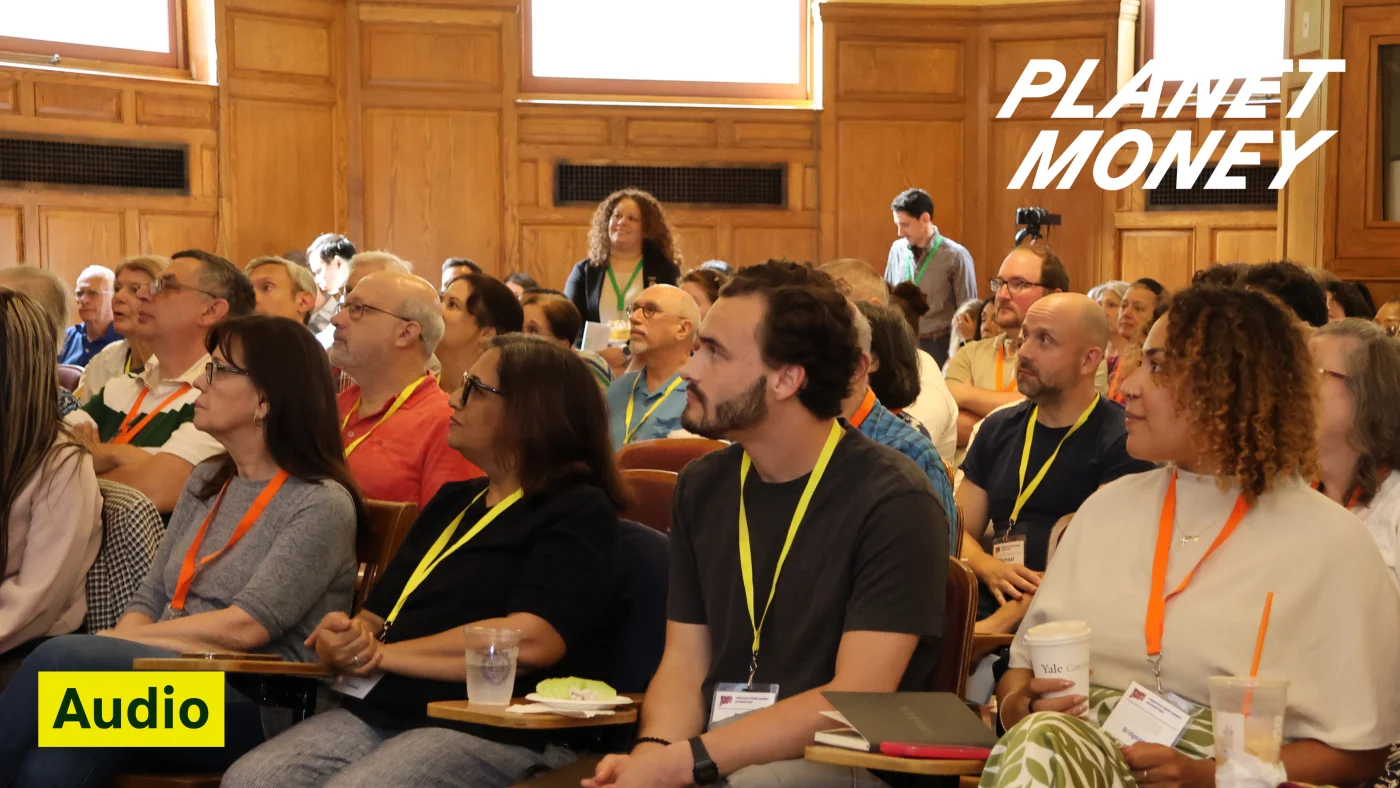
Connecticut has initiated a citizens assembly of 100 residents to propose solutions for the state’s property tax system. The assembly, composed of individuals chosen through a random lottery, was established to address tax issues that organizers say politicians have failed to resolve for decades. The group is evaluating whether to raise taxes, reduce government spending, find efficiency measures, or a combination of these approaches.
The citizens assembly model draws on historical precedents from Ancient Greece, where certain public officials were selected by lot rather than election. In this modern application, the 100 participants were gathered from across the state to function similarly to a jury. A university professor assisted in organizing the assembly.
The group's discussions involve balancing fiscal priorities to address a system that proponents describe as broken for decades. A state politician has agreed to formally present the assembly’s final proposals to the Connecticut State Legislature.
The scale of the experiment involves about 100 residents from across the state. By involving private citizens in the policy-drafting process, the state is testing a model that could be used to address other persistent legislative issues.
What happens next depends on the completion of the assembly's deliberations. Once the proposals are finalized, the participating state politician is scheduled to introduce them to the legislature. The effectiveness of this model will be determined by whether the elected body votes to adopt the citizens' suggestions or maintains the existing tax structure.