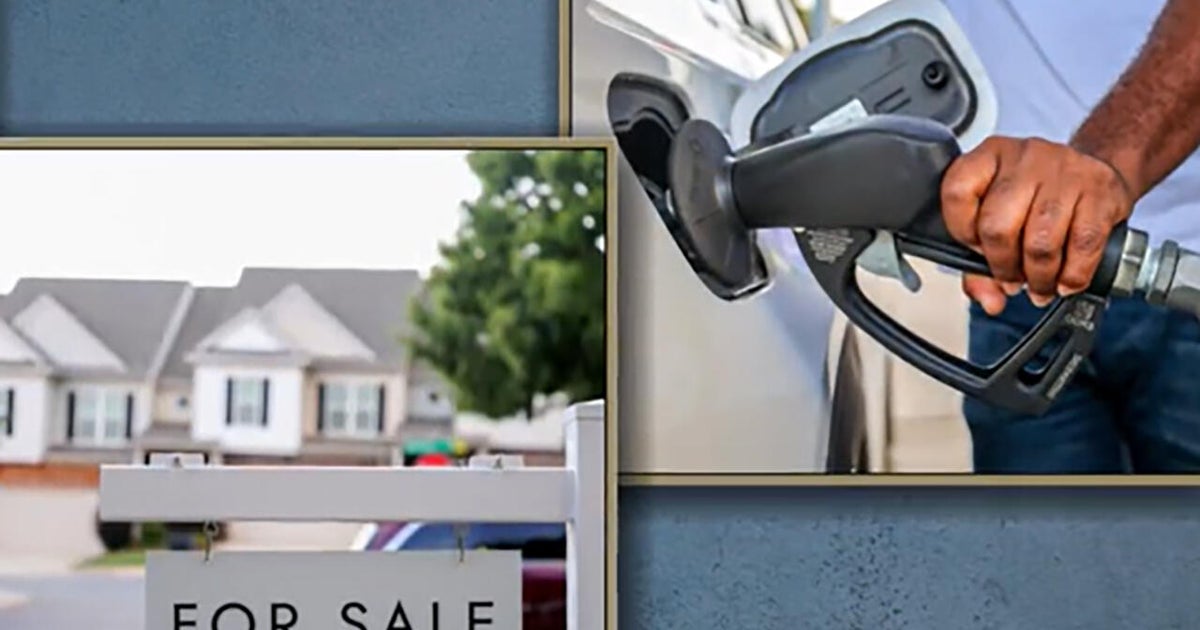
A recent consumer sentiment survey from the University of Michigan indicates that Americans across political lines report higher levels of economic pessimism during the current Trump administration compared to his first term. Despite growth in the stock market and rising wages, consumers cited high fuel and housing costs as primary drivers of their outlook, noting that wage increases have not kept pace with inflation.
The findings come from the nation's longest-running consumer sentiment survey, which has tracked public opinion since 1946. Joanne Hsu, who directs the survey, stated that sentiment has declined across all demographic groups. According to Hsu, the current measure of consumer confidence is lower than levels recorded during the financial crisis of 2008 and the period of stagflation in the mid-1970s.
Economic data from the Bureau of Labor Statistics shows that grocery prices have increased by more than 4% over the last two years of the administration. Additionally, AAA reports that gas prices have risen by 35%. In the housing market, Freddie Mac projects that 30-year fixed mortgage rates will remain above 7% through next year, while real estate professionals in Michigan report that rising rates have reduced buyer purchasing power by approximately $50,000 in some instances.
The impact is acutely felt by prospective homebuyers and renters. With 30-year mortgage rates projected to stay above 7% and potentially reach 8% according to real estate agent Michael Perna, individuals may find they can afford $50,000 less in home value than they could when rates were at 6.5%. This shift forces middle-income families to either settle for smaller properties or remain in the rental market longer, which can increase inventory time—in one reported Michigan case, extending a home's time on the market from one week to over a month.
The sentiment data suggests even positive indicators like stock market performance do not offset the day-to-day experience of inflation for the general public. While the current administration cited a priority to lower prices and interest rates in 2024, the reported increases in staples and borrowing costs have led some voters to express dissatisfaction. The survey indicates that Democrats, Independents, and Republicans all report feeling worse about the economy now than during the first Trump administration. The next significant markers for these consumers will be the upcoming midterm elections and the year-end mortgage rate assessments from Freddie Mac.