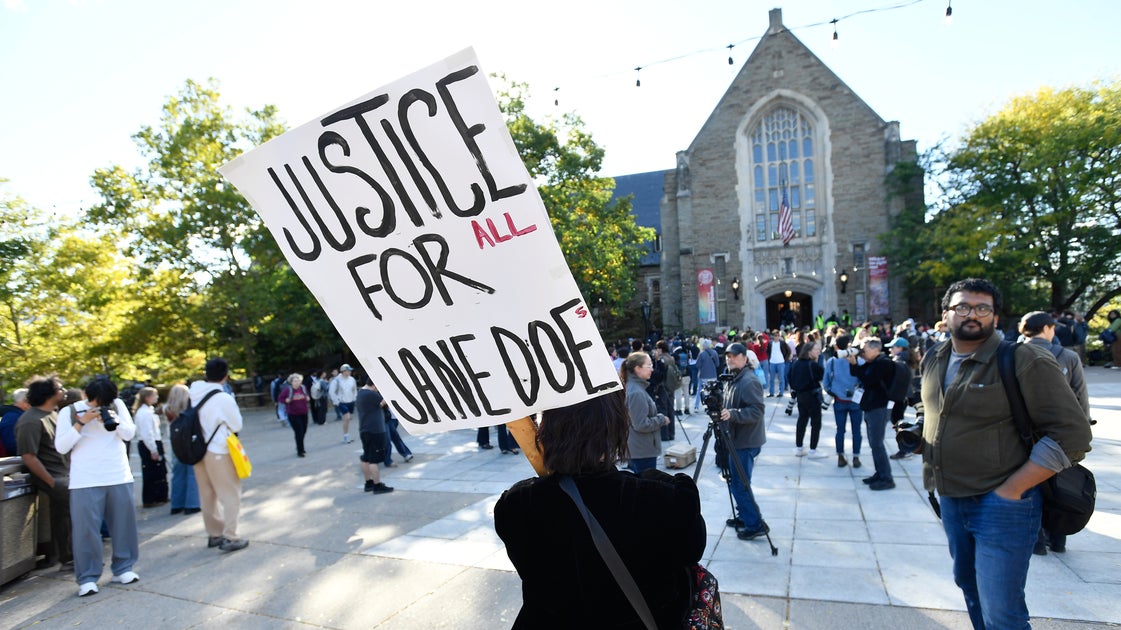
A lawsuit involving a former Cornell University student has drawn public attention to the way survivors of sexual assault behave following an incident. Jane Doe, who alleges she was gang-raped at a fraternity party in 2024, is suing the university and several fraternity members. The case gained recent attention after text messages surfaced showing Doe telling one defendant that "non(e) of the sexual stuff was illegal" and suggesting they spend time together again, while also mentioning a "super clouded" memory and the presence of ketamine.
The public reaction to these messages included accusations that the texts constituted an admission of consent and claims that the allegations were false. In response to such cases, trauma experts and survivors are highlighting the "fawn" response, a psychological reaction where a person acts congenially toward an aggressor to ensure their own safety. Experts stated that friendliness after an assault does not necessarily indicate that the event was consensual, as the body may default to appeasement when it perceives a threat.
Therapists and clinical counselors explain that fawning is an automatic survival mechanism rather than a conscious choice. Cheryl Groskopf, a licensed professional clinical counselor, stated that the nervous system is wired to be agreeable or affectionate to reduce the possibility of further harm. Other experts, such as psychotherapist Gillian O’Shea Brown, noted that survivors might rely on "politeness" scripts due to shock or a desire to rationalize a traumatic event to avoid the reality of powerlessness.
A person experiencing this psychological response might notice themselves acting "normal," being polite, or even attempting to seduce a perpetrator as a way to reclaim power or "rewrite" a traumatic memory. These behaviors may be observed in the days or weeks following an event, particularly when drugs, alcohol, or existing social relationships are involved. Advocates note that acting friendly toward someone after an incident does not retroactively establish consent for the prior encounter. If these psychological factors are not considered in legal settings, it may influence how juries and institutions view evidence like text messages or social interactions.
The broader impact involves how educational institutions and the legal system evaluate evidence in sexual assault cases. If fawning is recognized as a standard trauma response, it may set a precedent for how "friendly" evidence is weighed against allegations of violence. The Cornell case remains active as Jane Doe proceeds with her lawsuit against the university and the named fraternity brothers. Future court dates and specific deadlines for the litigation were not reported in the source material.