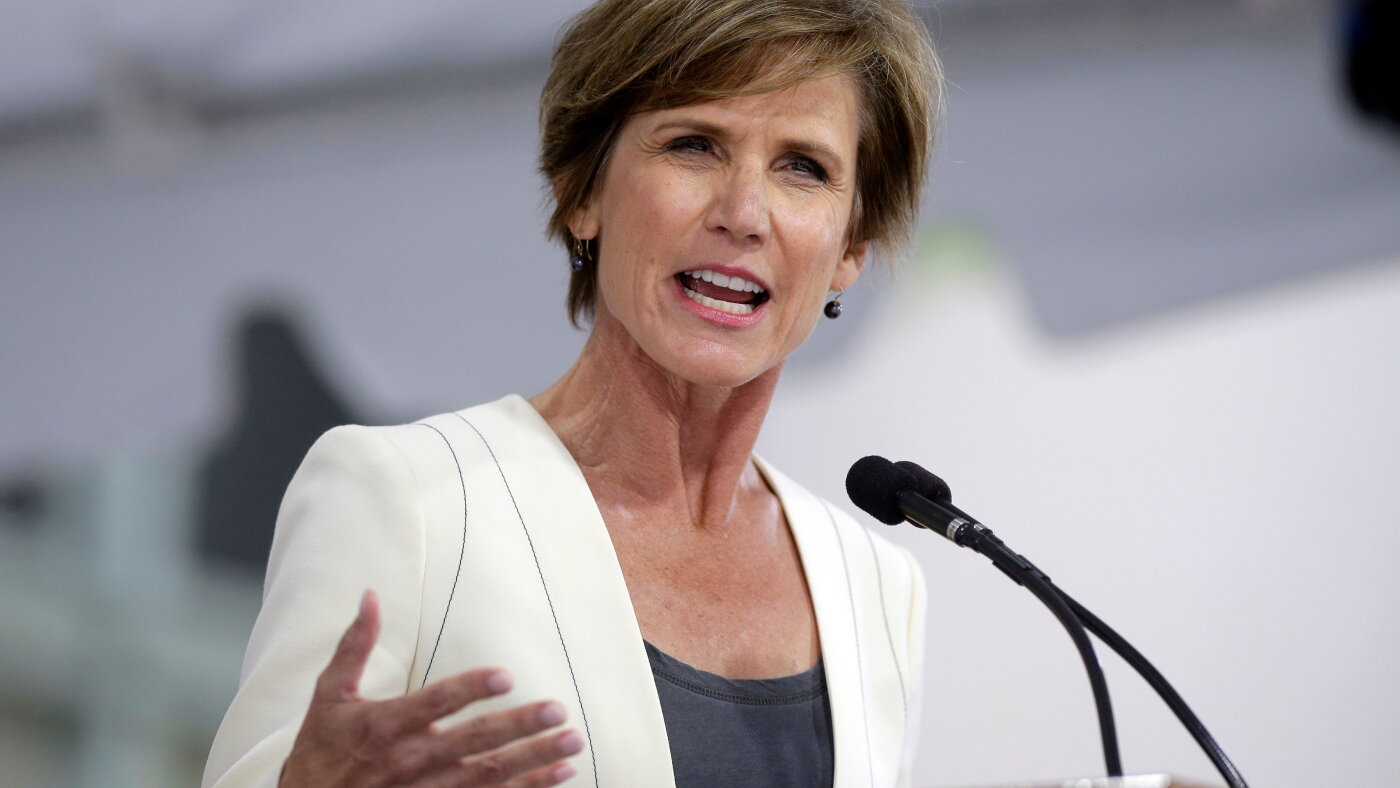
Cornell University announced on Tuesday, Oct. 6, 2026, that it has appointed Sally Yates, a former acting U.S. attorney general, to lead an independent internal review of the school's response to sexual misconduct. The inquiry will focus on how the university handled a 2024 case involving a former student's allegations of rape at a fraternity house.
The review follows a civil lawsuit filed in mid-September by a woman identified as Jane Doe. She alleged that seven men drugged and assaulted her for several hours in October 2024 at the Chi Phi fraternity house. Cornell stated that its campus police investigated the incident and its Title IX office conducted an inquiry that led to student suspensions and expulsions, but no criminal charges were filed by local prosecutors at the time.
Yates, a partner at King & Spalding who served as deputy attorney general under President Barack Obama, was selected by a special committee of the Cornell Board of Trustees. Her mandate includes evaluating how the university receives and investigates reports, its student support systems, disciplinary hearings, the role of campus police, and oversight of Greek life organizations. Yates previously led an investigation into abuse and misconduct within the National Women's Soccer League.
The outcome of the review may lead to changes in how sexual misconduct cases are handled, including university disciplinary procedures, student support resources, and coordination between campus security and outside law enforcement agencies.
New York Governor Kathy Hochul has authorized State Attorney General Letitia James to act as a special prosecutor to lead a separate criminal investigation into the 2024 case. This follows criticism of the handling of the case by campus police and the local prosecutor, Matthew Van Houten. The reopening of the criminal case, alongside Yates’ administrative review, places Cornell’s Title IX and police protocols under simultaneous legal and internal examination.
Yates and her team are expected to report their findings and recommendations to the Board of Trustees’ special committee, which has stated its intent to share the results with the Cornell community. A specific deadline for the completion of the review was not reported.