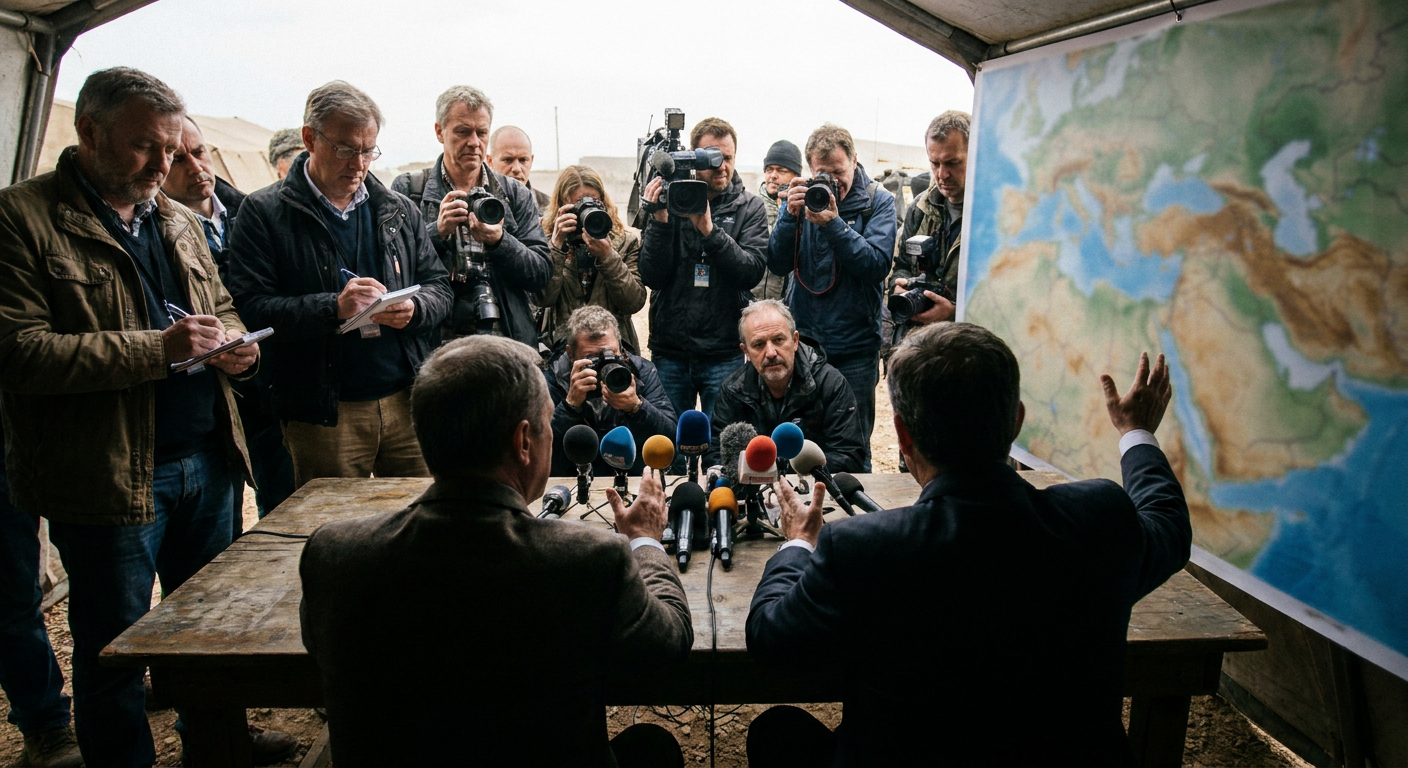
NPR correspondents discussed the interconnected nature of global conflicts on Thursday, focusing on the current military engagement between the United States and Iran. Correspondents Tom Bowman and Emily Feng detailed how these regional hostilities relate to other ongoing wars across the globe.
The discussion follows a period of heightened international tension involving multiple active combat zones. The report, featured on the program "All Things Considered," examined the strategic links between the U.S.-Iran conflict and broader geopolitical shifts.
NPR's analysis included input from Tom Bowman, who covers military affairs, and Emily Feng, who reports on international news. The journalists discussed how specific military actions in the Middle East influence and are influenced by power dynamics in other regions, though the specific names of other countries involved were not detailed in the available report summary.
The interconnectedness of these wars means that shifts in the U.S.-Iran conflict can cause immediate changes in international shipping routes and trade stability. Small-business owners involved in international trade and consumers purchasing imported goods may notice price adjustments or supply chain delays depending on the intensity of the fighting. Furthermore, the precedent of these linked conflicts suggests that diplomatic or military developments in one region may trigger unforeseen legal or policy changes regarding international alliances and foreign aid.
The exact duration and future trajectory of the U.S.-Iran war remain subject to military and executive decisions. While this report was issued on August 20, 2026, the source does not list specific upcoming dates for troop withdrawals, congressional votes, or scheduled peace negotiations. Observers of international policy will continue to monitor official government briefings for changes to deployment schedules or emergency funding requests.