The Department of Homeland Security (DHS) conducted surveillance of community groups, churches, and labor unions in Minnesota during a federal immigration enforcement surge last winter, according to recently filed court documents. A motion filed in federal court as part of a conspiracy case against protesters alleges that undercover agents attended meetings at religious institutions, libraries, and schools to record participants and gather personal data. The surveillance was disclosed in filings related to the prosecution of 15 individuals identified as members of a Minneapolis-based group with reported ties to Antifa.
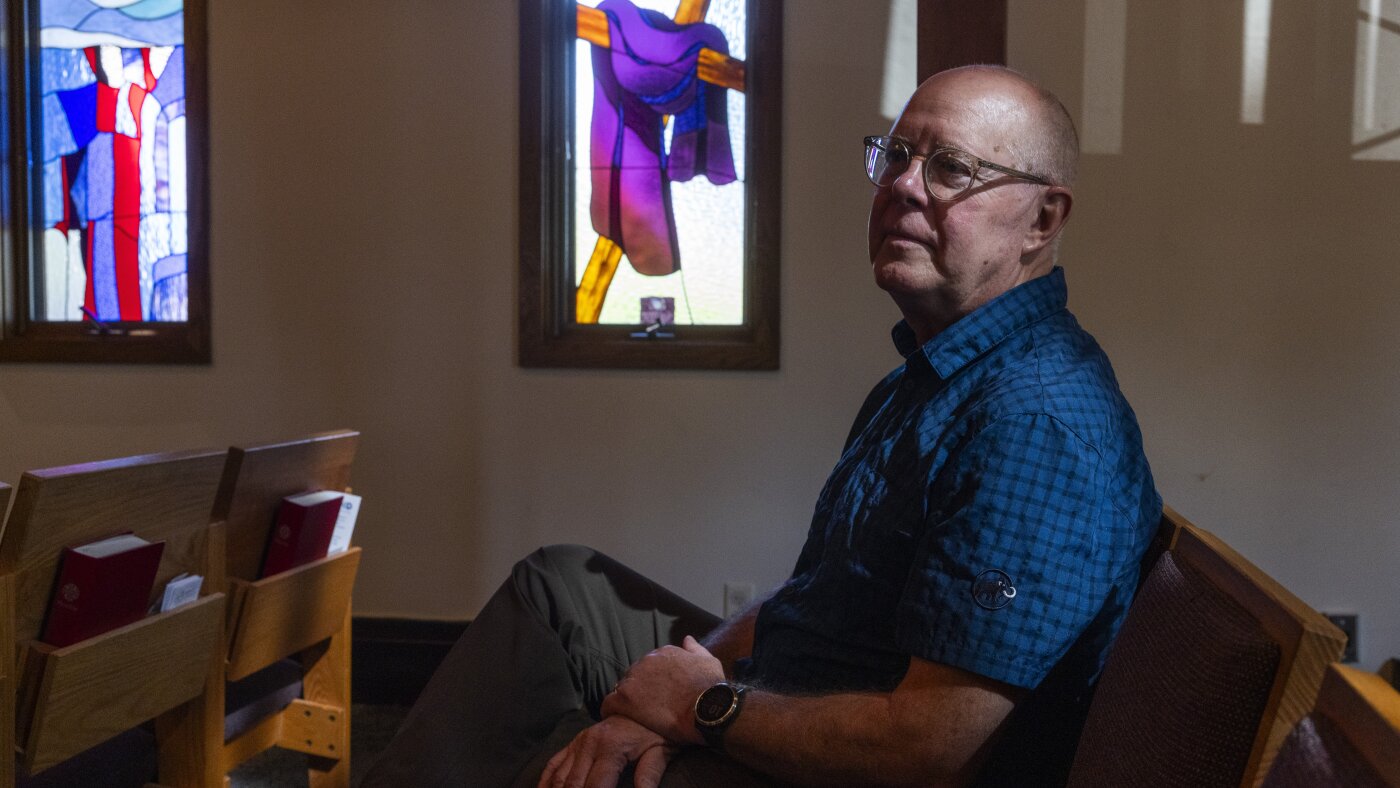
Government documents state that an undercover DHS agent attended a February meeting at Prince of Peace Lutheran Church in Roseville, Minnesota. The agent reportedly recorded license plate numbers and compiled dossiers on attendees that included names, addresses, family details, and employment information. Another agent wore a wire to a self-defense class at University Baptist Church in Minneapolis in May. According to the court motion, agents also infiltrated private group chats and sought the financial records of organizations including the Service Employees International Union (SEIU) and the Communications Workers of America (CWA).
In a court filing on Friday, the government defended these actions as "standard law enforcement practice." Prosecutors stated that the surveillance did not target thousands of peaceful protesters but was focused on individuals accused of planning activities not protected by the First Amendment, such as blockades at the federal building serving as ICE headquarters. DHS told NPR it does not comment on ongoing investigations, and the U.S. Attorney’s Office for the District of Minnesota also declined to comment. A hearing in the conspiracy case is scheduled for this week.
For the average resident or worker in these groups, this means their presence at a community meeting or their union membership may have resulted in their personal information, such as home addresses and workplace details, being entered into a federal law enforcement database. Advocates from the Brennan Center for Justice and the Foundation for Individual Rights and Expression note that such tactics can lead to a "chilling effect," where individuals become hesitant to attend public protests or join advocacy organizations for fear of becoming subjects of government scrutiny. A person attending a lawful protest might notice an increase in surveillance, such as agents recording license plates or undercover presence in private meetings.
The case sets a potential precedent for how federal agencies define the boundaries between monitoring suspected criminal activity and surveilling political movements. The Minnesota AFL-CIO president characterized the tactics as a return to "McCarthyism," while federal prosecutors maintain the investigation is strictly focused on illegal blockades and non-protected speech. The knock-on effects could influence future Justice Department guidelines on investigative techniques, similar to reforms following the FBI's COINTELPRO operations in the 20th century. A court hearing this week will address the motions regarding this surveillance evidence, which may determine whether the gathered information remains admissible in the ongoing conspiracy trial.