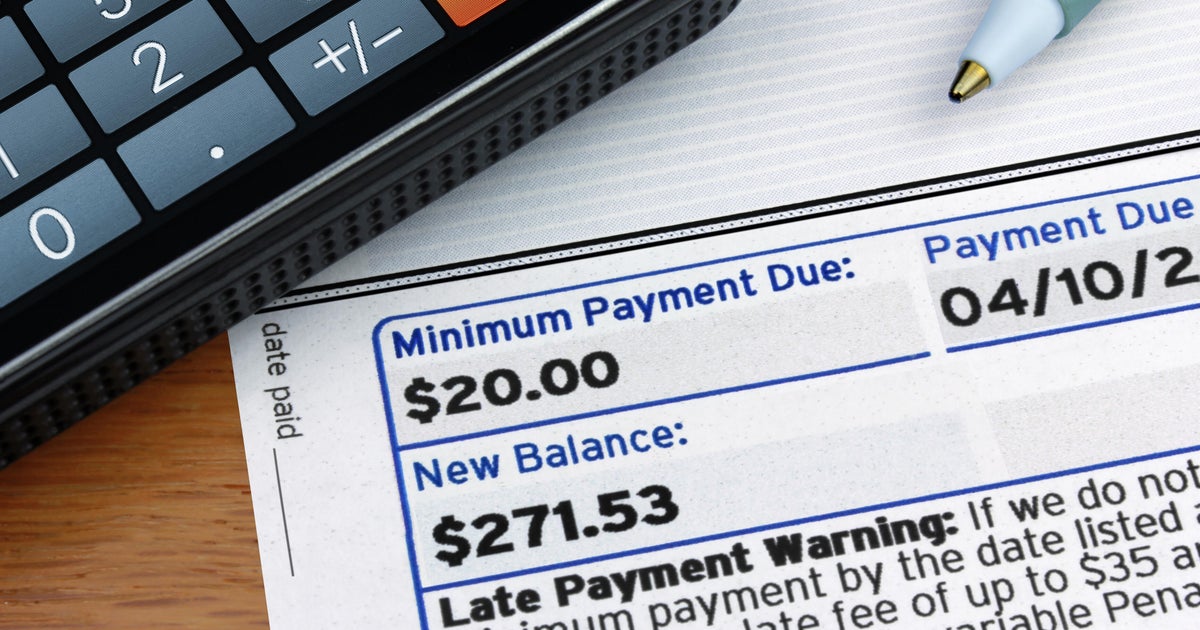
Credit card issuers classify payments that fall below the required minimum amount as late, even if a cardholder makes a partial payment. According to industry practices, failing to meet the full minimum payment by the deadline can result in late fees and increased interest charges on the remaining balance. While a partial payment reduces the total amount owed, it does not satisfy the monthly obligation or prevent the account from being marked as delinquent.
The impact of underpaying a credit card bill includes potential financial penalties and changes to account terms. Cardholders may lose promotional annual percentage rates (APR) or be subject to a penalty APR on new purchases. Interest continues to accrue on the unpaid portion of the balance, and if an account remains unpaid for 30 days past the due date, issuers may report the delinquency to credit bureaus, which can lower a consumer's credit score.
Continued failure to meet minimum payment requirements can lead to account closure, debt collection activity, or a charge-off, which occurs when a creditor writes off the debt as unlikely to be collected. Partial payments do not reset the timeline for these actions. To avoid further delinquency, cardholders must generally bring the account current by paying the full amount required by the issuer.
Cardholders who cannot meet their obligations may experience a decline in credit scores after 30 days of delinquency. A lower credit score can make it more difficult or more expensive for a person to secure future loans, housing, or insurance. For those facing long-term financial difficulty, reported options include contacting issuers directly for hardship programs, which may temporarily reduce interest rates or modify payment terms.
The effects of missing minimum payments include the potential for debt settlement or consolidation. Debt management plans through credit counseling agencies can restructure payments, while debt settlement involves negotiating to pay less than the total owed. However, settlement is not guaranteed and carries its own financial risks. Cardholders are encouraged to contact their issuers as soon as they realize they cannot make a payment to explore available assistance programs before delinquency milestones are reached.