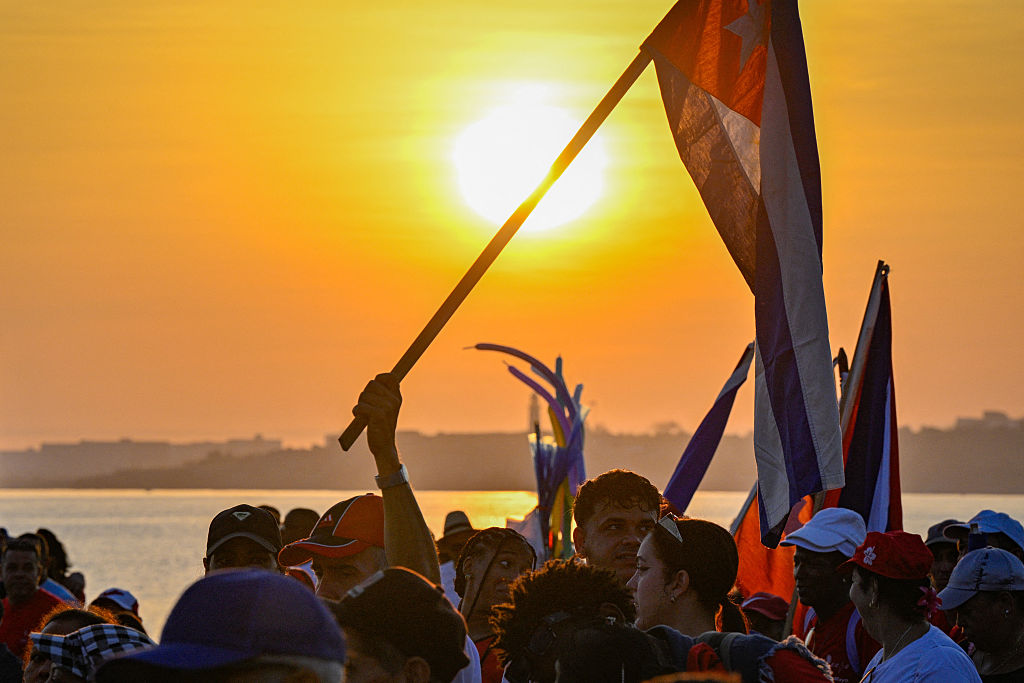
Residents of Cuba report severe shortages of food, water, and electricity following an escalation of U.S. sanctions and a "maximum pressure campaign" by the Trump administration. In early 2026, the Cuban electrical grid failed entirely, leading to nationwide blackouts that have lasted weeks. According to residents, electricity is currently available for only two to three hours per day, often during the night, forcing citizens to cook and wash clothes in the early morning hours.
The current humanitarian situation follows decades of U.S. policy aimed at promoting democracy through economic isolation. The embargo began in 1962 and was tightened by the 1996 Helms-Burton Act, which penalizes third-party countries and vessels that trade with the island. In 2021, the U.S. designated Cuba as a state sponsor of terrorism, a move that limits foreign investment by exposing international banks to U.S. fines.
Recent actions have further constrained the island's resources. Approximately six months ago, the Trump administration signed an order imposing additional sanctions. Since that time, only one oil tanker—a Russian vessel in March—has reached Cuba. Former President Donald Trump stated on March 16 that the country was in its "last moments of life," and remarked on March 29 that the nation was a "mess" and would be "next" following a U.S. military operation in Venezuela.
The scale of the economic impact is reflected in the scarcity of basic goods. Subsidized menstrual products and over-the-counter medicines like Advil and Tylenol are largely unavailable through government channels, forcing citizens to turn to private stores they often cannot afford. In the medical sector, the survival rate for childhood cancer is reported to be 15% lower due to the unavailability of chemotherapy drugs. Furthermore, U.S. trade restrictions currently prohibit the sale of any medical equipment containing more than 10% U.S. components, such as ventilators and cardiac catheters, to the island.
The long-term effects include a significant disruption to the education of Cuban children. Schools have closed for summer vacation early or shortened days due to the heat and lack of light, and university admission tests have been canceled. Young professionals, such as tour guides whose income depended on international flights that are no longer arriving, report a total loss of livelihood. With many websites geoblocking Cuban servers, residents are also restricted from accessing international scientific research and biomedical databases. While the U.S. government maintains these policies are intended to pressure the government toward free elections, residents interviewed report that the resulting physical exhaustion and lack of basic needs have made it more difficult for the population to challenge the state. No specific end date for the current sanctions or the blackout has been reported.