Hospitals across Cuba are suspending non-emergency surgeries and struggling to maintain life-support equipment as a deepening fuel and electricity crisis affects the national healthcare system. United Nations officials from the Office for the Coordination of Humanitarian Affairs (OCHA) and the World Health Organization (WHO) reported on May 15, 2026, that medical facilities are facing blackouts lasting up to 20 hours. These outages, combined with severe shortages of fuel and medicine, have disrupted emergency care, blood banks, and maternal health services.
The current crisis follows a series of geopolitical and economic events, including the removal of Venezuelan President Nicolás Maduro on January 3, 2026, which halted Cuba's primary oil supply. This was compounded by U.S. executive orders in January and May 2026 that threatened tariffs and imposed sanctions on countries or banks facilitating oil shipments to the island. While U.S. officials state these policies target the Cuban government and include exemptions for food and medicine, Cuban officials and UN experts describe the impact as "energy starvation" that prevents the import of critical supplies.
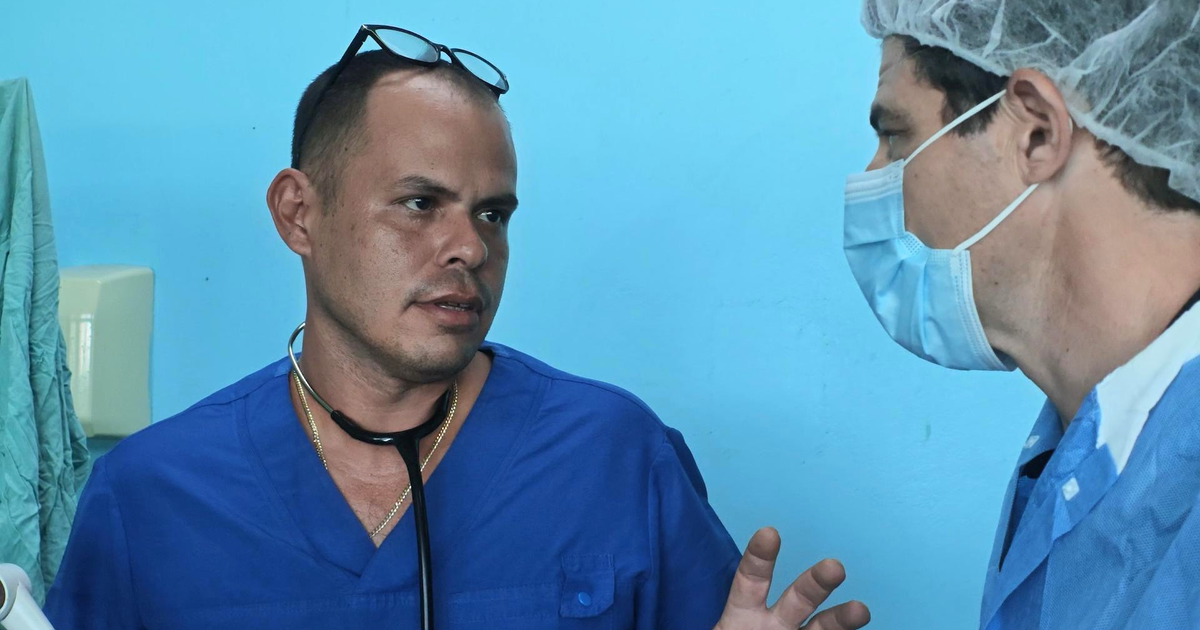
At the William Soler Pediatric Hospital in Havana, doctors reported using cellphones for light during surgeries when generators failed and manually pumping oxygen for patients on ventilators. Dr. Alejandro Chong, head of the ICU, noted that specialized infant formulas from the U.S. are unavailable, forcing staff to use preparations made from chicken and malanga, a starchy root. UN officials reported that more than 100,000 patients, including 11,000 children, are currently on waiting lists for surgeries delayed by the crisis.
The humanitarian impact extends to chronic disease management and maternal care. Approximately 5 million people with chronic illnesses face treatment interruptions, including 12,000 patients undergoing chemotherapy. The Ministry of Public Health reported in February 2026 that 32,880 pregnant women were at increased risk due to lack of transportation and electricity for diagnostics. Additionally, 80% of the 401 essential medicines produced domestically in Cuba are currently below required stock levels, with many only available through informal markets at prices exceeding state salaries.
A person in Cuba currently faces daily power outages of up to 20 hours, which directly impacts their ability to access refrigerated medicines, clean water, and timely emergency services. The loss of fuel has grounded international flights and stranded dozens of medical supply containers at ports. These conditions follow a period of significant demographic change, as an estimated 2.5 million people—roughly 24% of the population—fled the island between 2020 and 2024. The healthcare workforce has also been reduced as doctors, facing low wages, have either left the country or taken second jobs, such as running food stands or working as radio announcers, to survive.
The situation has created a precedent where secondary sanctions and banking restrictions have led to supplier "overcompliance," effectively blocking medical goods that are legally exempt from the U.S. embargo. UN officials have called for $94.1 million in emergency aid to prevent further loss of life. What happens next depends on potential shifts in U.S. policy or the discovery of new energy sources, as Cuba's Minister of Energy and Mines, Vicente de la O Levy, announced on May 13, 2026, that the country had entirely depleted its diesel and fuel oil reserves. No specific dates for new negotiations between U.S. and Cuban officials have been reported.