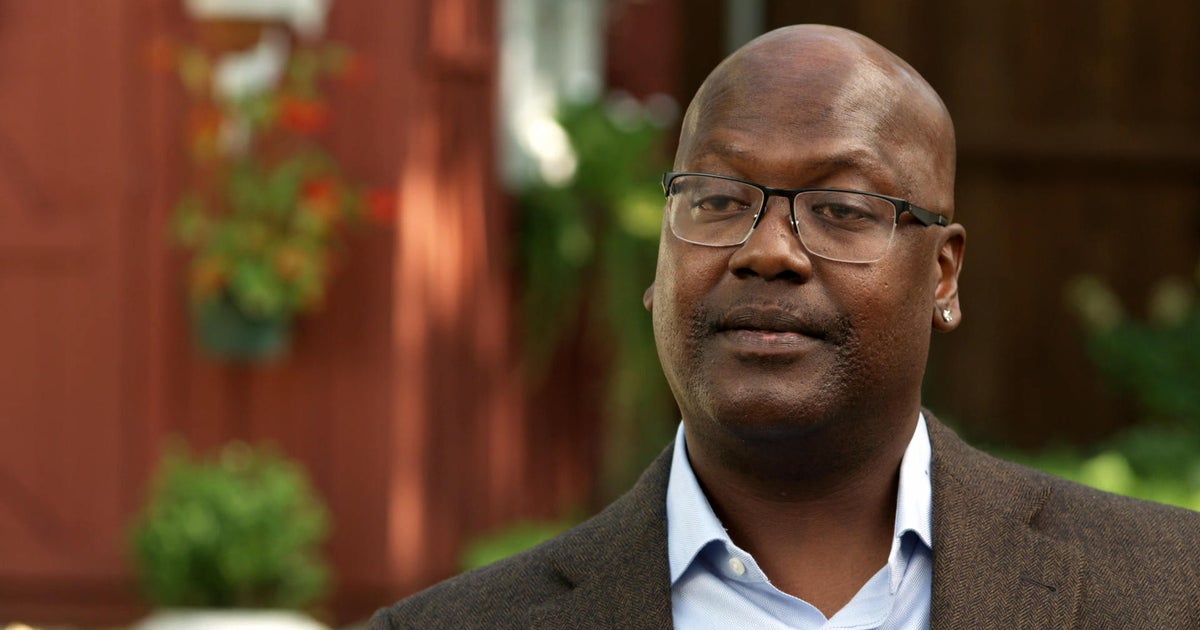
Curtis Flowers, a Mississippi man who was tried six times for the same 1996 murders and spent more than 22 years in prison, died on Wednesday, Oct. 7, 2026. Montgomery County Coroner Allan Pratt confirmed that Flowers was found dead at the age of 56. Attorney Rob McDuff, a member of Flowers' legal team, stated that his family confirmed he died at his home in Mississippi. No cause of death has been released, and the coroner noted that the death is under investigation.
The legal proceedings against Flowers began following the July 1996 deaths of Bertha Tardy, Robert Golden, Carmen Rigby, and Derrick Stewart, who were shot at Tardy Furniture in Winona, Mississippi. Flowers, who had briefly worked at the store, was arrested in January 1997. Over the next two decades, District Attorney Doug Evans prosecuted Flowers six times. These trials resulted in four convictions that were later overturned and two mistrials due to hung juries. Throughout the process, Flowers maintained his innocence.
In 2019, the U.S. Supreme Court overturned Flowers' final conviction, ruling 7-2 that Evans had intentionally excluded Black individuals from the jury. Justice Brett Kavanaugh wrote that the prosecution engaged in a "relentless, determined effort" to remove Black jurors. Following this ruling, the Mississippi Attorney General’s office took over the case after Evans recused himself, eventually moving to dismiss the charges. In September 2020, Circuit Judge Joey Loper dismissed the capital murder charges with prejudice.
This case affected Curtis Flowers, his family, and the legal standing of the Mississippi jury selection process. After spending nearly 23 years in custody, including time on death row, Flowers was released on bail in December 2019. The legal effort involved six separate trials and a successful appeal to the U.S. Supreme Court. In 2021, a court ordered the State of Mississippi to pay Flowers $500,000 under the state's wrongful-incarceration law. This compensation was structured as 10 annual installments of $50,000.
For the public and future defendants, the case addressed racial bias in the American legal system. An investigation by the podcast "In the Dark" analyzed decades of court data, reporting that District Attorney Doug Evans had a history of striking Black jurors at a disproportionate rate. The investigation also led to witnesses recanting their testimony, including one individual who previously claimed Flowers had confessed. These findings contributed to the Supreme Court's decision to vacate the conviction based on violations of constitutional rights during jury selection.
Flowers was first granted bond in late 2019, and the state officially dropped all charges in 2020, citing a lack of evidence to proceed with a seventh trial. The murder weapon was never recovered, and investigators found no DNA or fingerprints linking Flowers to the crime scene. Following his death on Oct. 7, 2026, the Montgomery County coroner has not yet announced a timeline for the completion of the death investigation or the release of autopsy results.